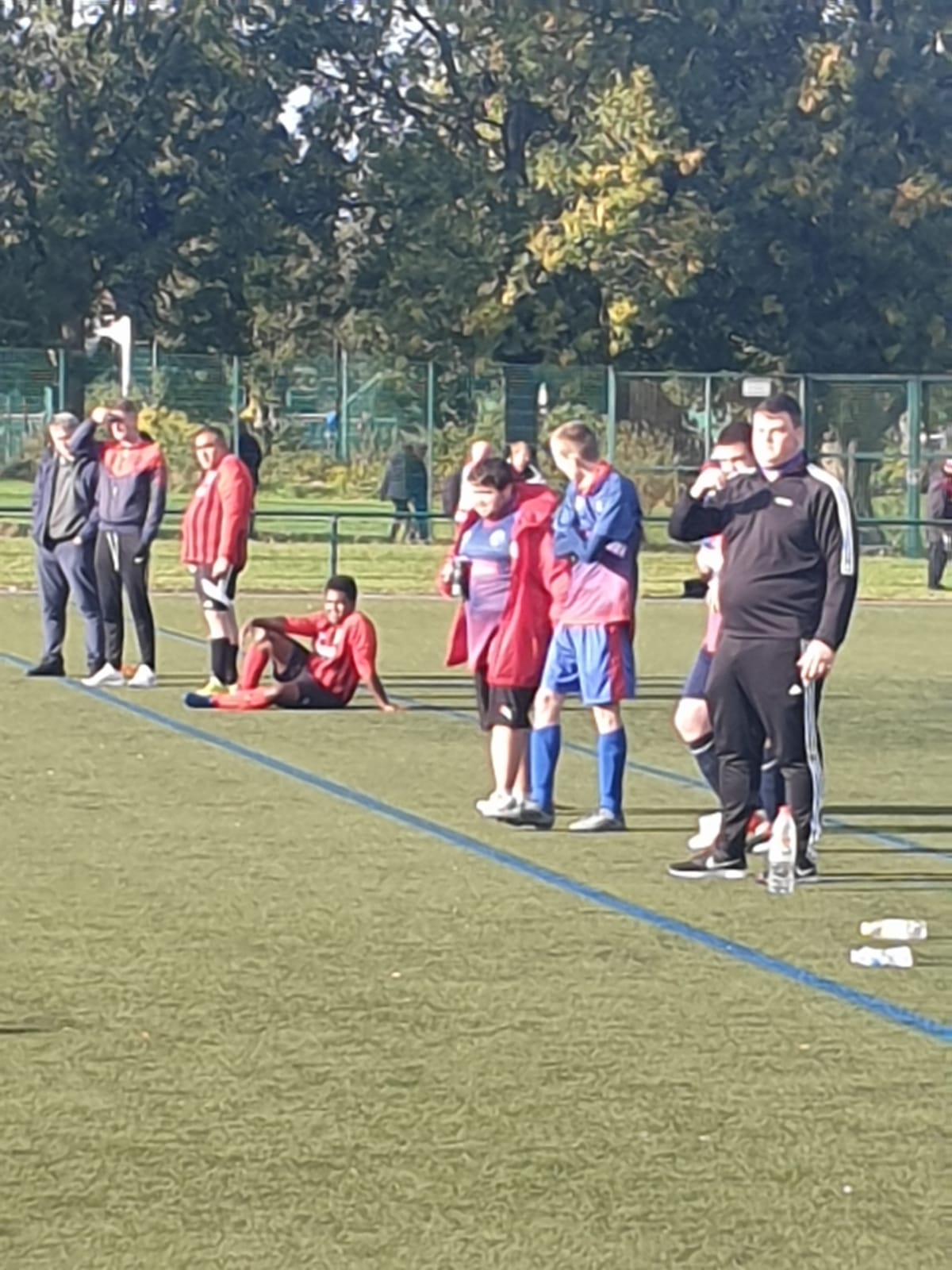
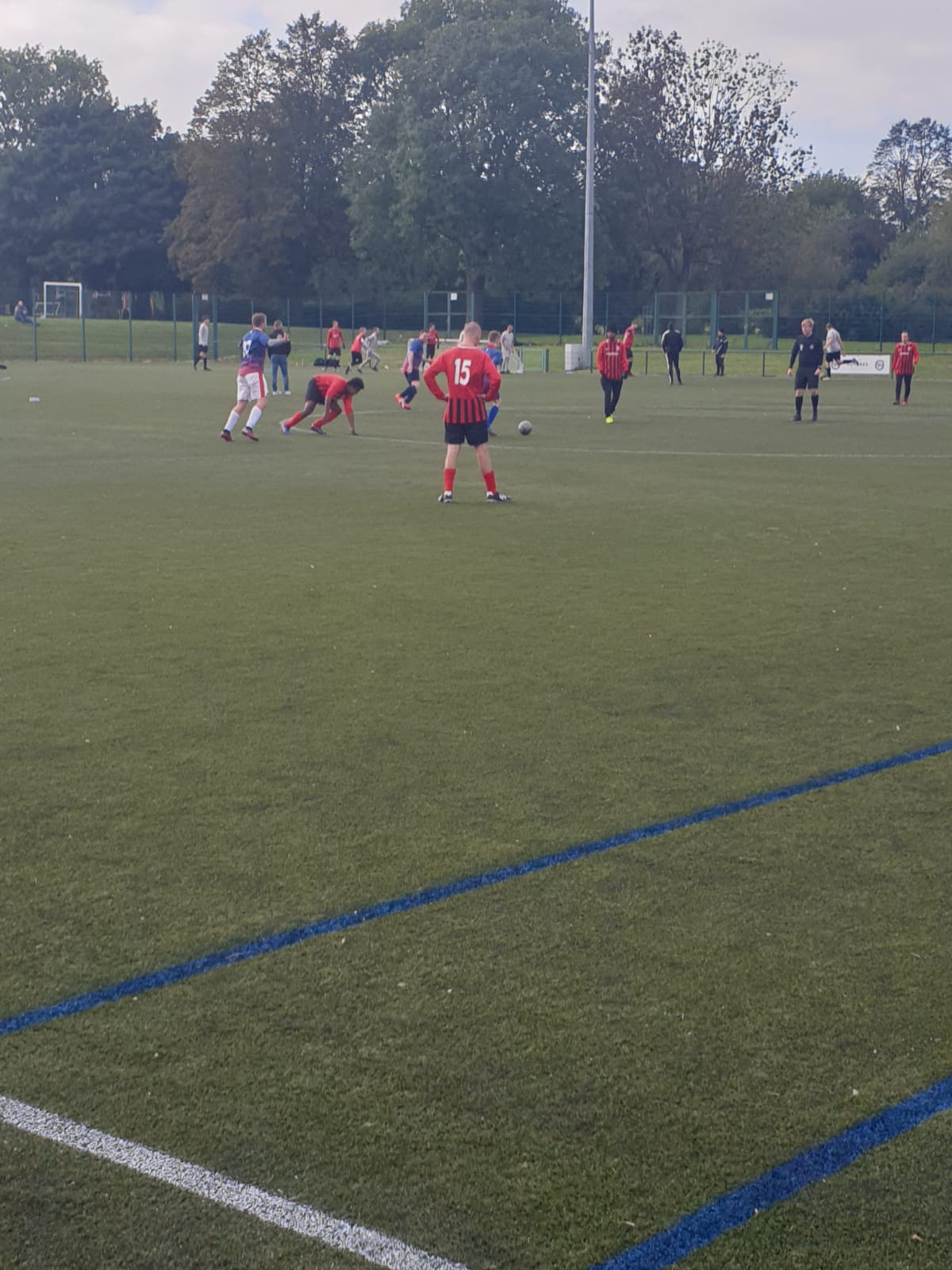
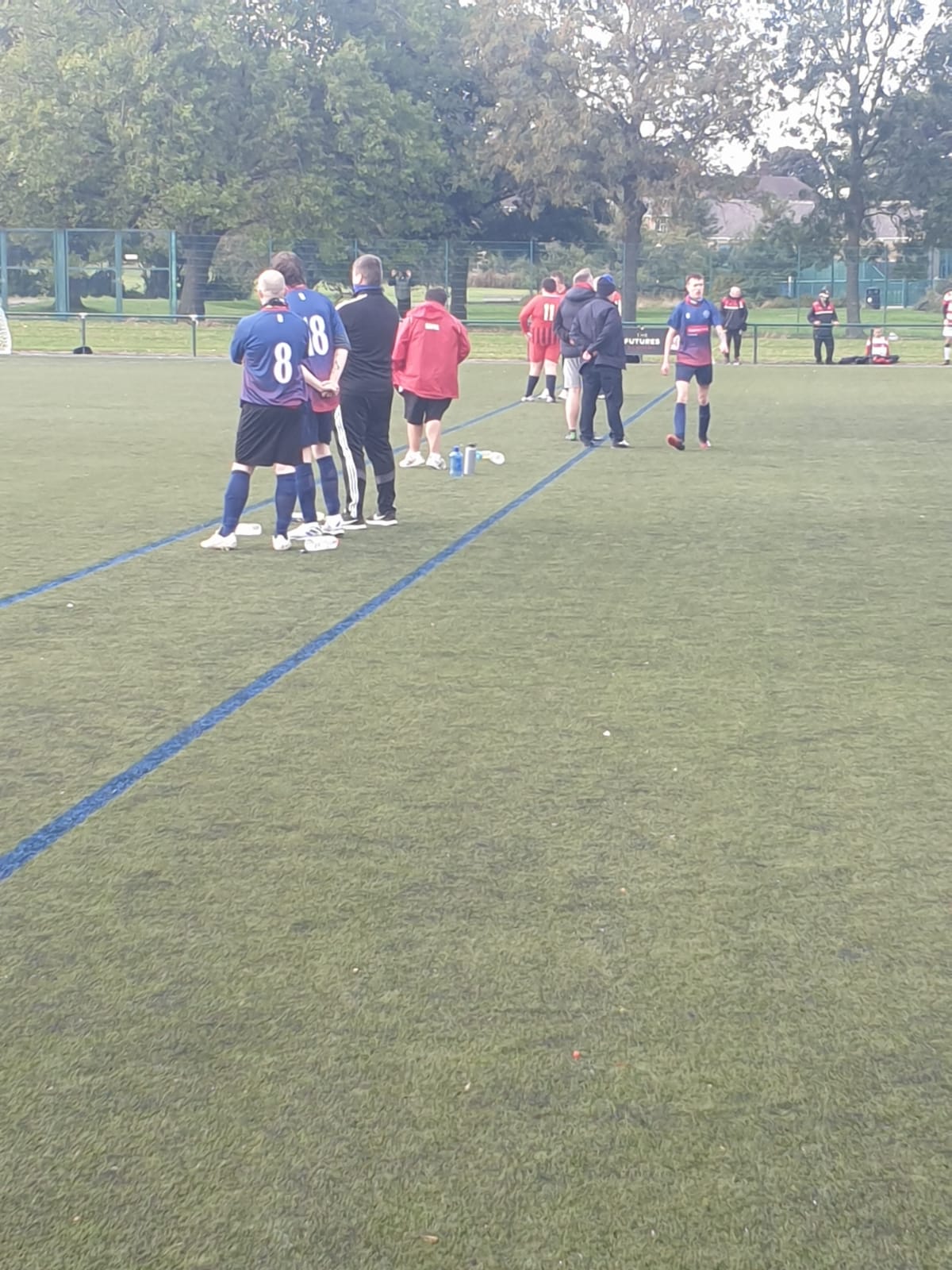
Sharon Lavender is the Secretary and Manager for City Knights FC and when we caught up with Sharon we started by asking for her take on events at Concord Sports Centre on Sunday.
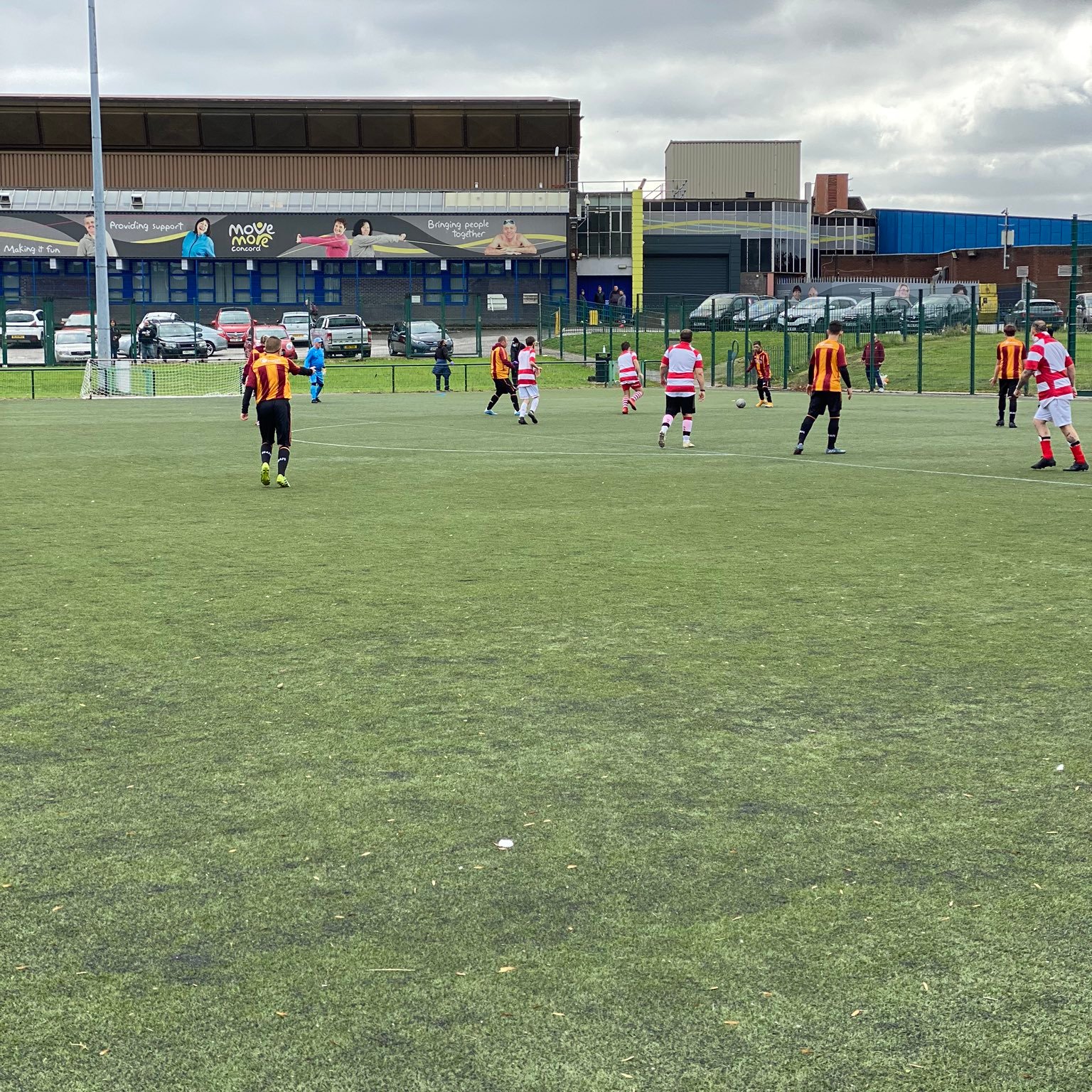
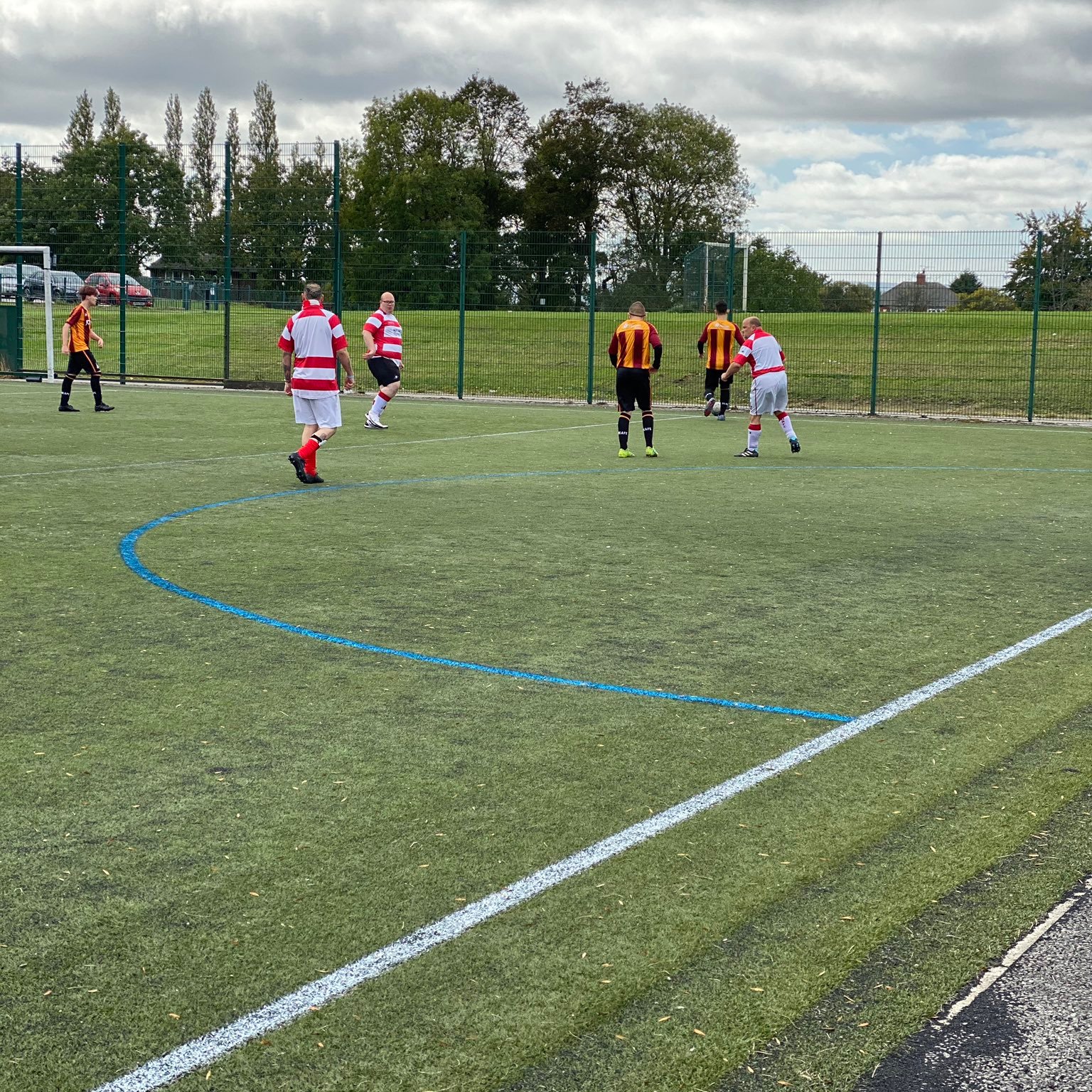
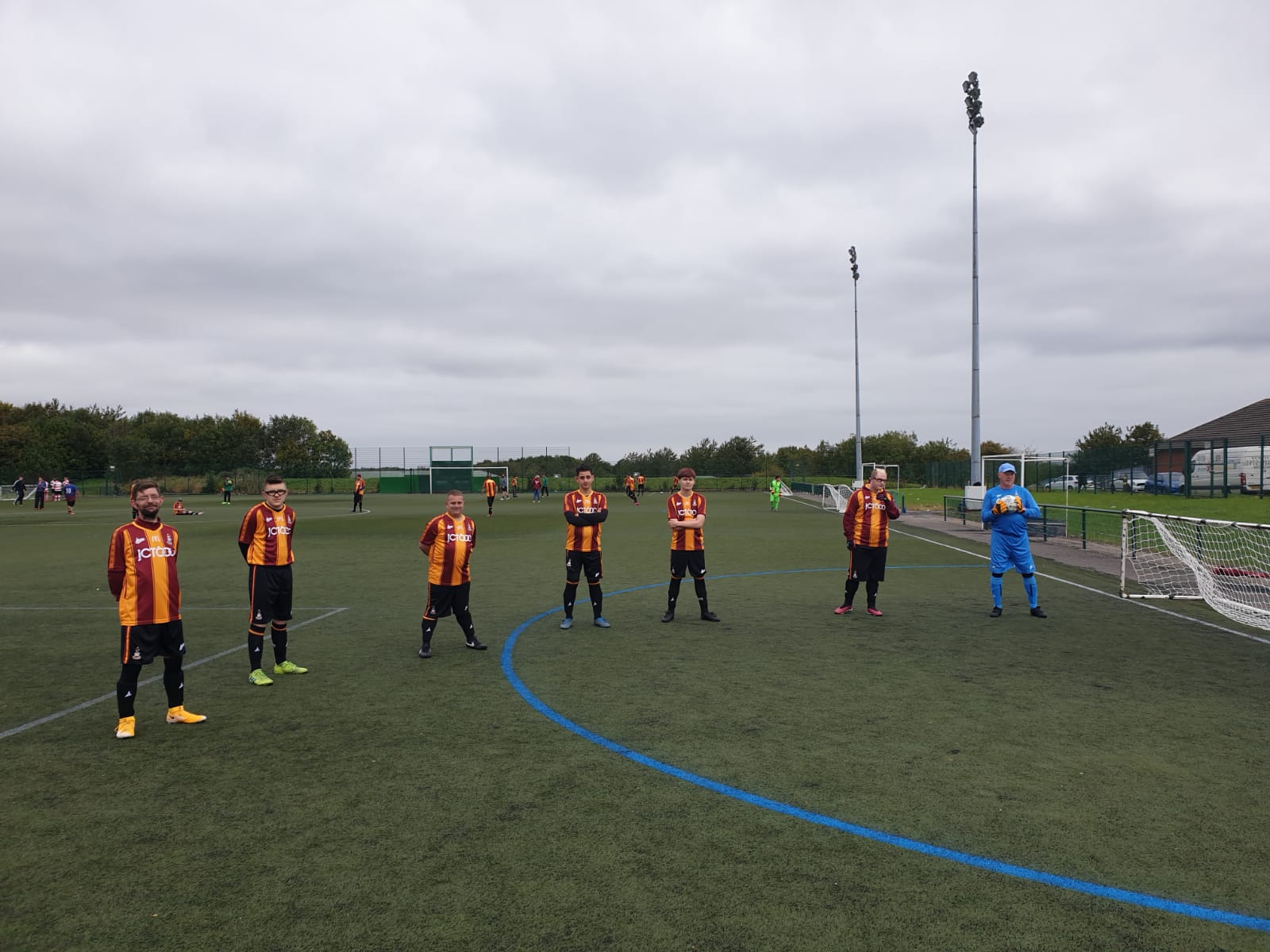
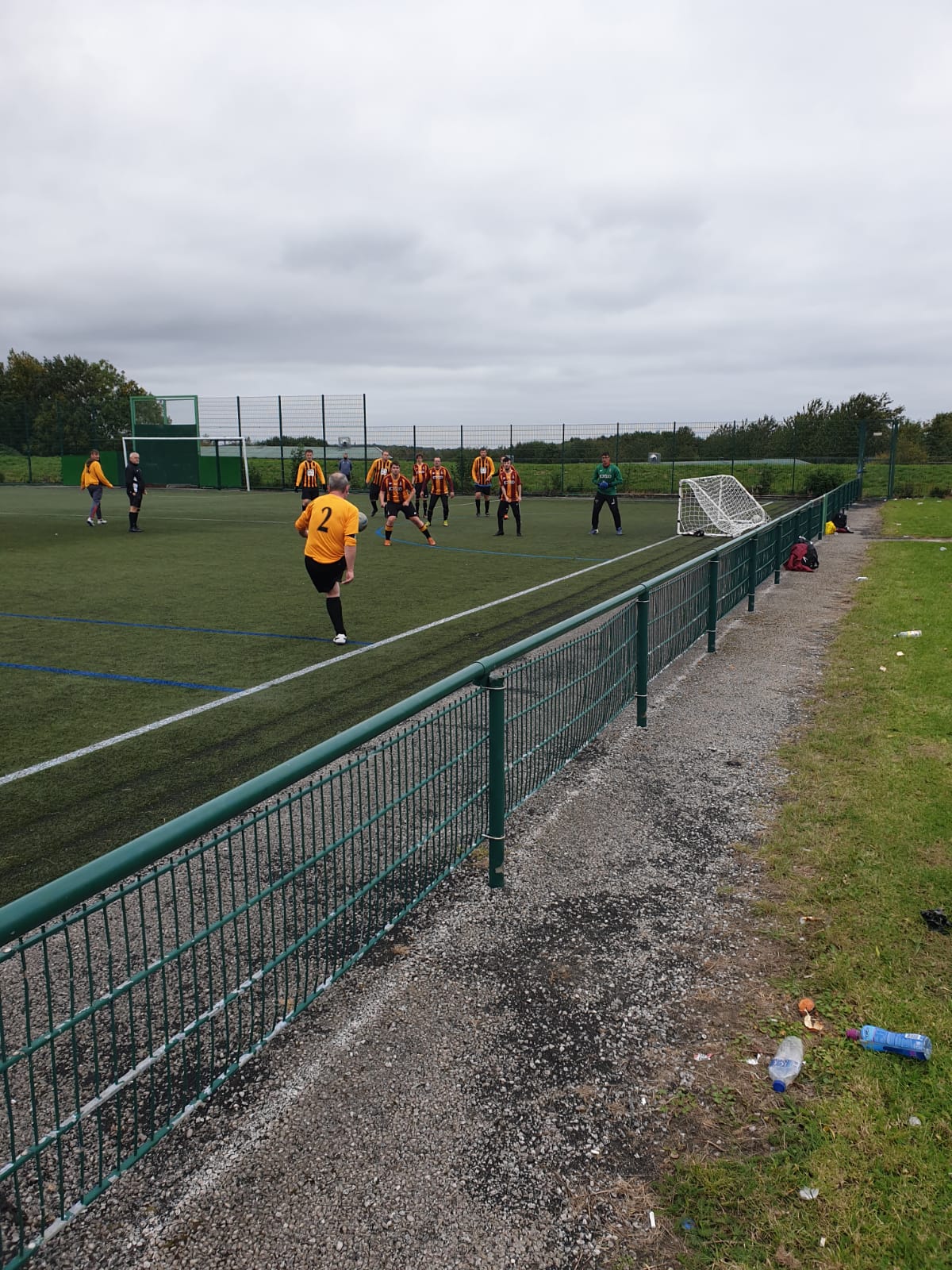
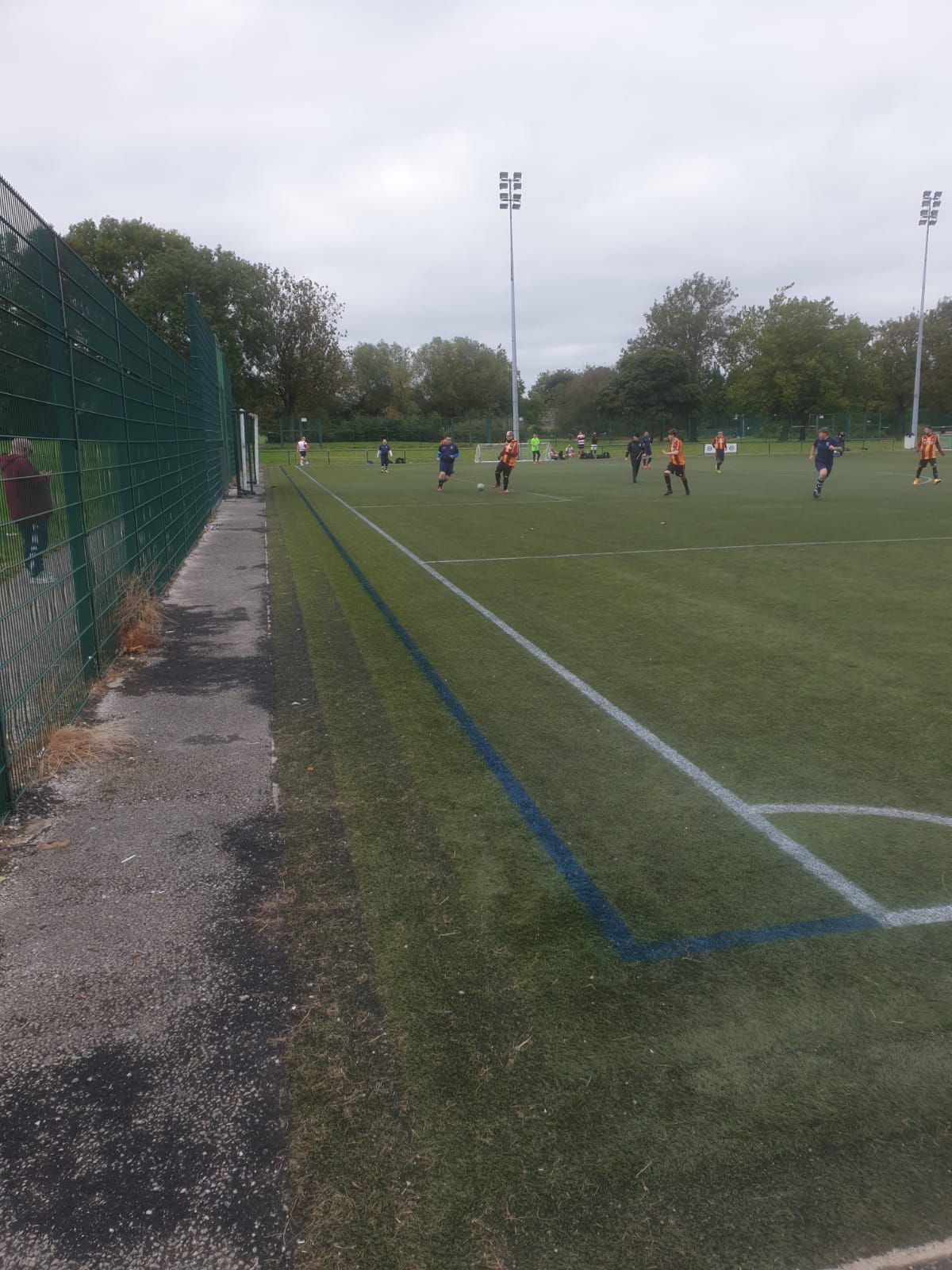
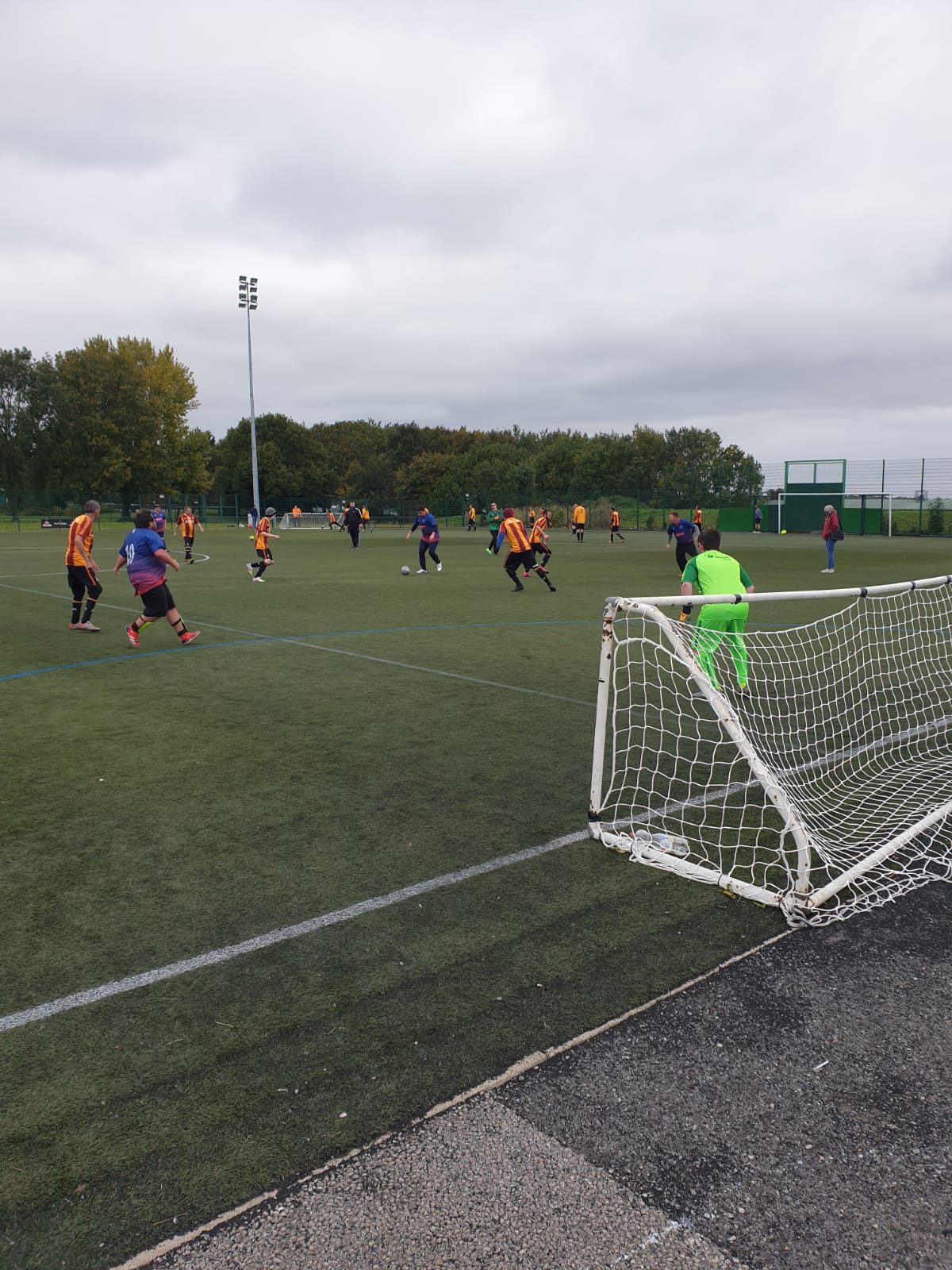
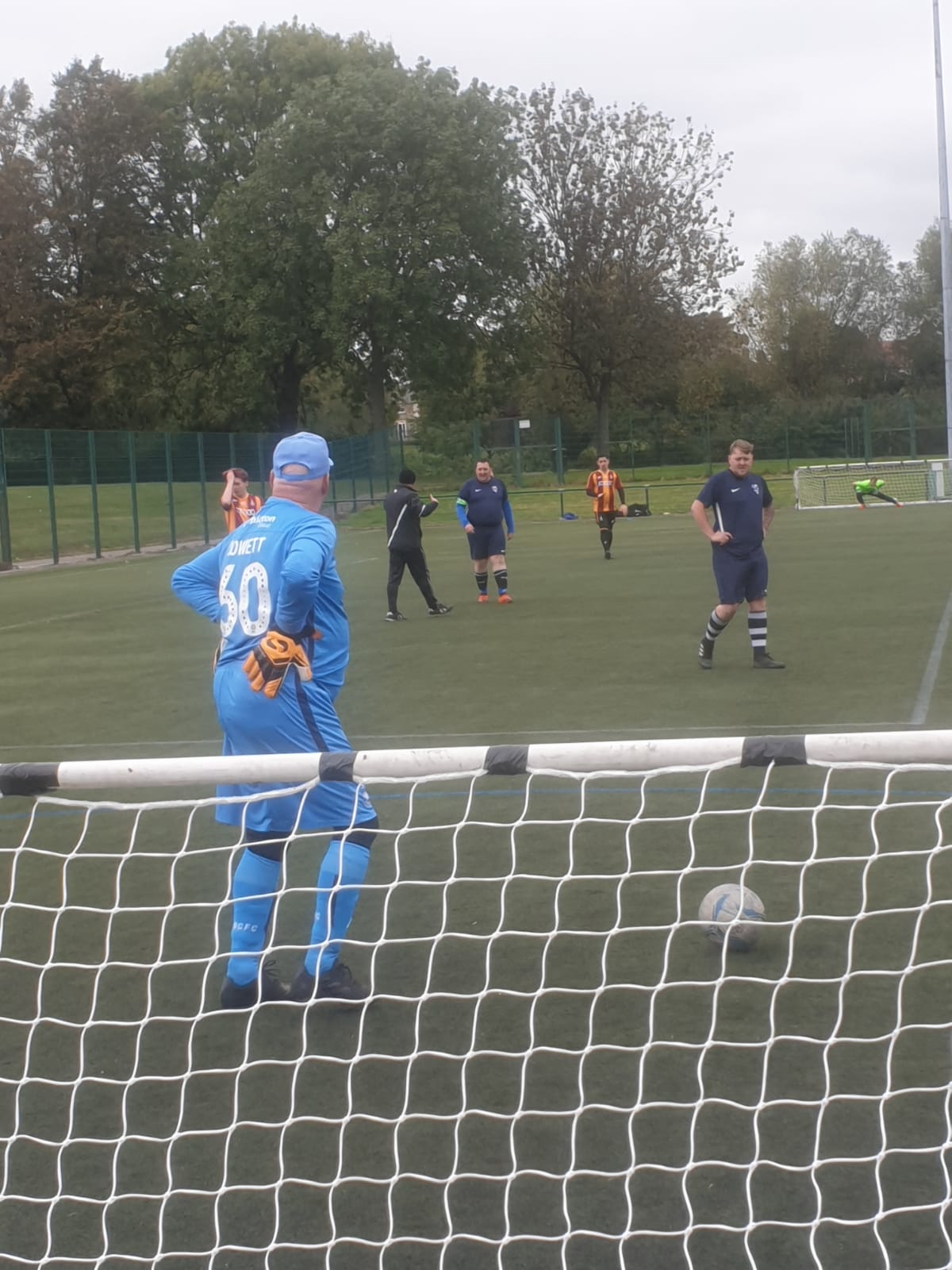
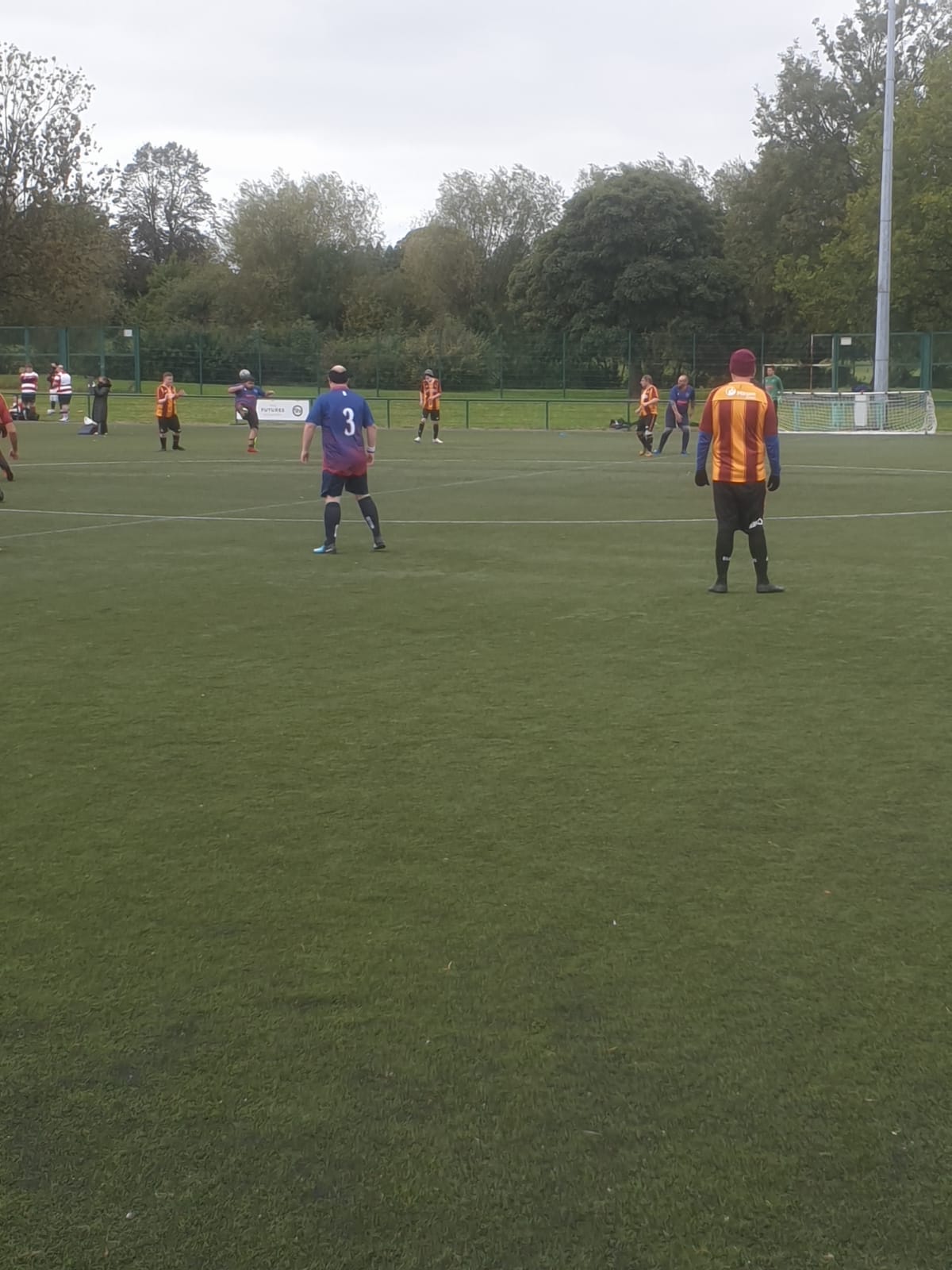
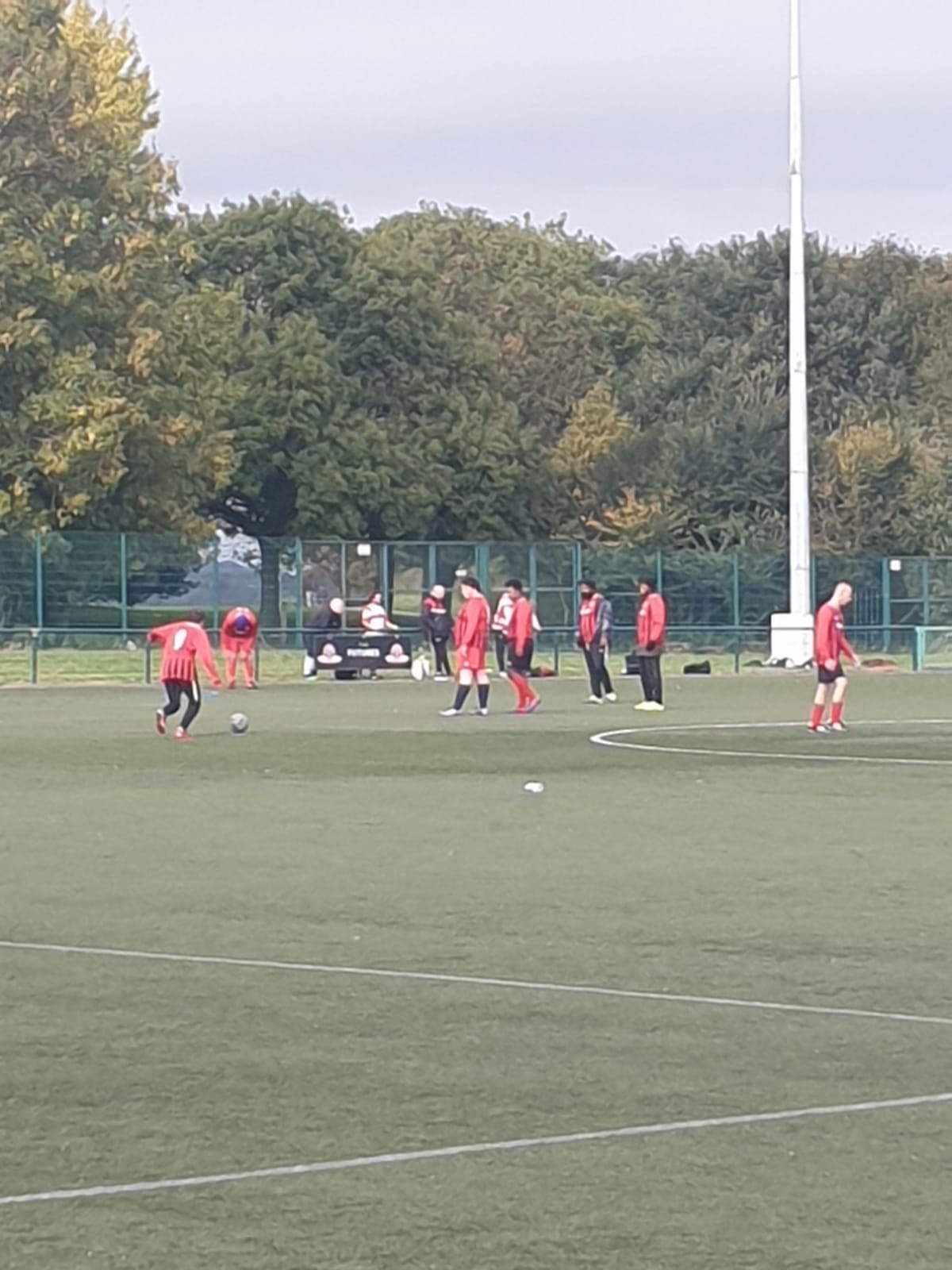
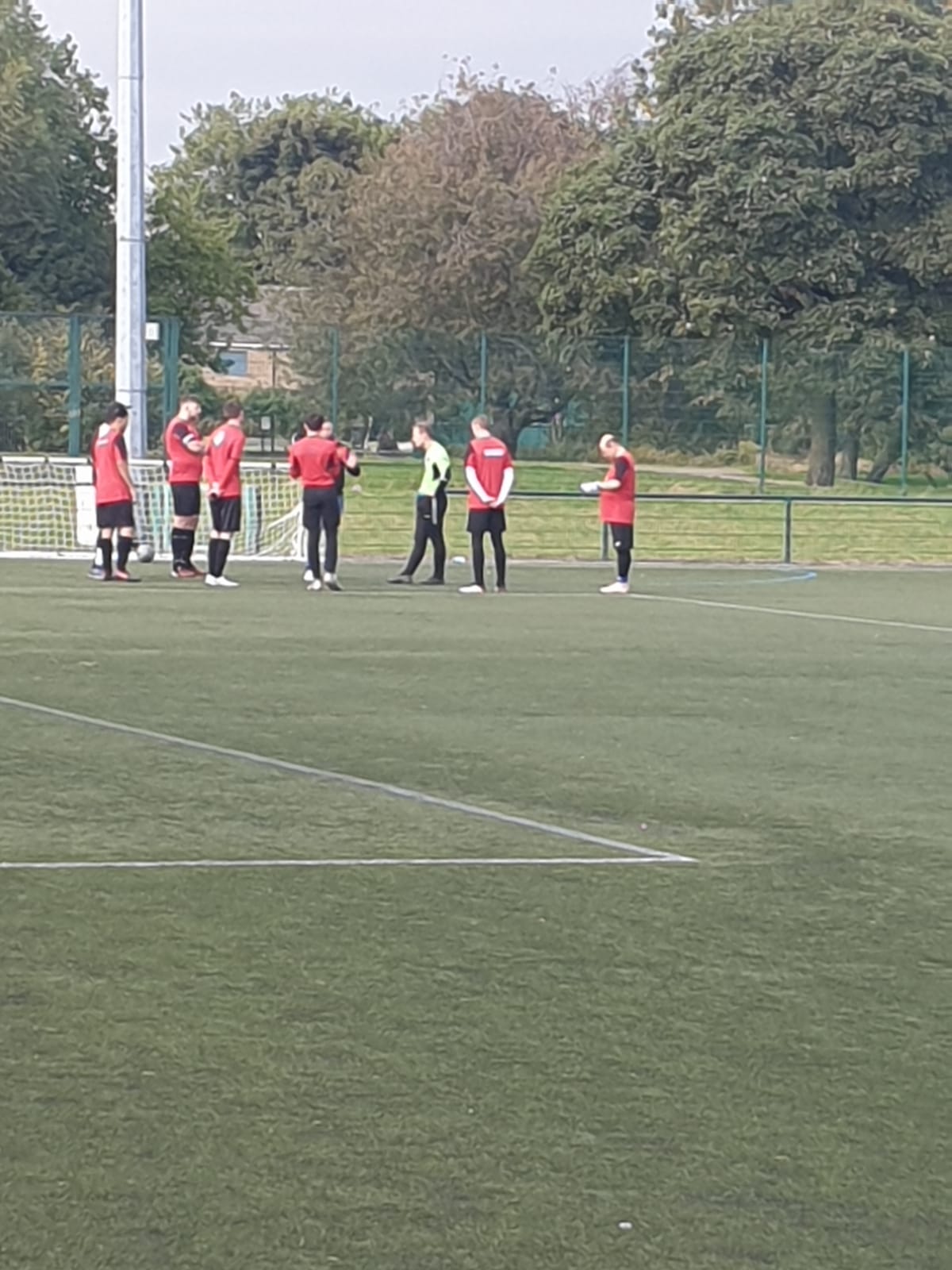
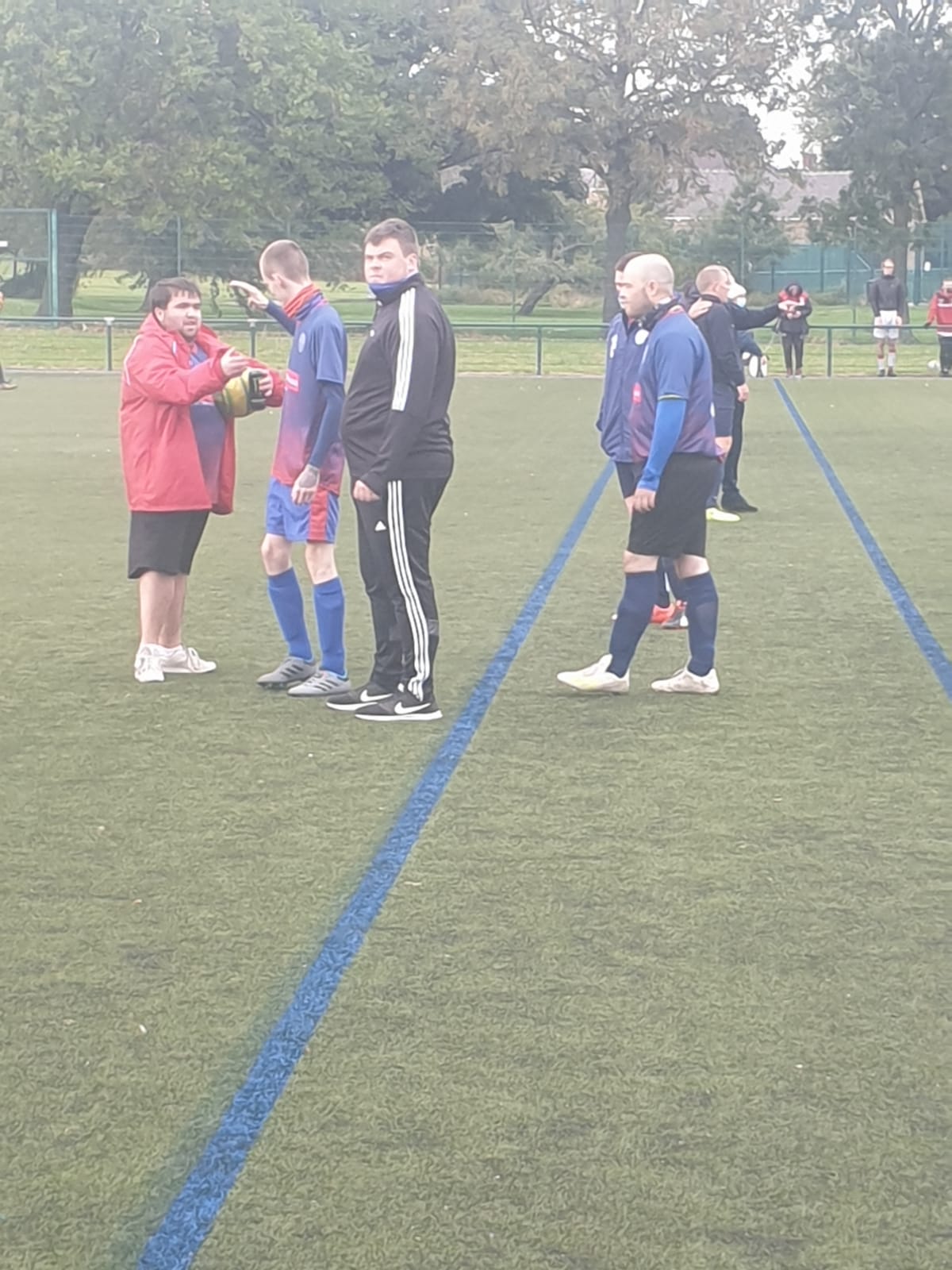
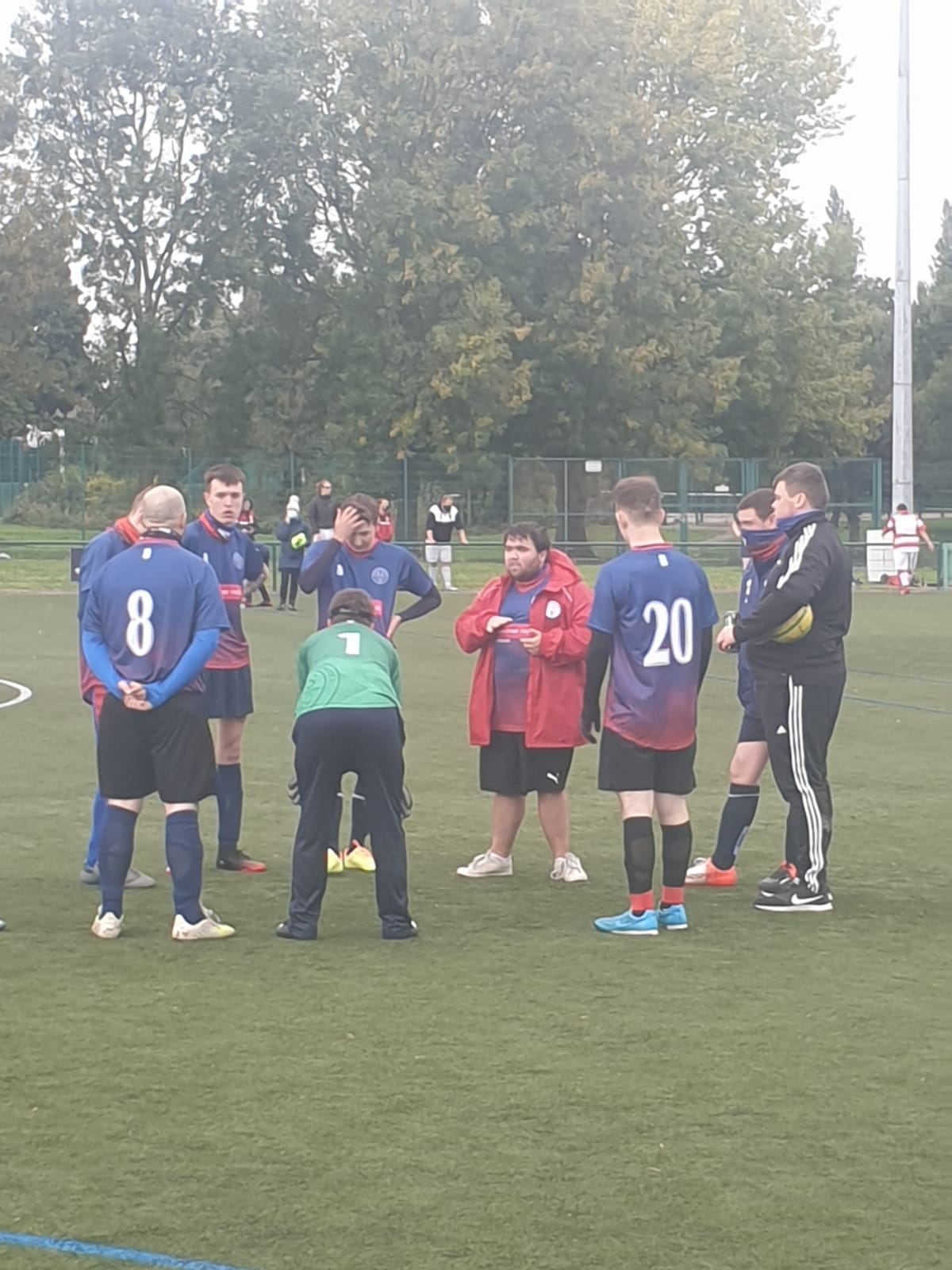
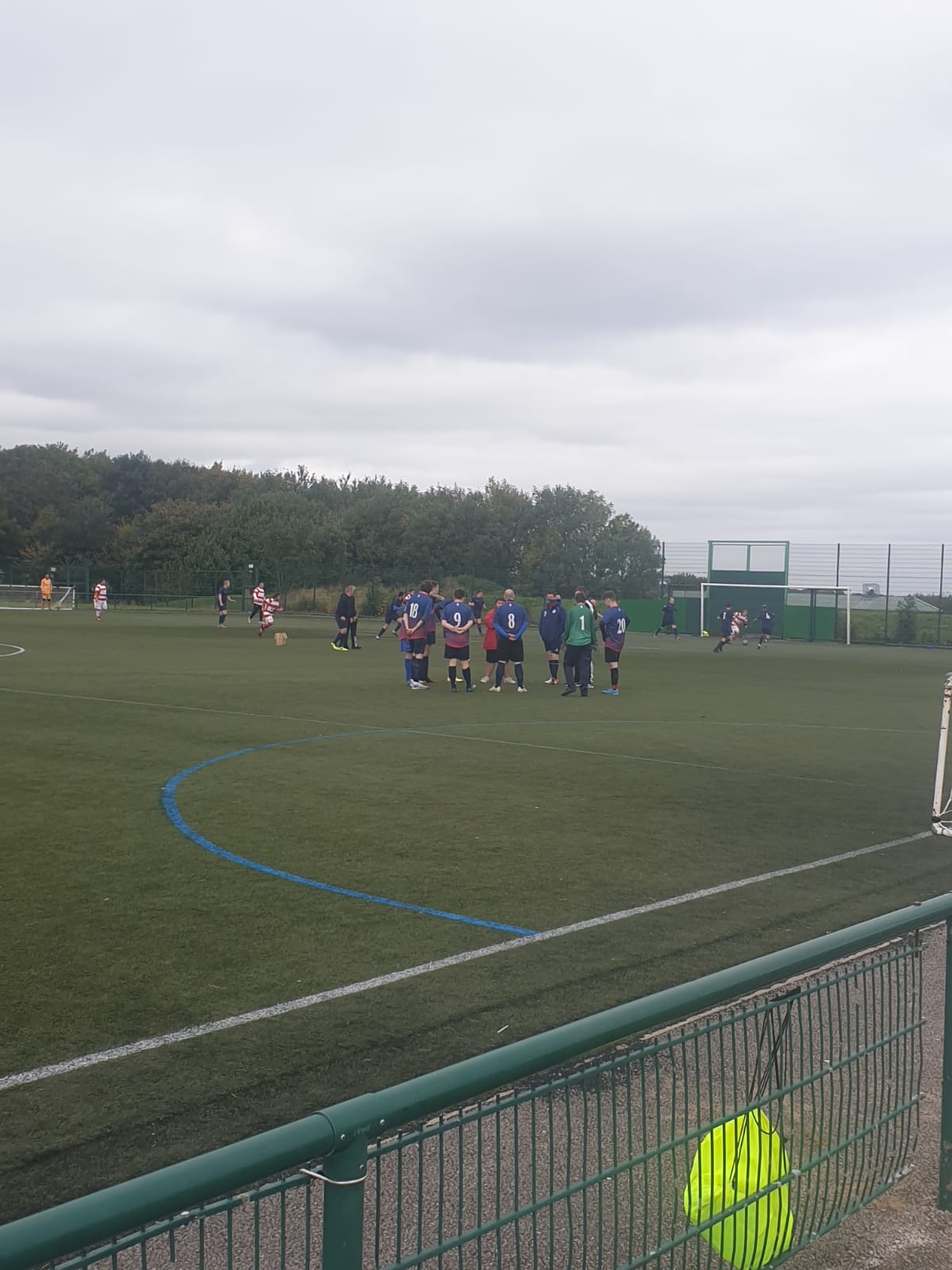
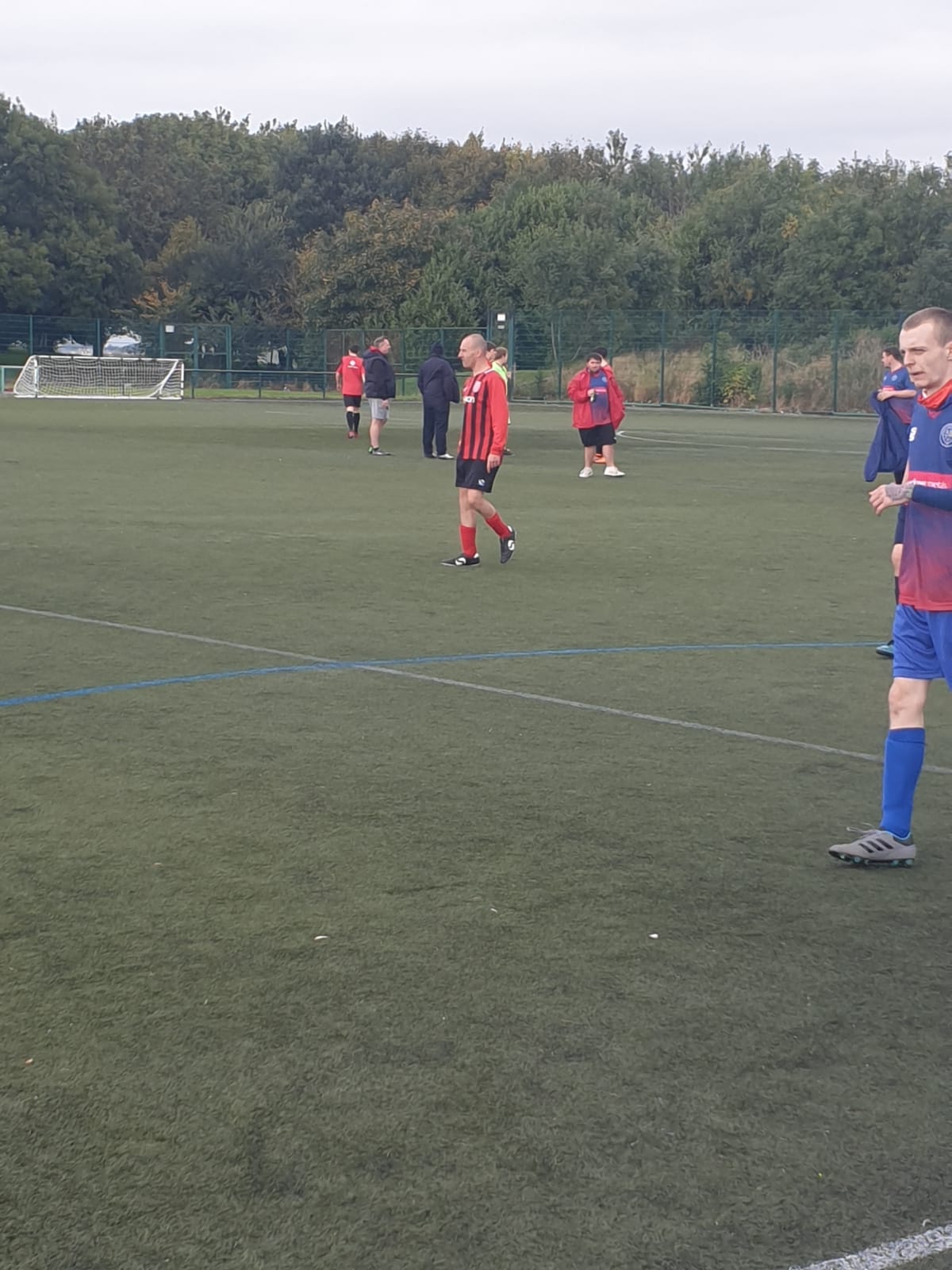
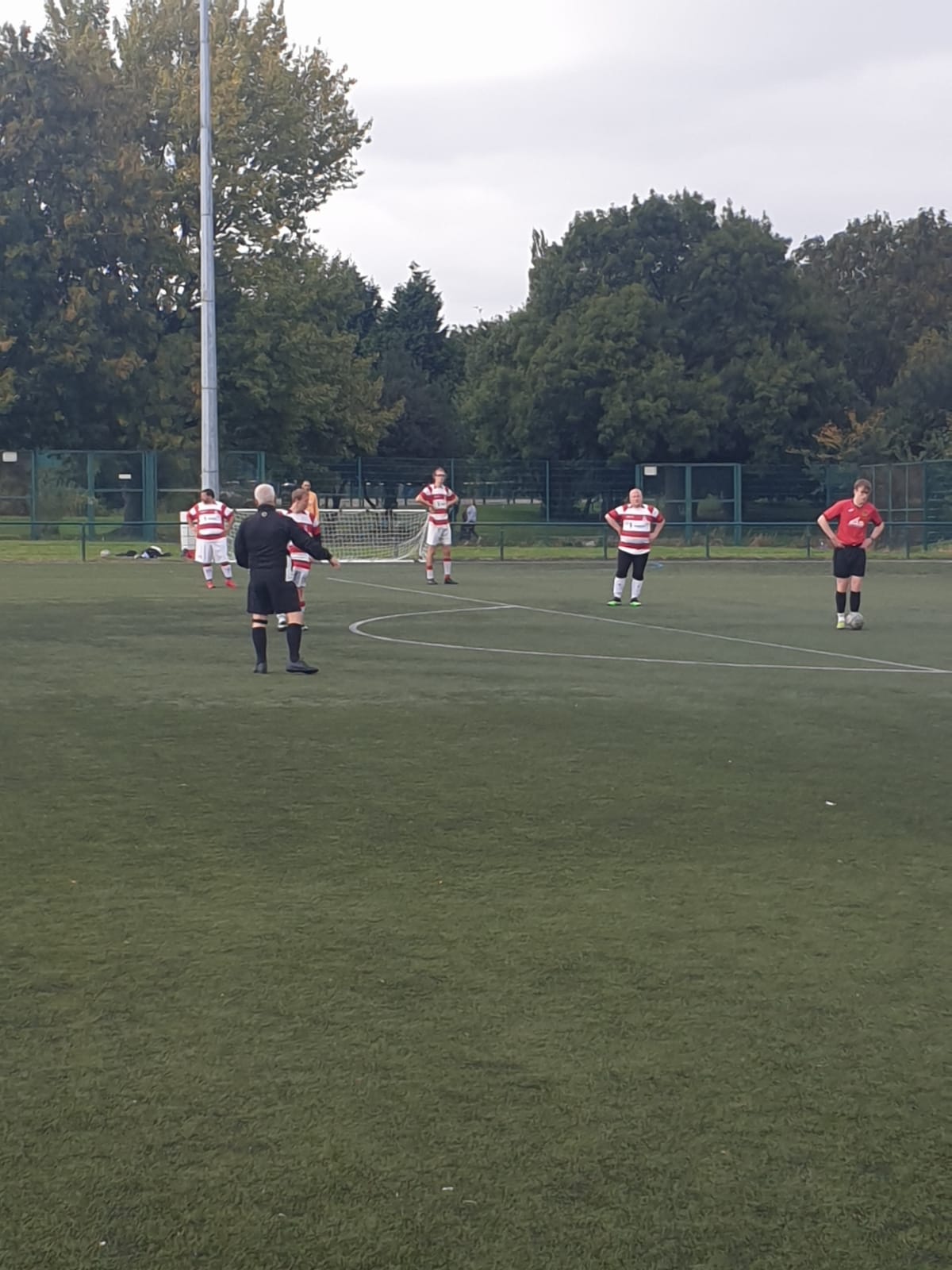
“Our first home match in Division 1 was against Bradford City Claret,” Sharon told the SYACL Website. “The game ended 3-3.
There was a great debut from Grant Chapman and a super hat-trick from Kyle Hancock, with great assists from Warren Foster and Jordan Bratby.”
“It was our first game of the season and we were playing one man down,” Sharon added. “I was really proud of the lads; they showed grit, determination and passion throughout the game. We opened up the score sheet with a great volley from Kyle Hancock and not long after he scored another great goal. Bradford came back and the pressure was on – but the game ended in a draw.”
“Well done to all the lads and thank you to Bradford City Claret for giving us a good game!”
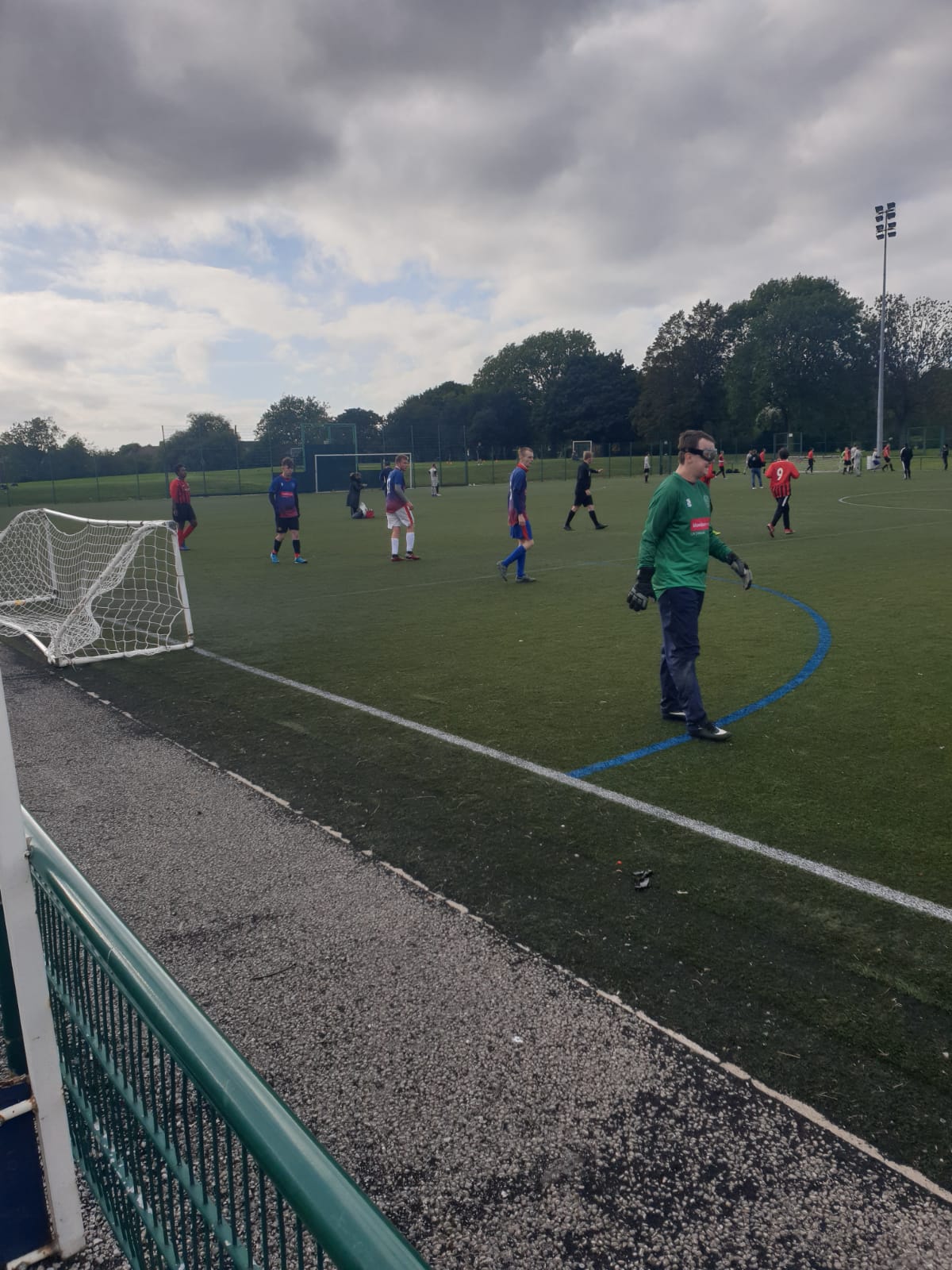
Our Second home game in Division One was against Club Doncaster Titans Red, and this finished 1-1,” Sharon told us. “We started one man down – and later ended up 2 men down due to injury – but Michael from Titans Red was a good sport and removed a player, so we played 6 v 5. Great defending from David Barker and Grant Chapman; Warren Foster held midfield up well and Kyle Hancock and Jordan Bratby were great upfront – they worked so well together, and Jordan Bratby ended up scoring a pearler.”
“It was a great match from all sides. Adam Wyatt made some super saves while he was on the pitch, but due to injury he had to come off. We are so proud of the lads; they kept going, and it was great team work.”
“Thank you to Titans Red for giving us a good game and thank you to Sean for being a great referee.”
Sharon then turned her attention to a winning weekend for Knight’s Premier Division side.
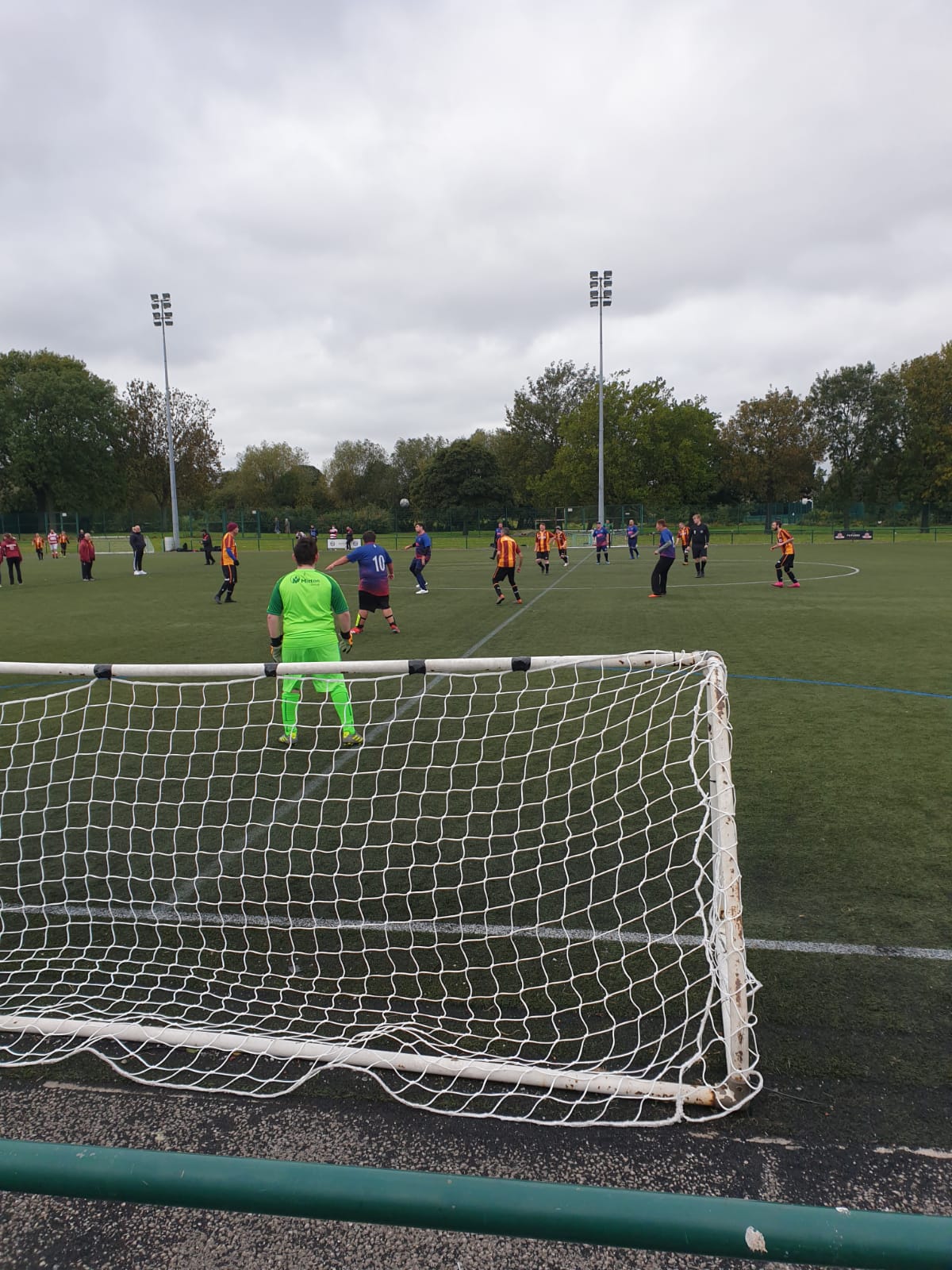
“Our first home match was against Sheffield Black and this finished 1-1,” she told us. “Well done to Chris Ward and Stephen MacDonald on their debut matches; they played a great game. Chris Senior scored a brilliant goal assisted by Gavin Foster.
We are so proud of the guys; they communicated well together and showed grit and passion and determination on the field, with our goal keeper Michael Moxam making some wonderful saves with the game ending up level at 1-1.”
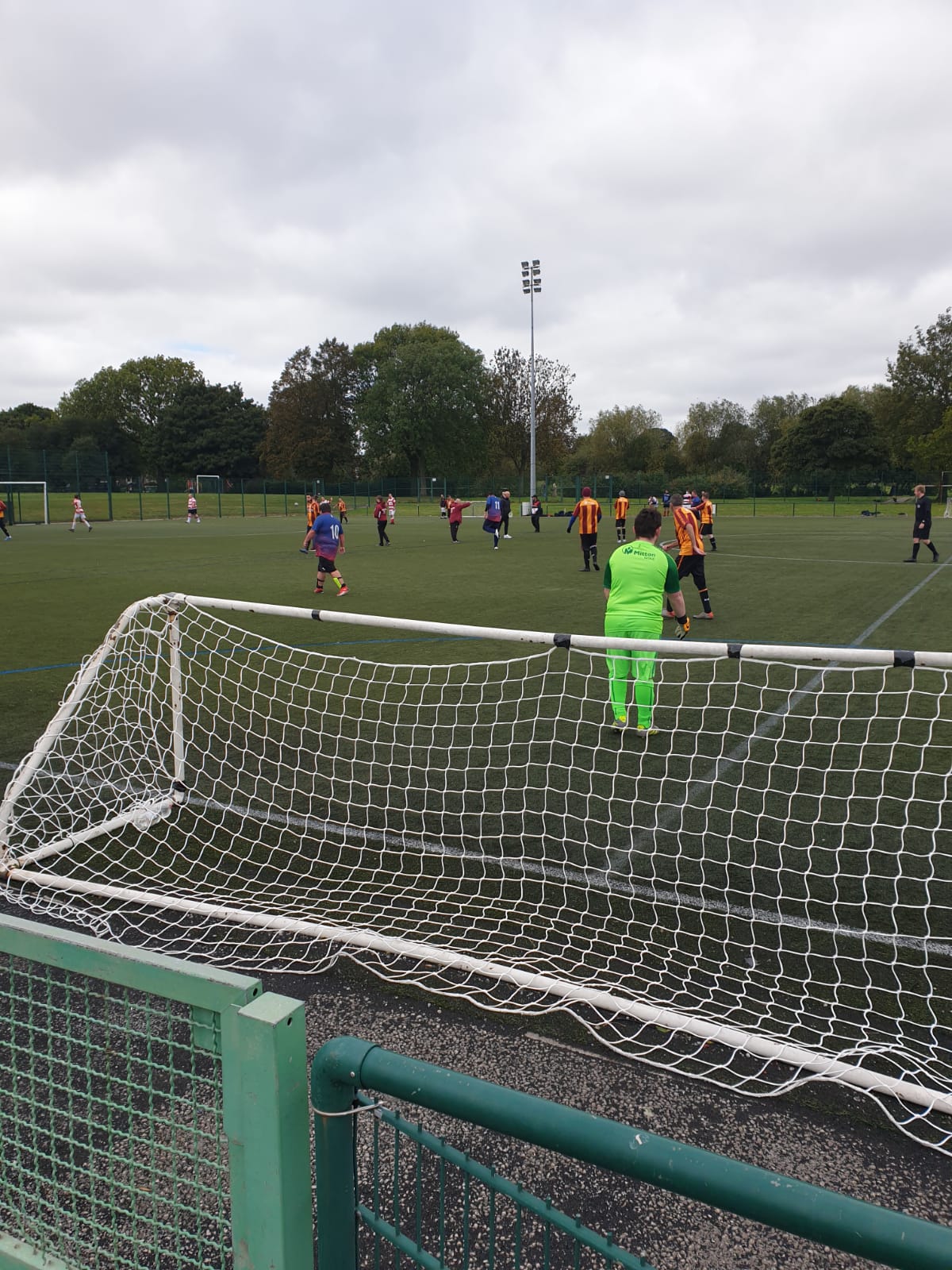
“In our second match away to Sheffield Black, we put the pressure on from the start,” Sharon told us. “We opened the score sheet through a great goal from Steven Gould, assisted by Gavin Foster.”
“In the second half, Sheffield Blacks equalised – followed shortly by Dan Purdy smashing one in the net assisted by Steven Gould.”
Great control and speed from Gavin Foster and Dan Purdy; Steven Gould was solid in defence with Chris Ward, and Steve was a great Captain. Wonderful support from Stephen MacDonald, super saves from Michael Moxam.
We are proud of our guys abilities and attitude on the pitch. Well done!
Thank you to Sheffield Blacks for giving us two good matches.
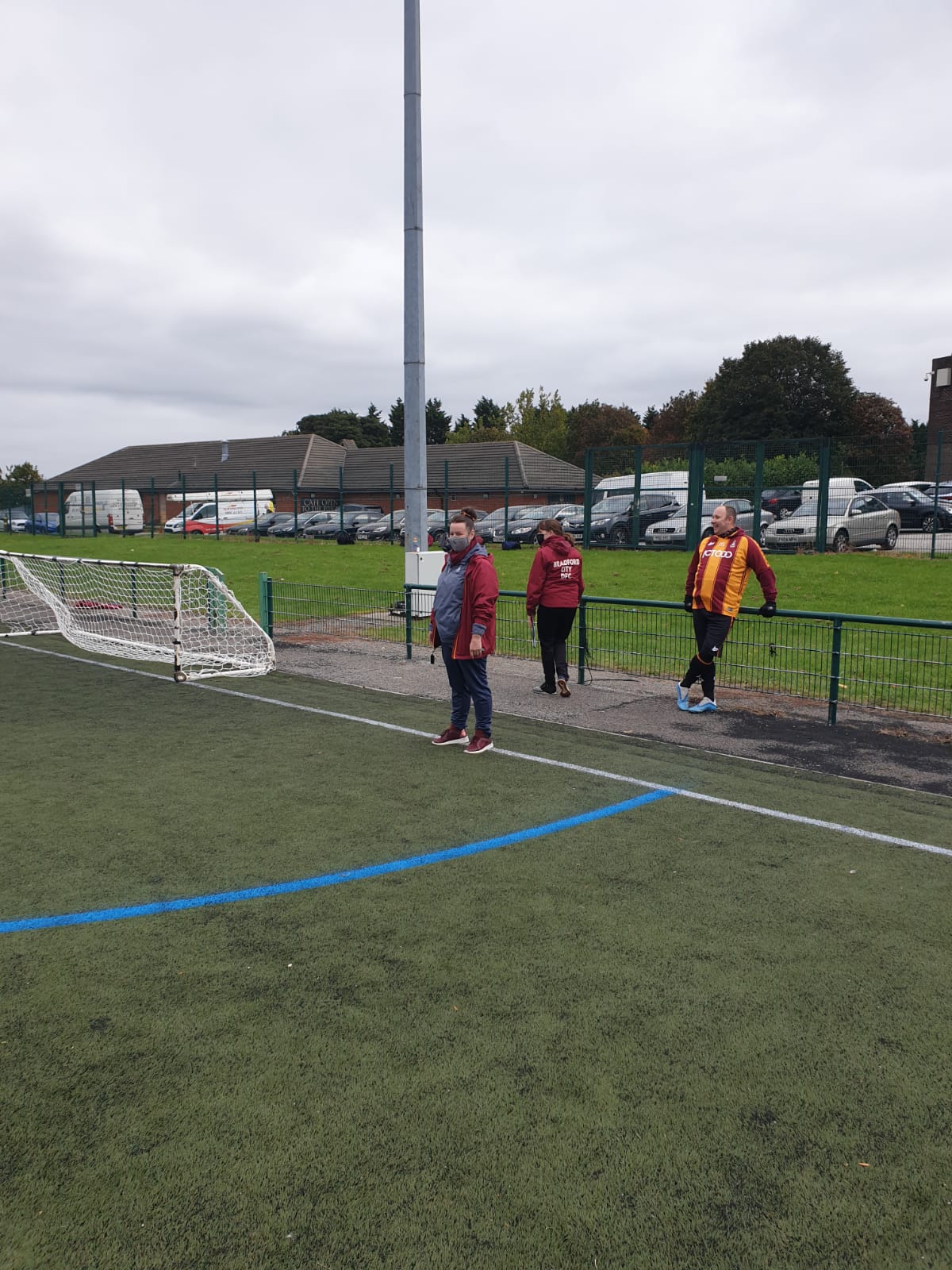
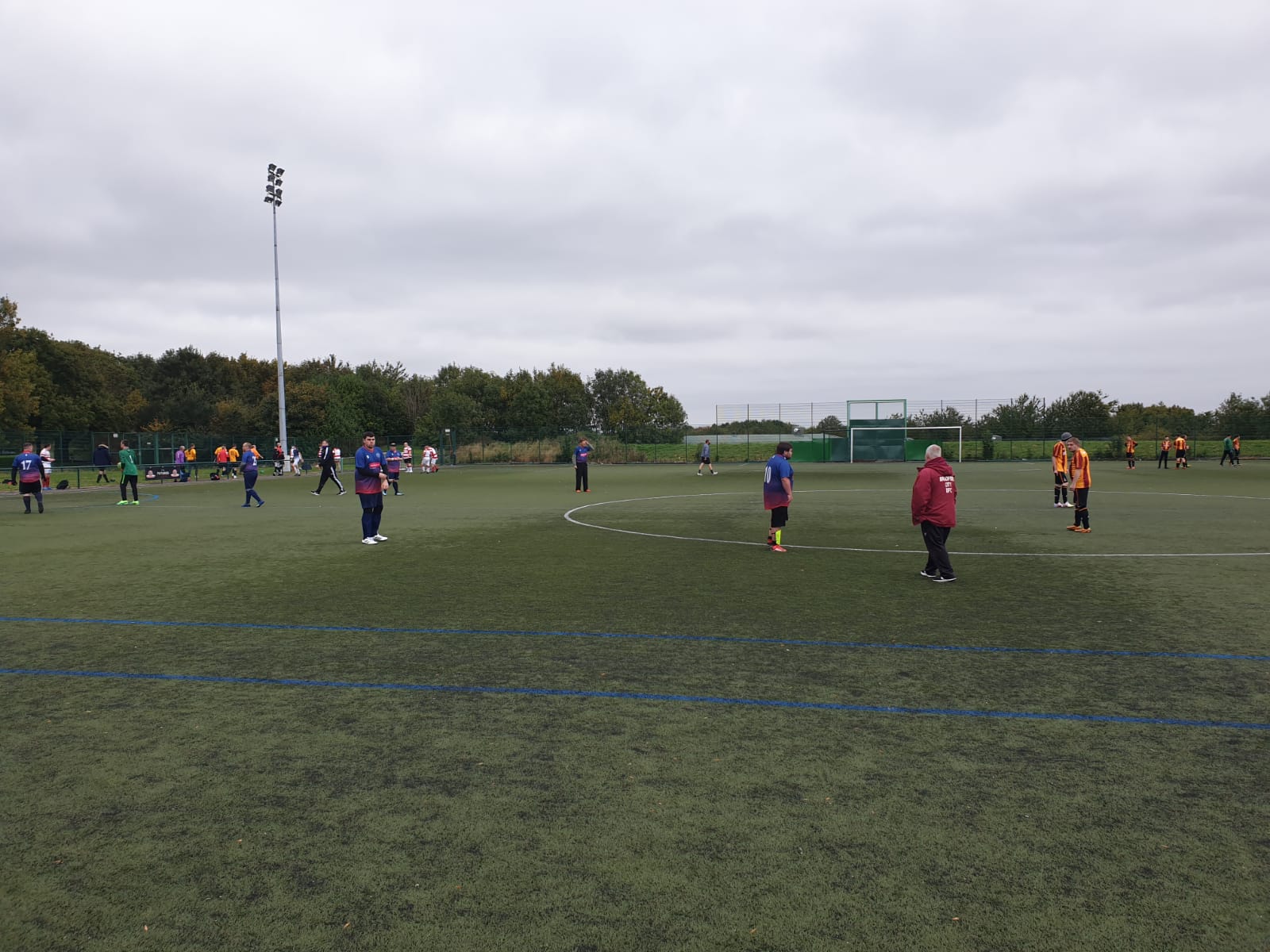
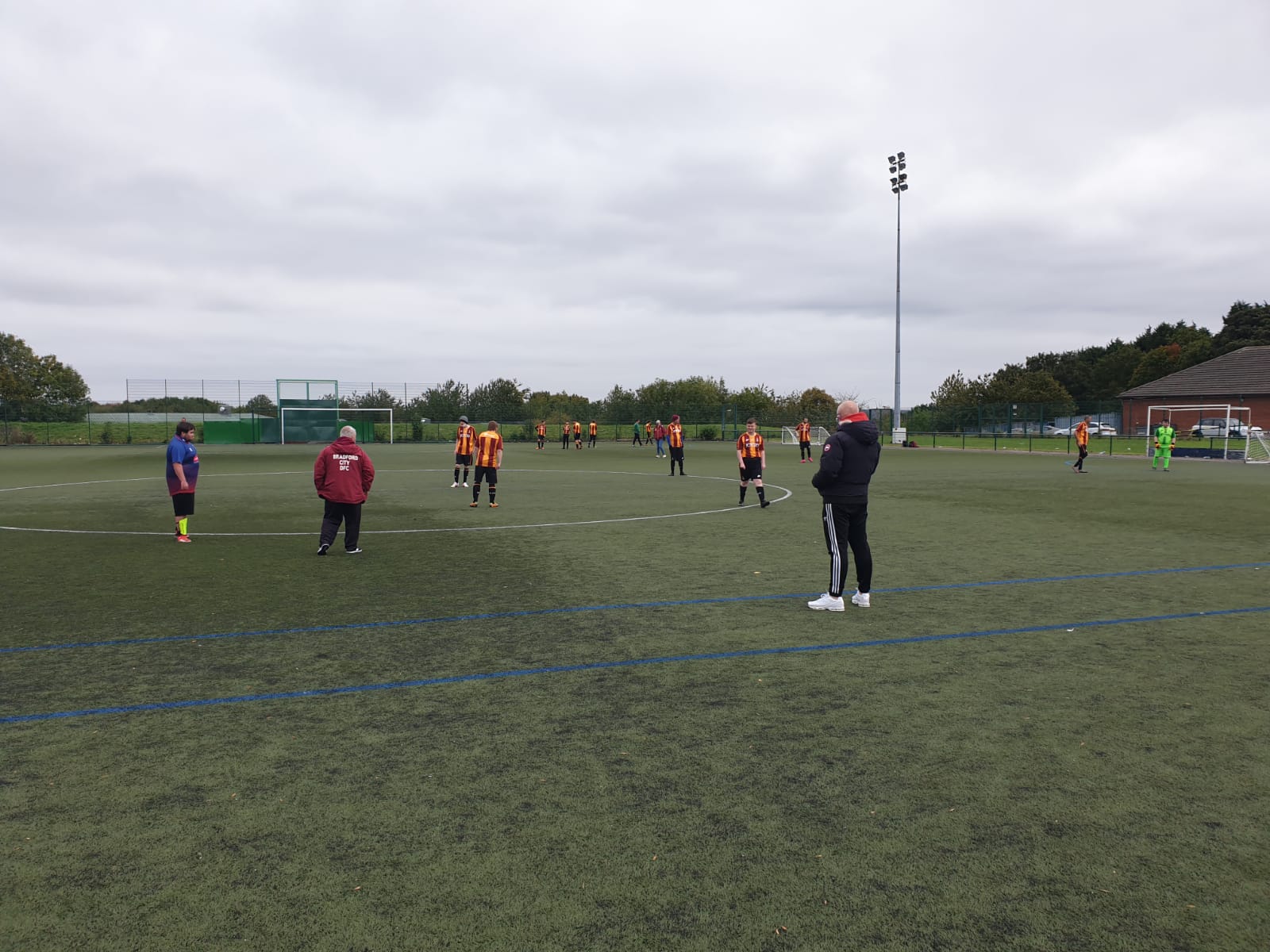
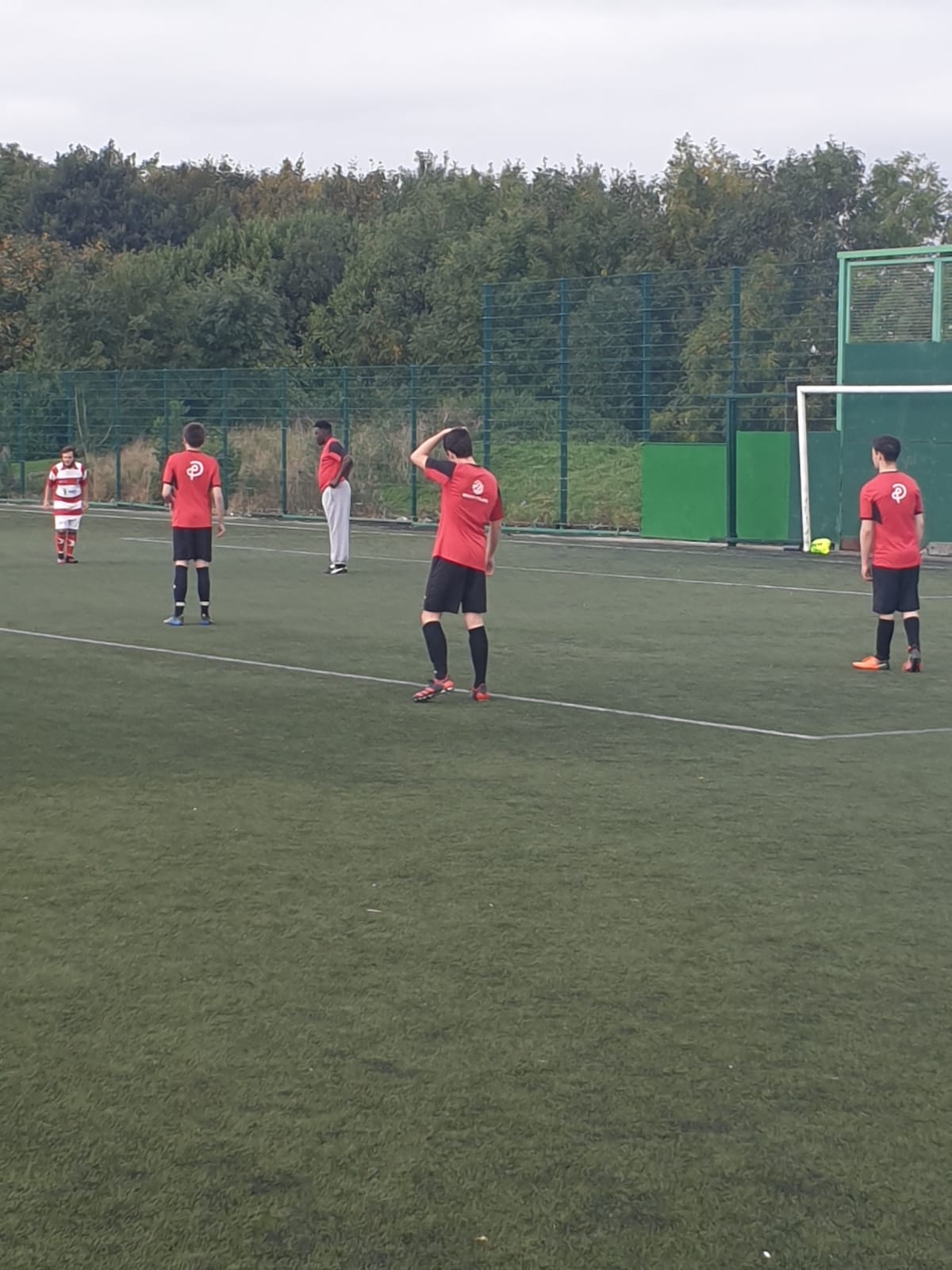
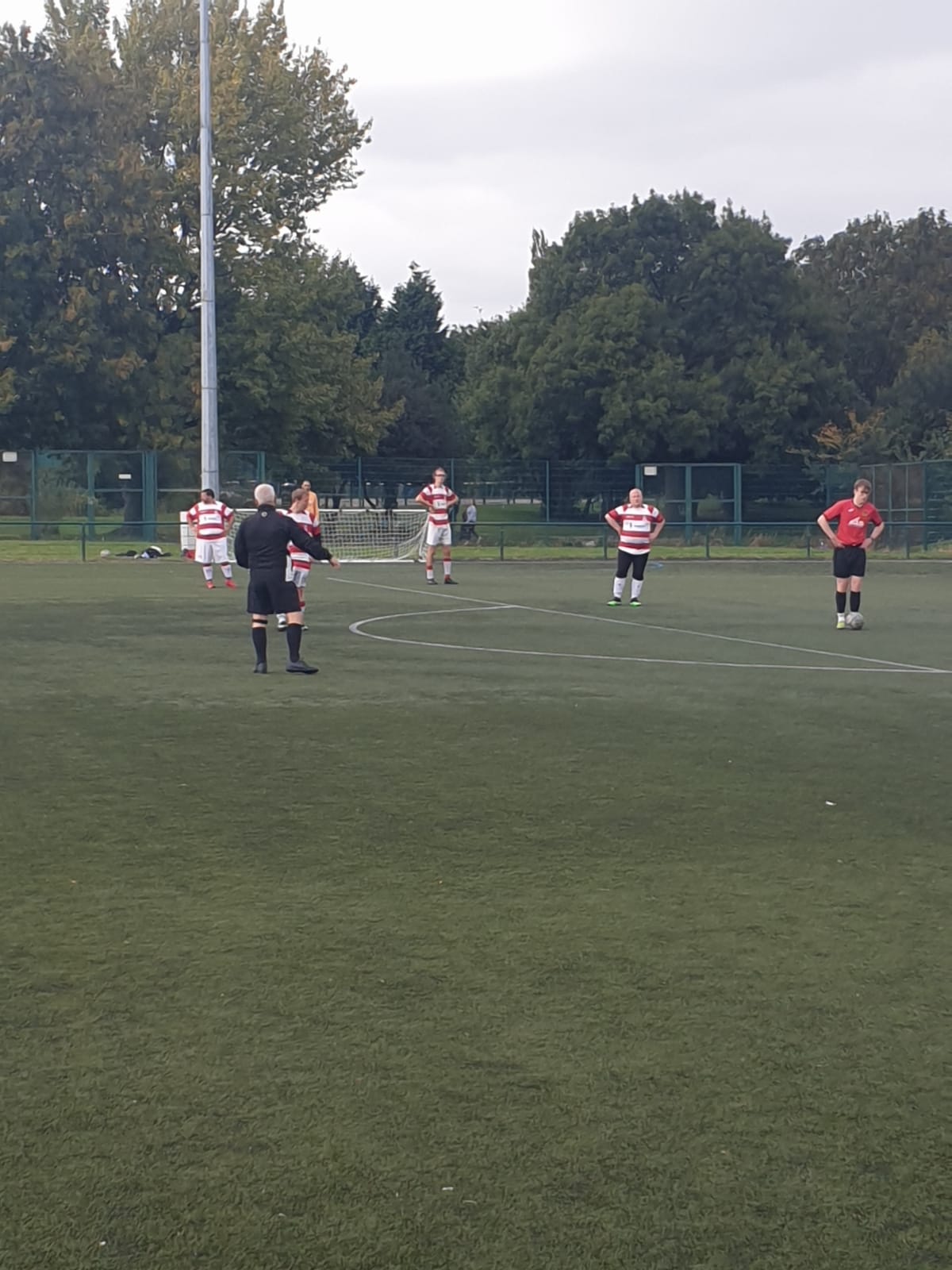
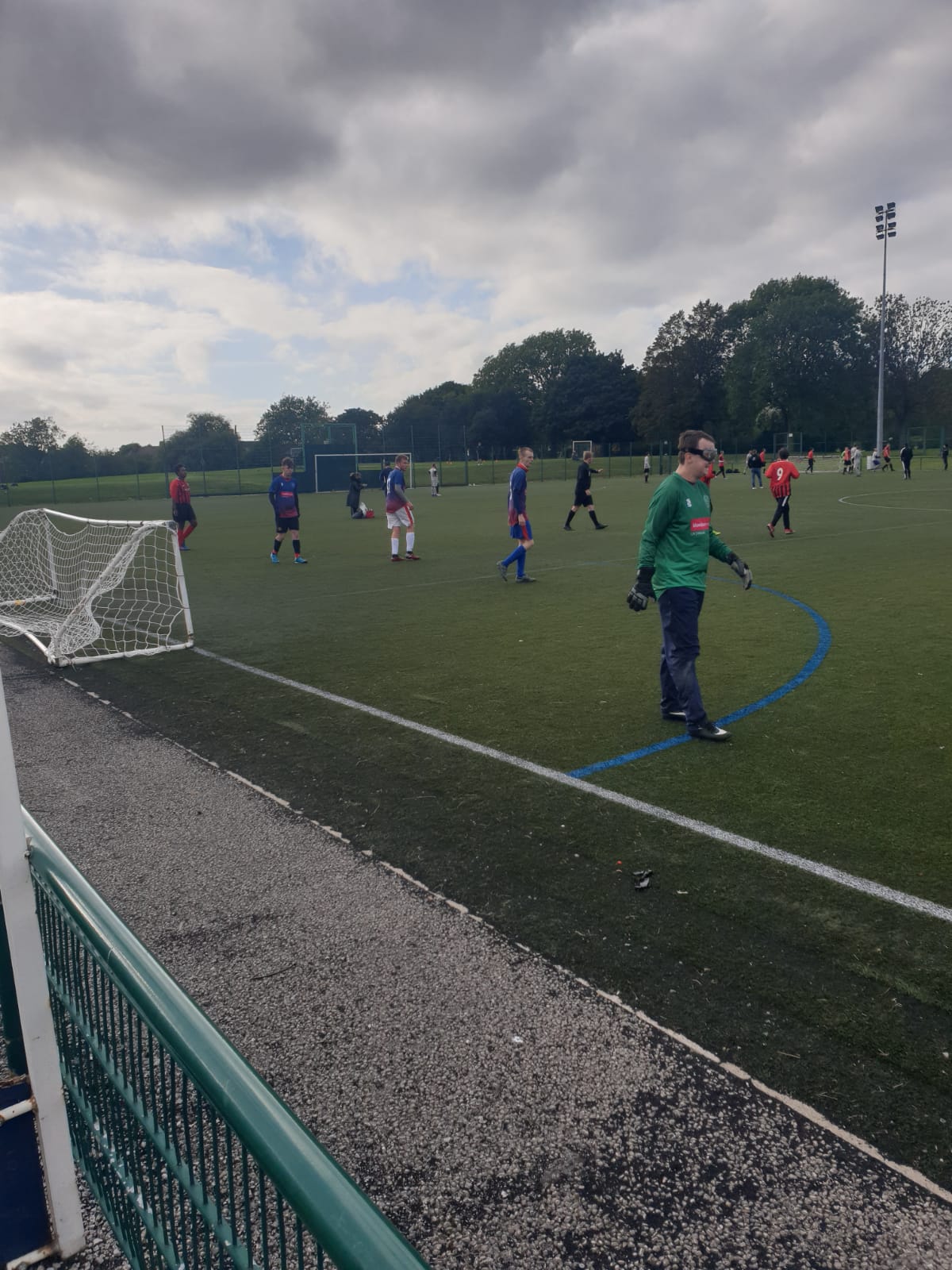
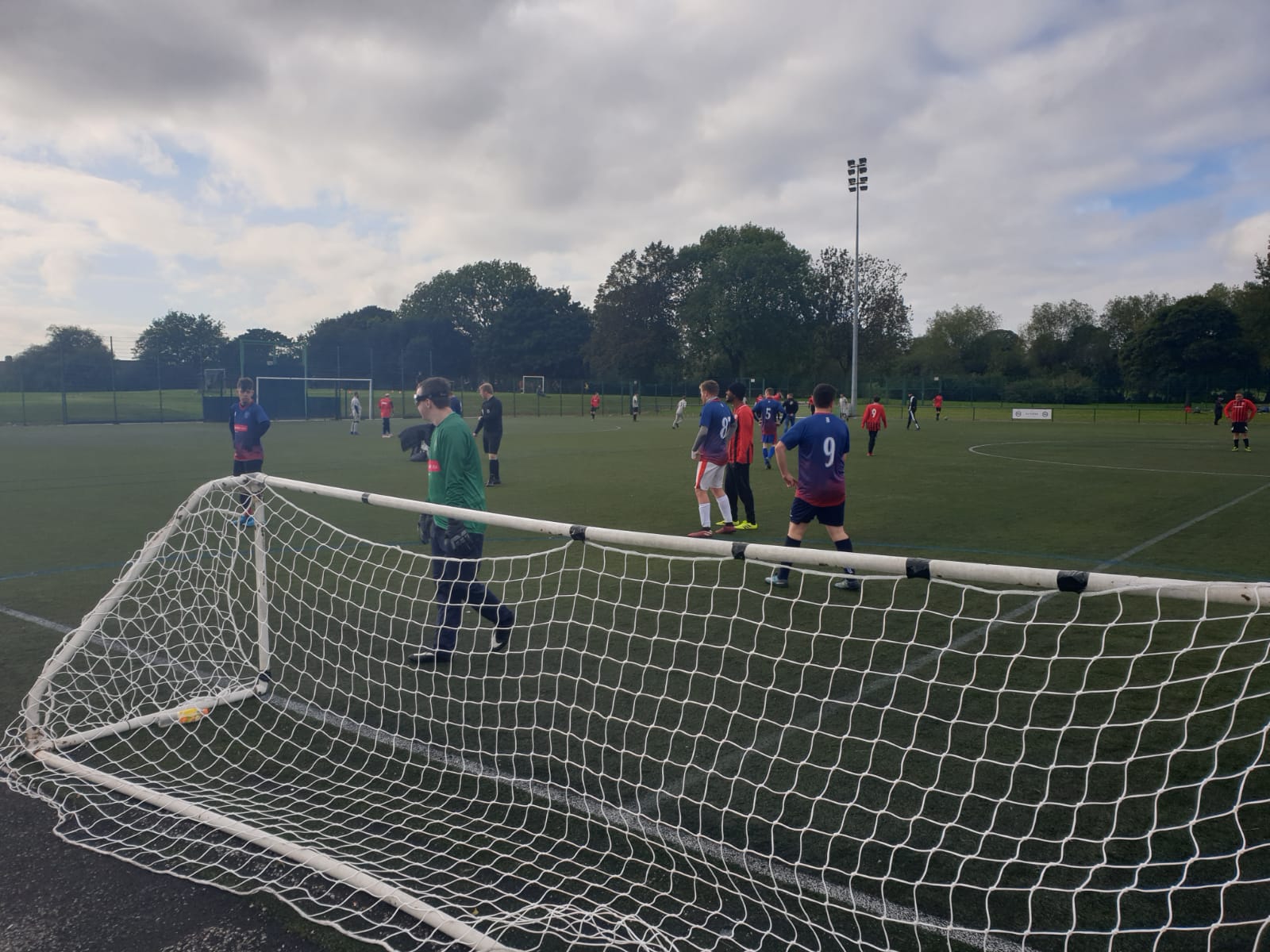
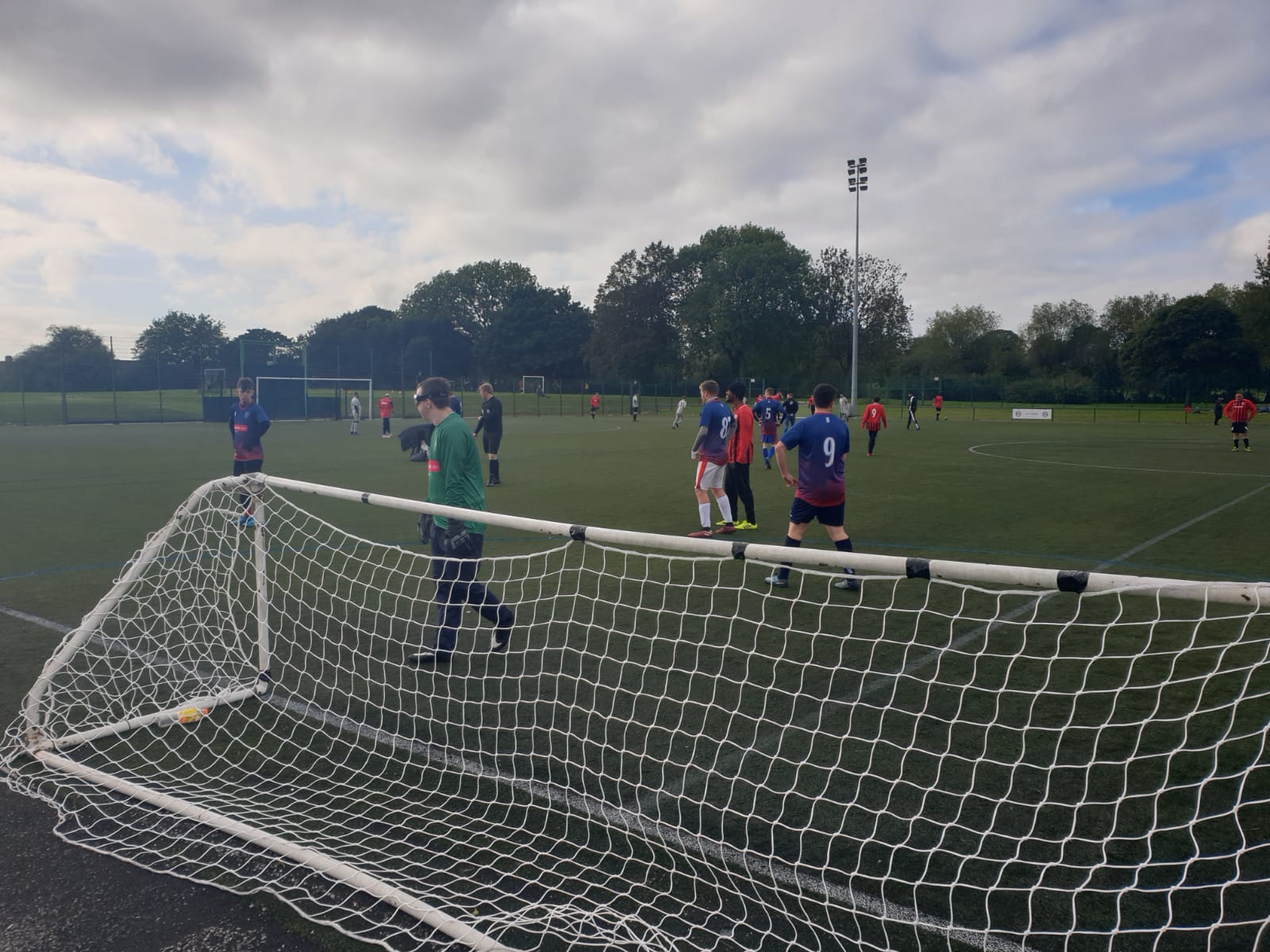
As so many photos were taken on the afternoon they are on the previous post entitled: – 7-a-side action is underway again in SYACL.
This narrative is all the action as reported by team managers/coaches/SYACL correspondent.
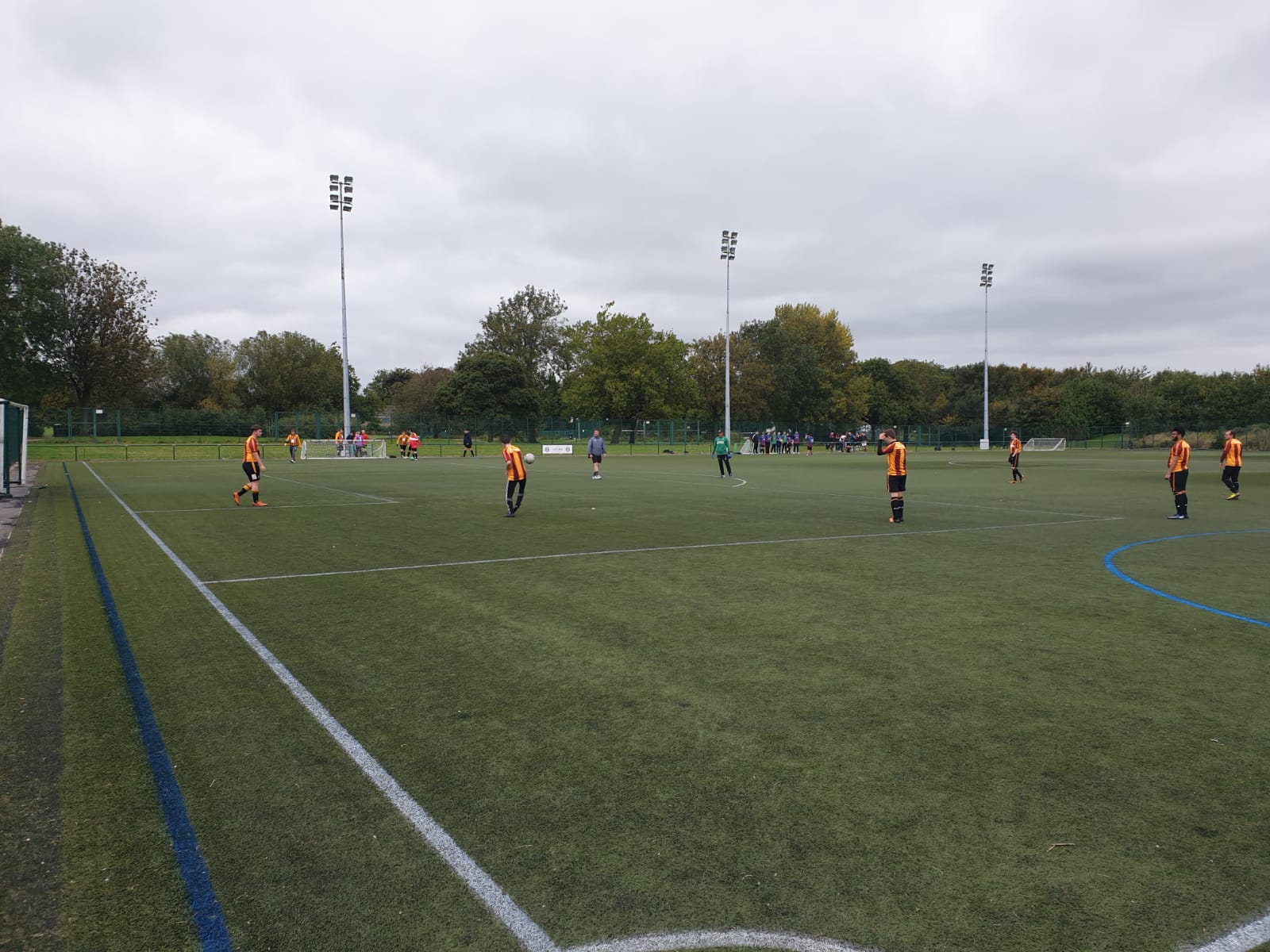
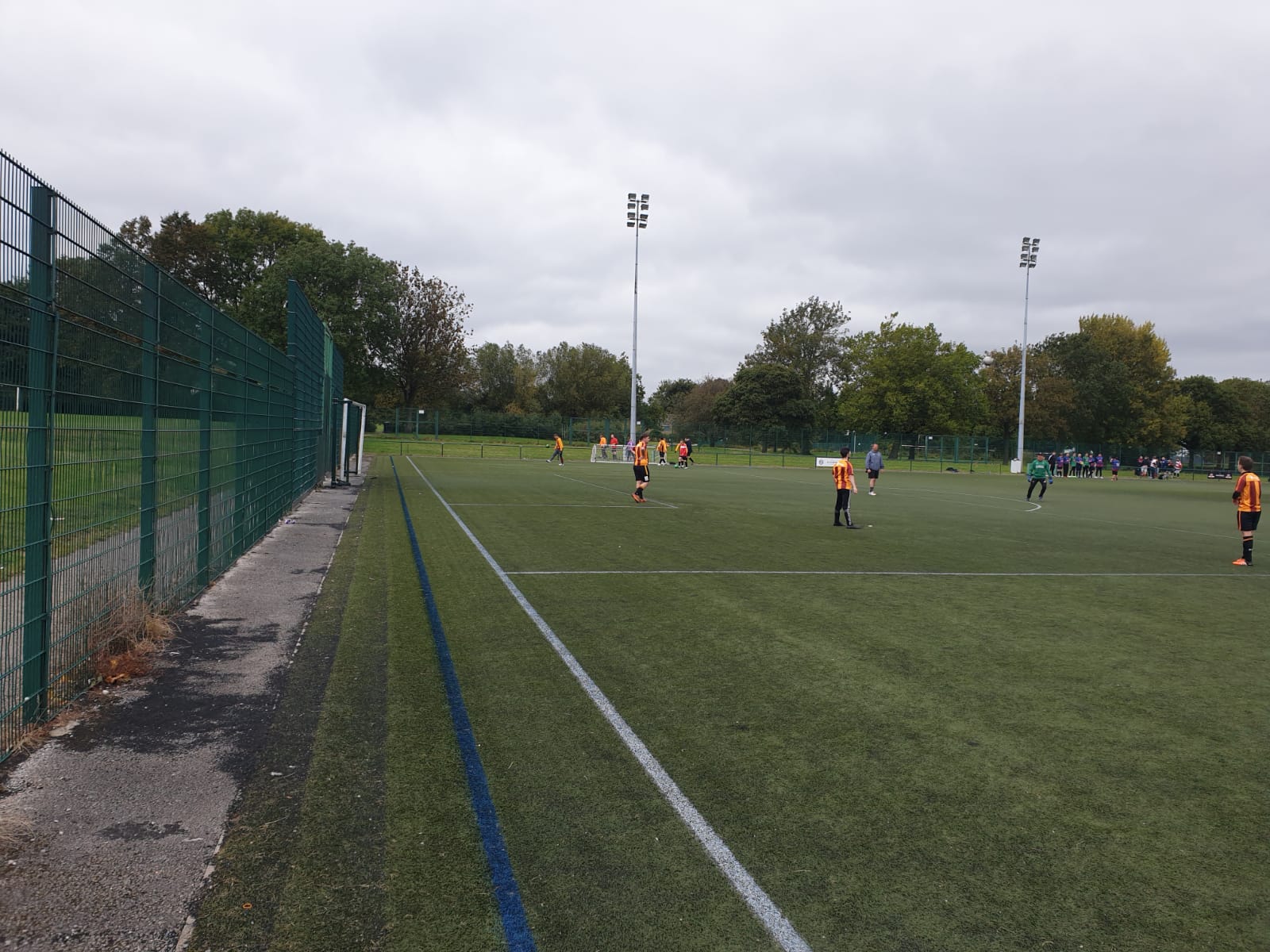
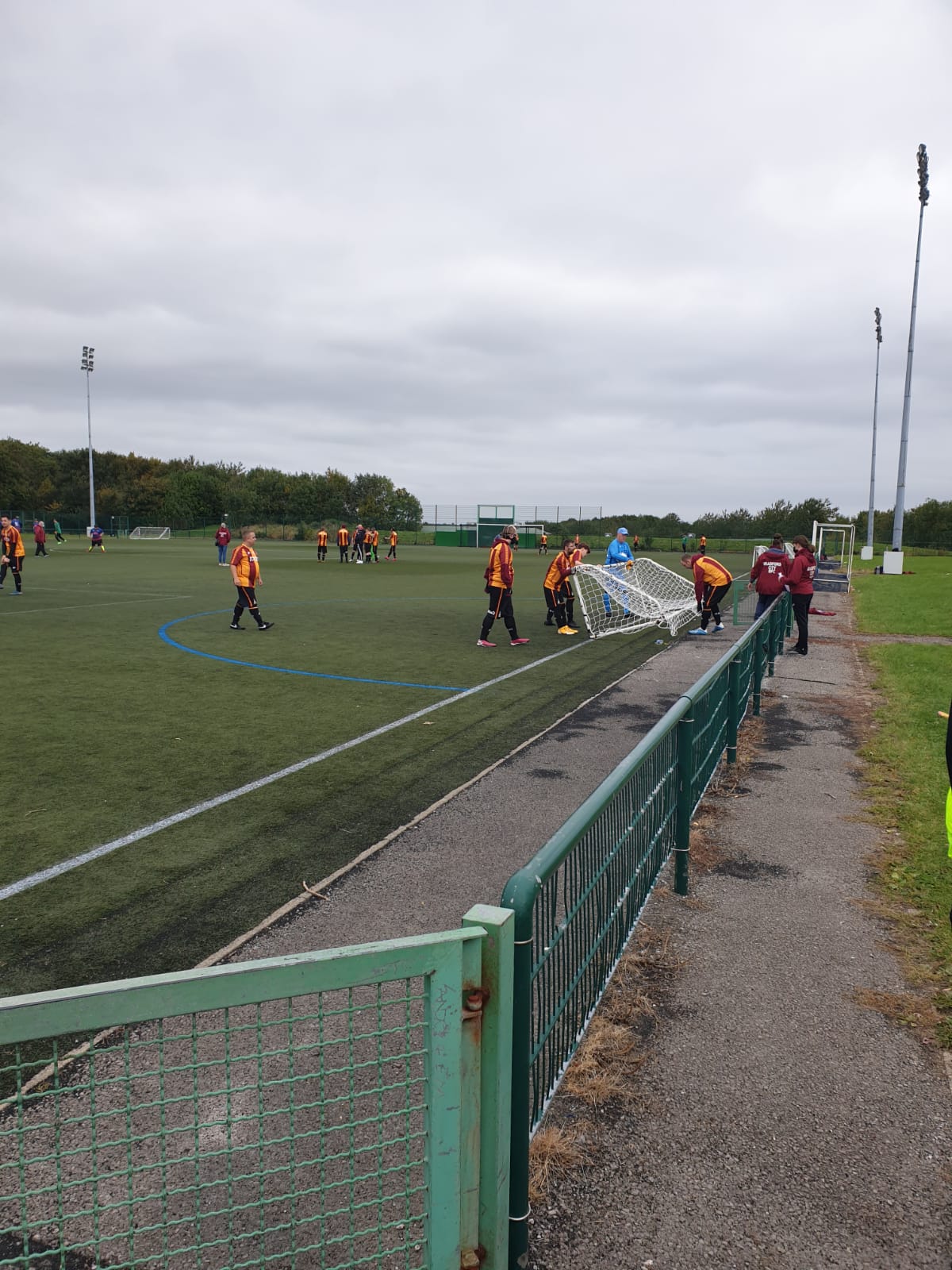
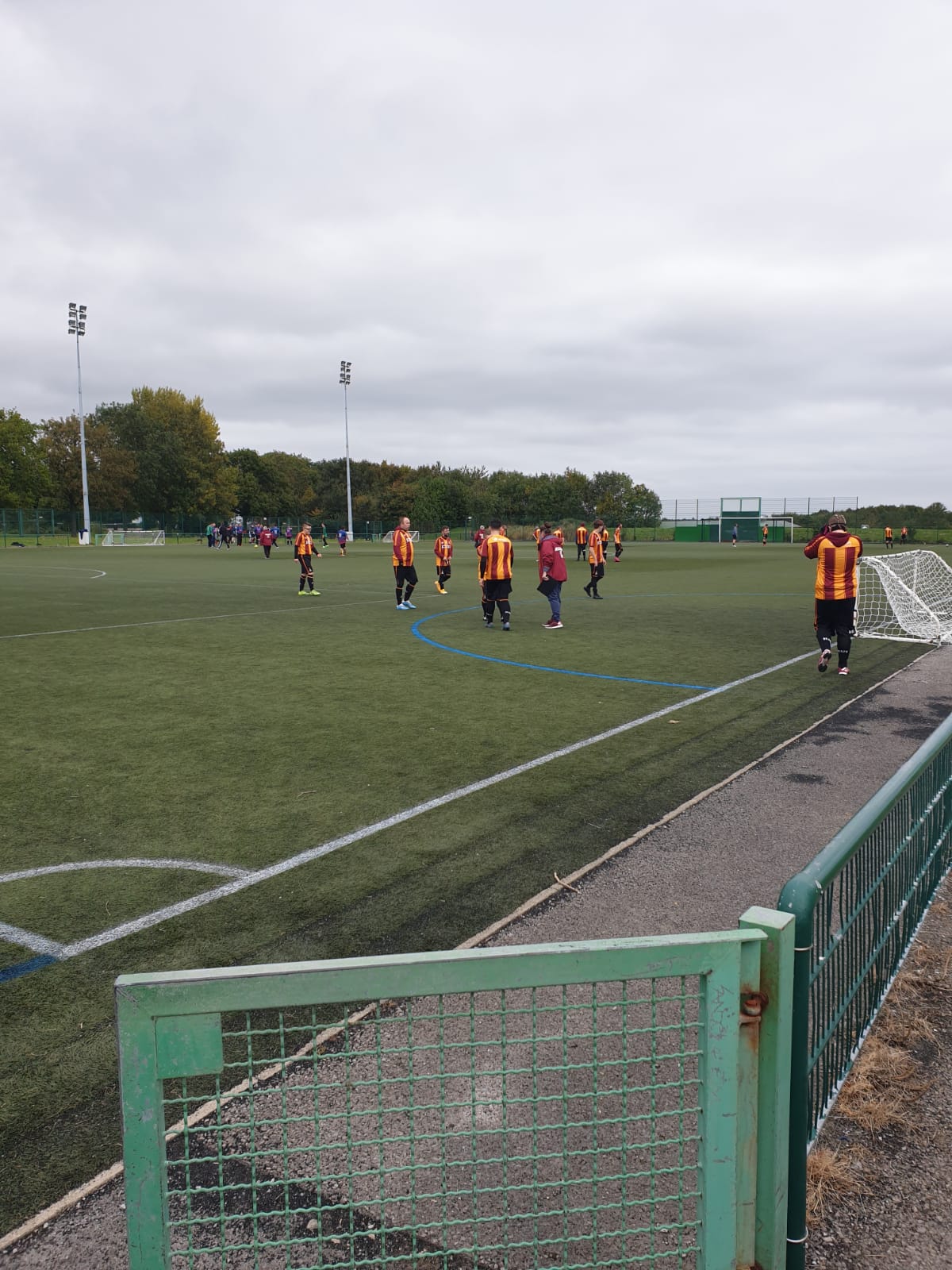
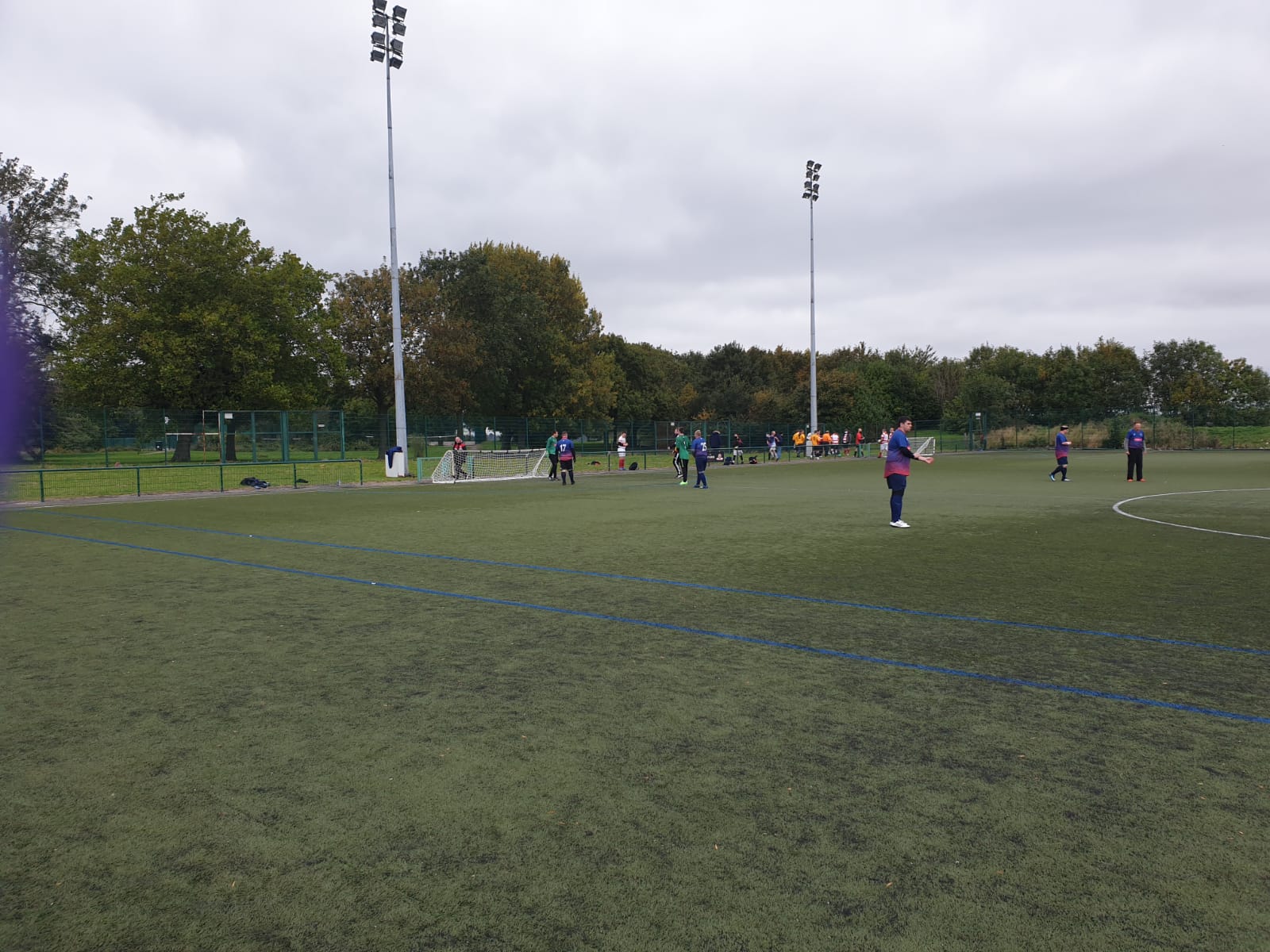
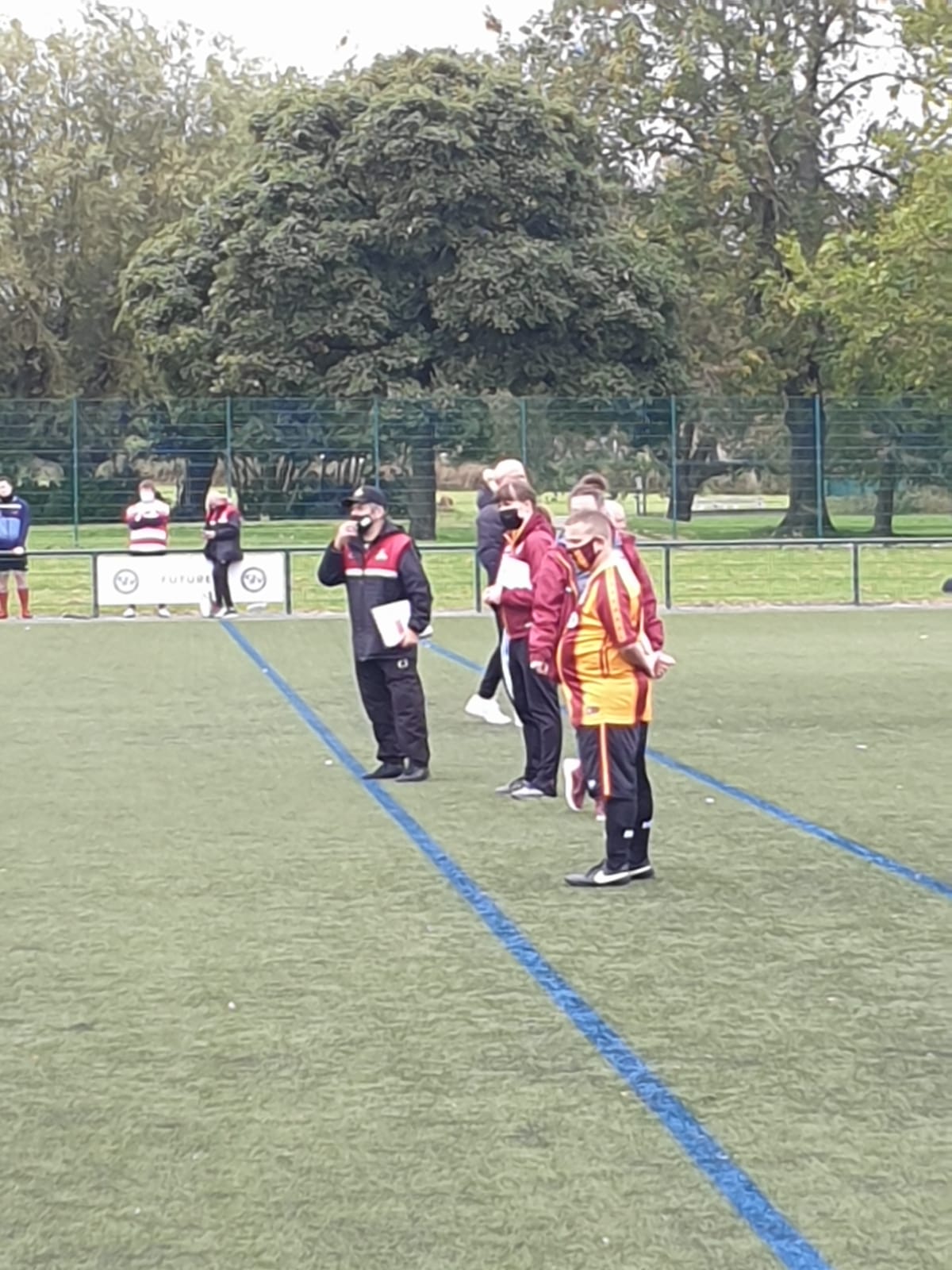
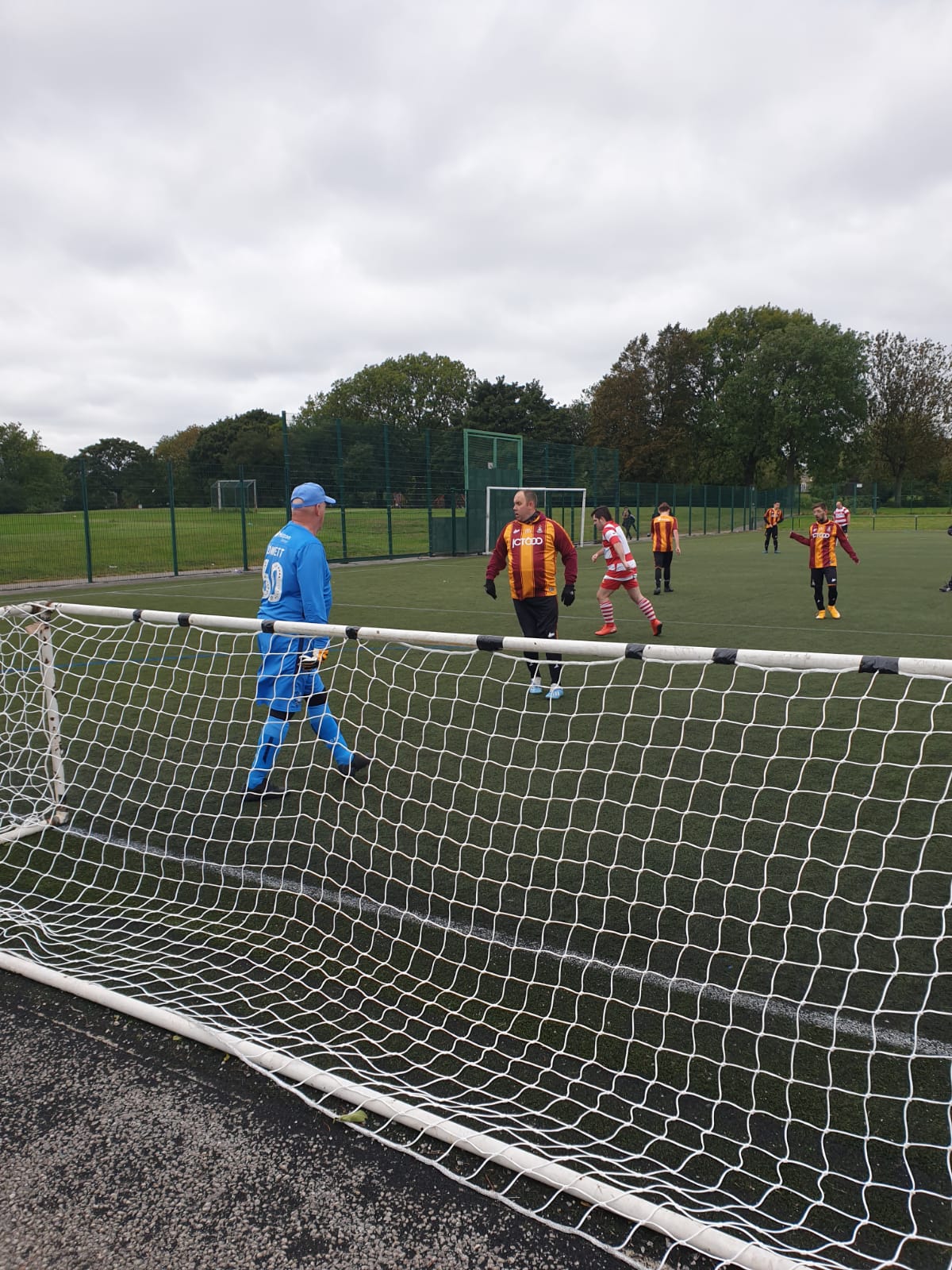
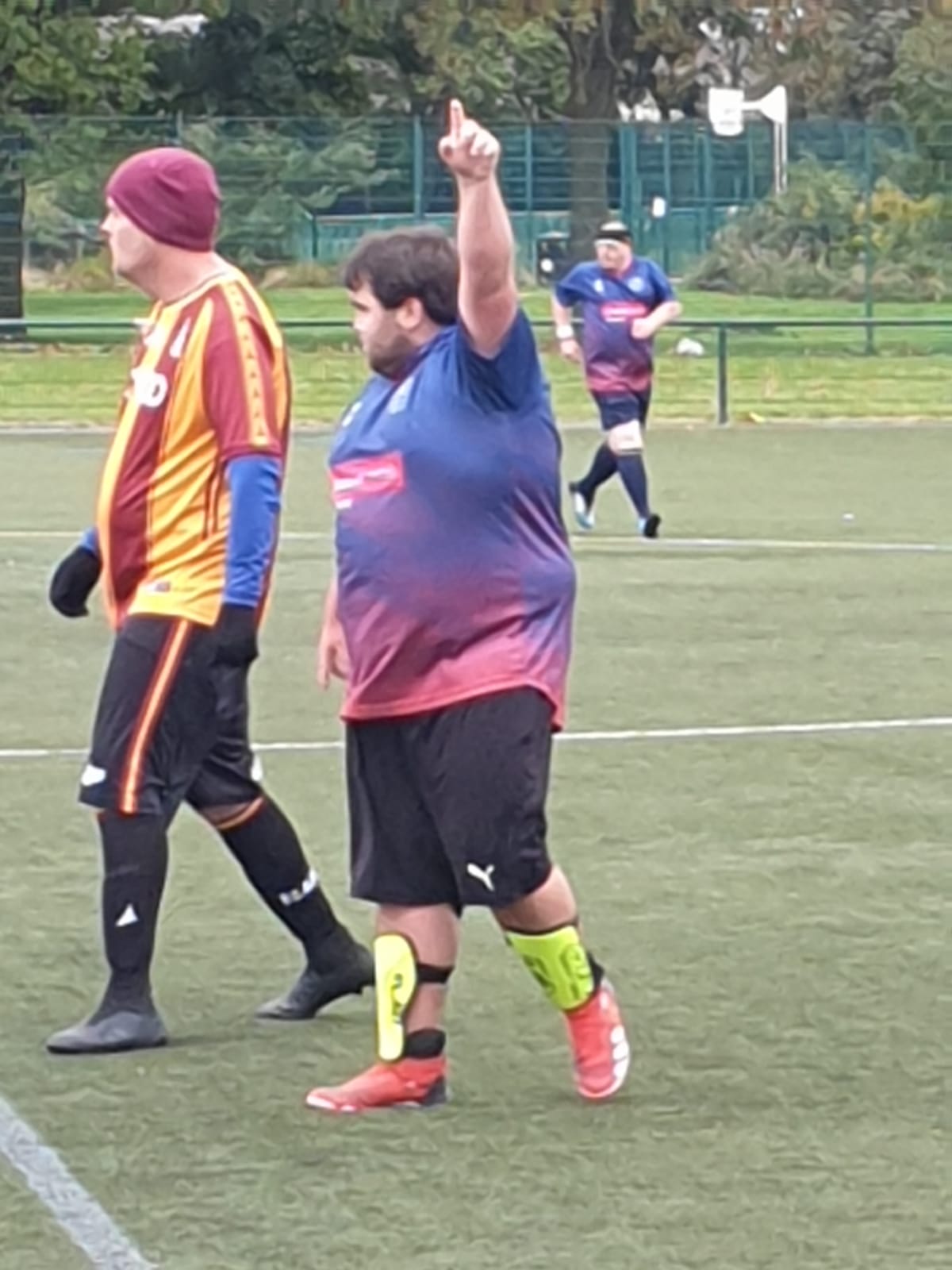
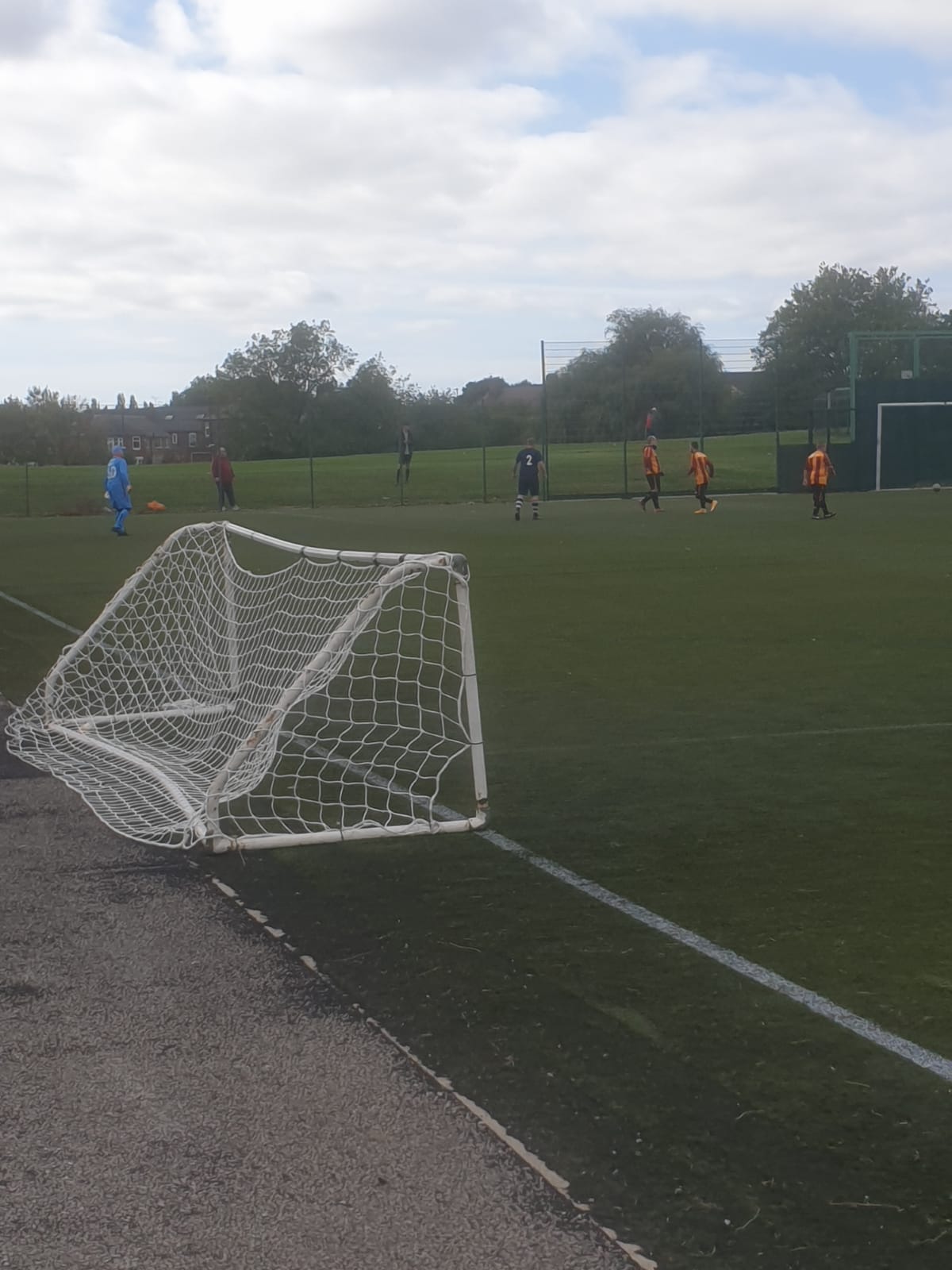
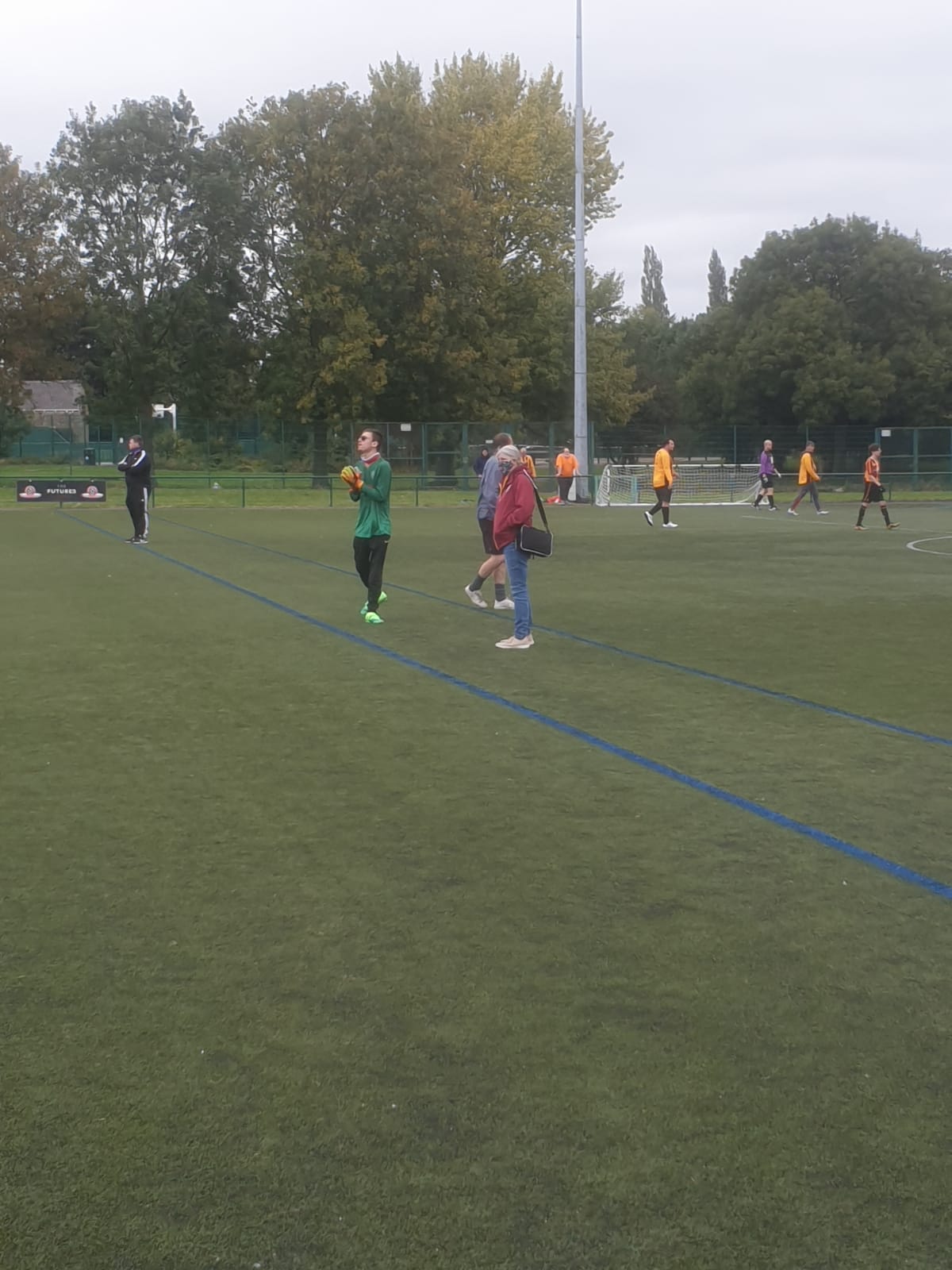
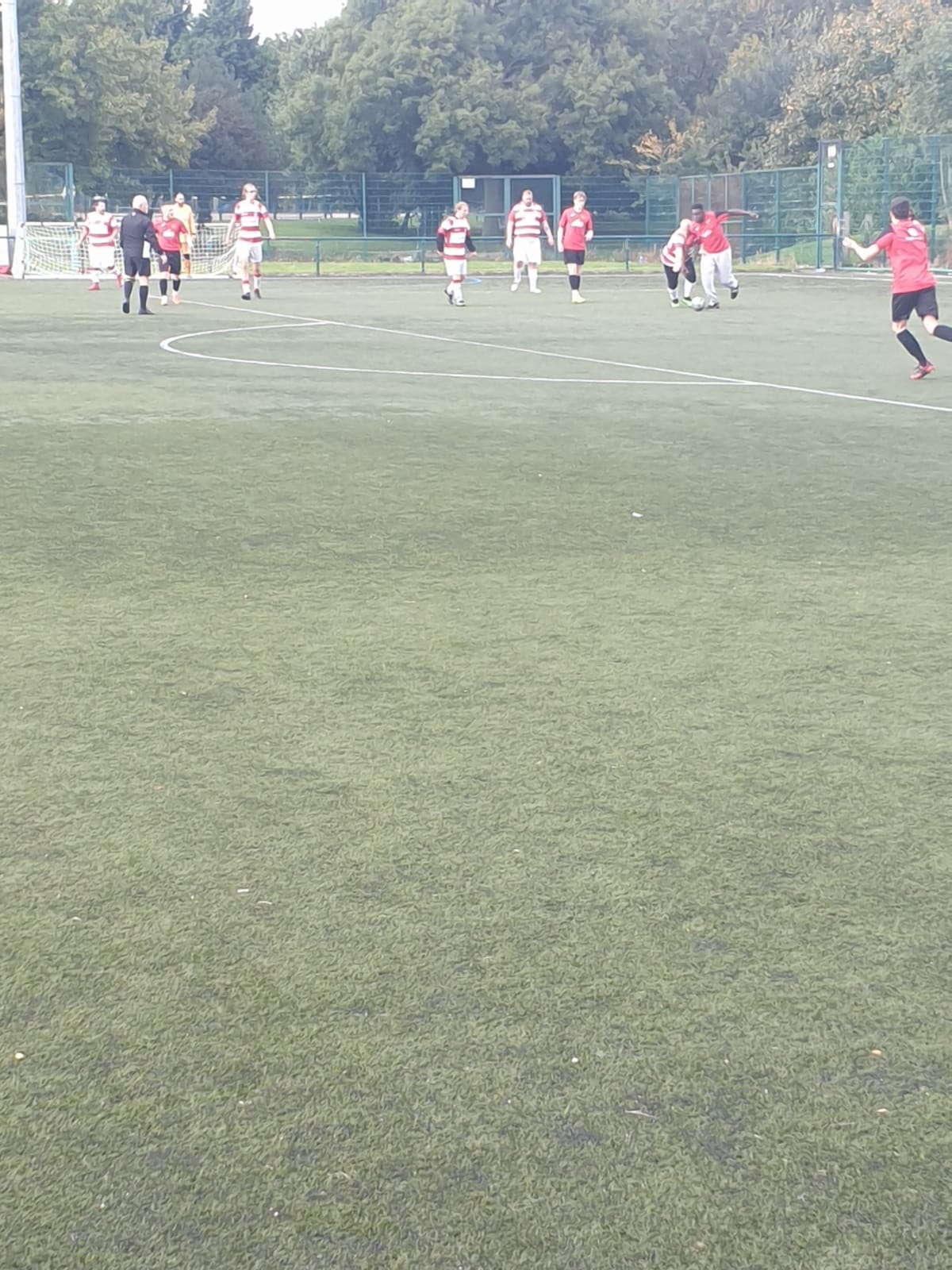
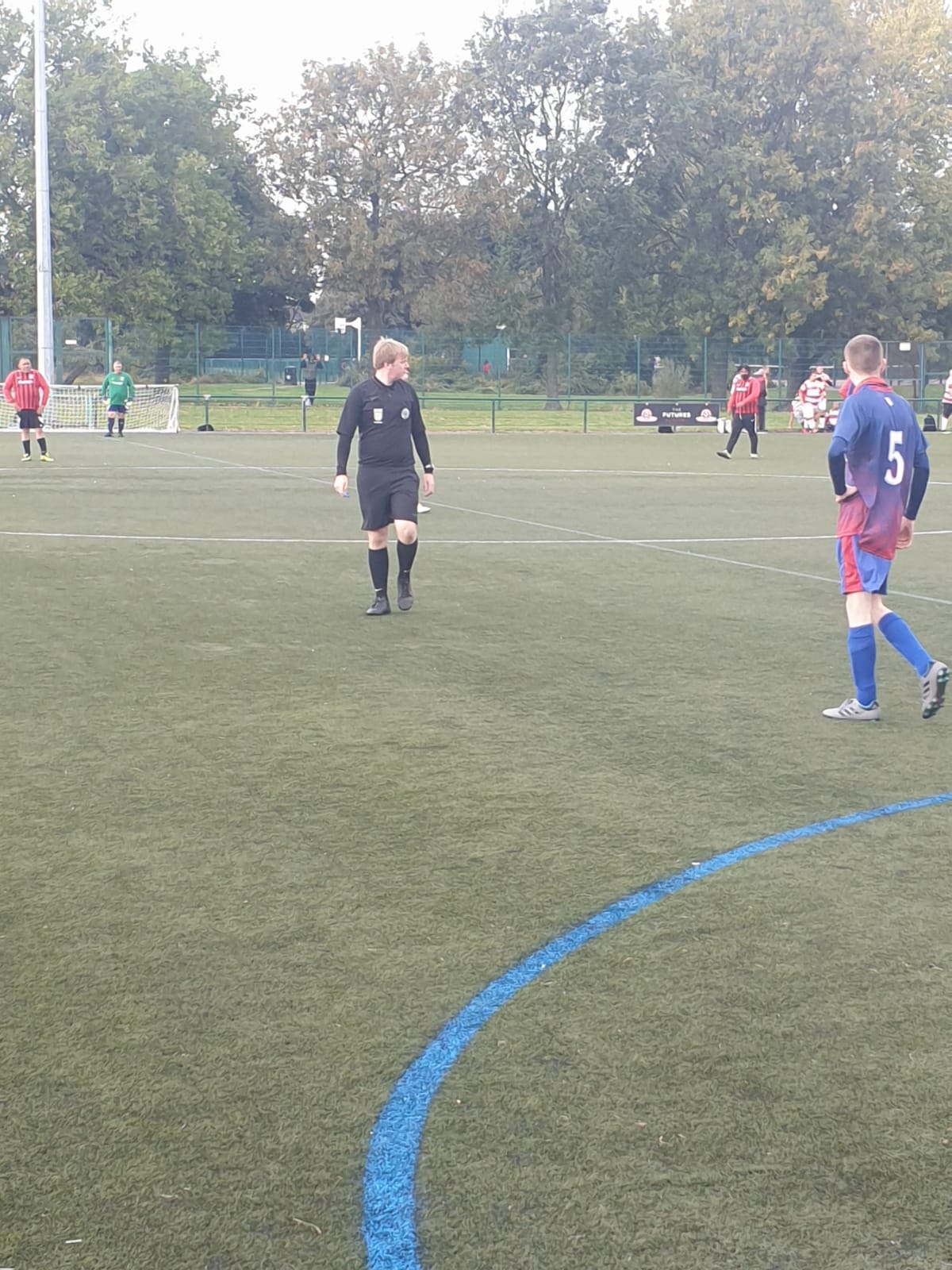
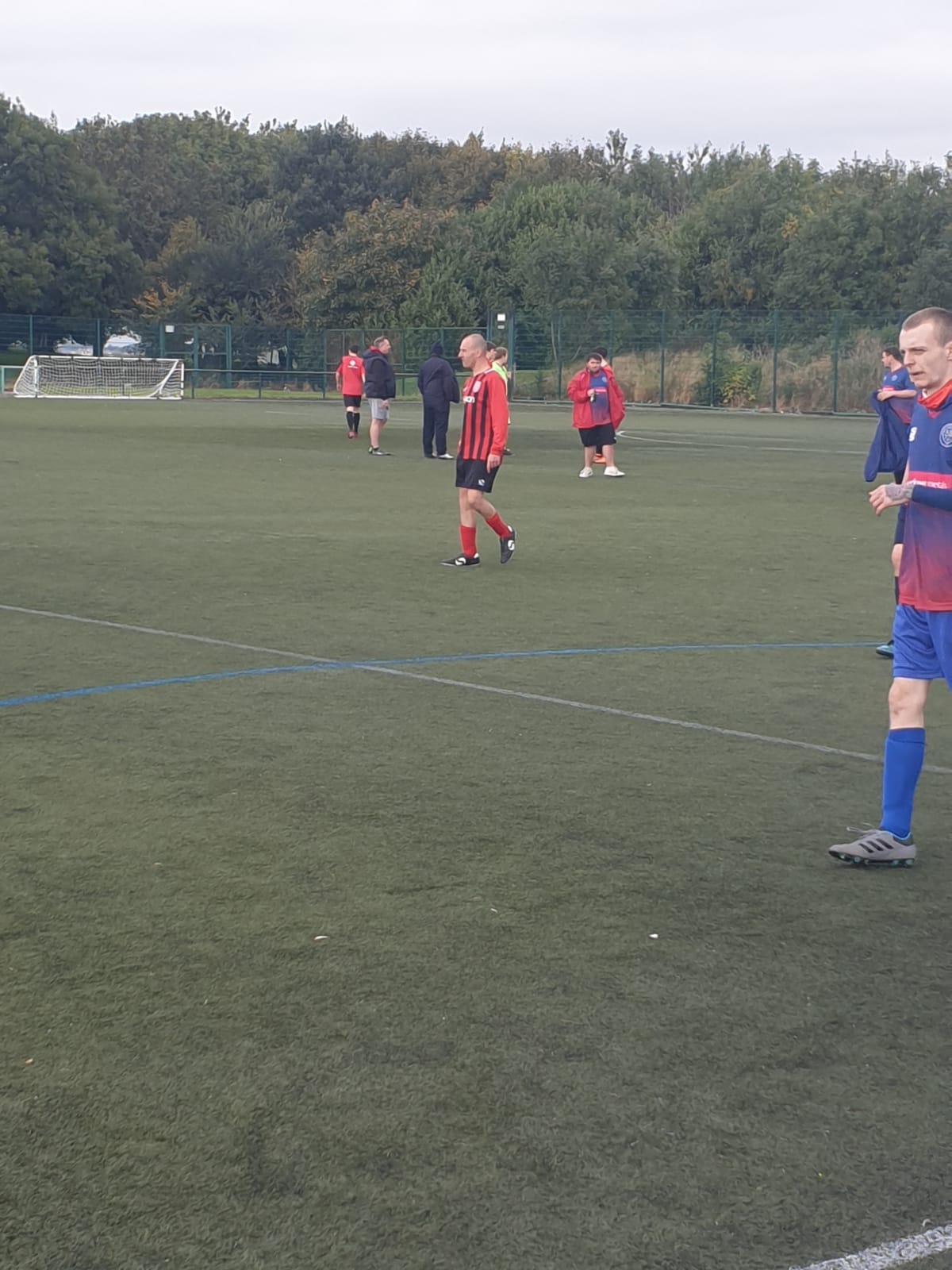
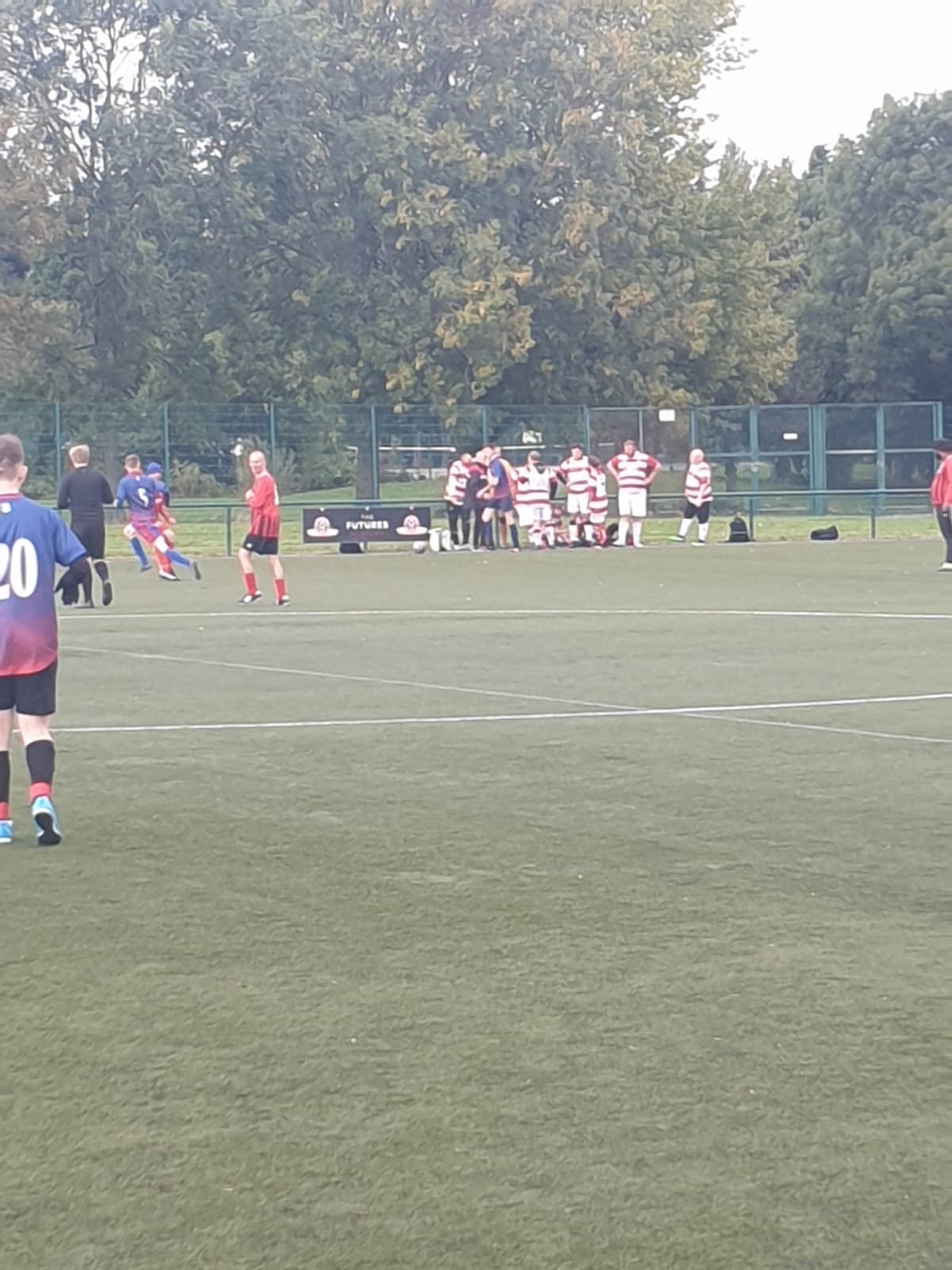
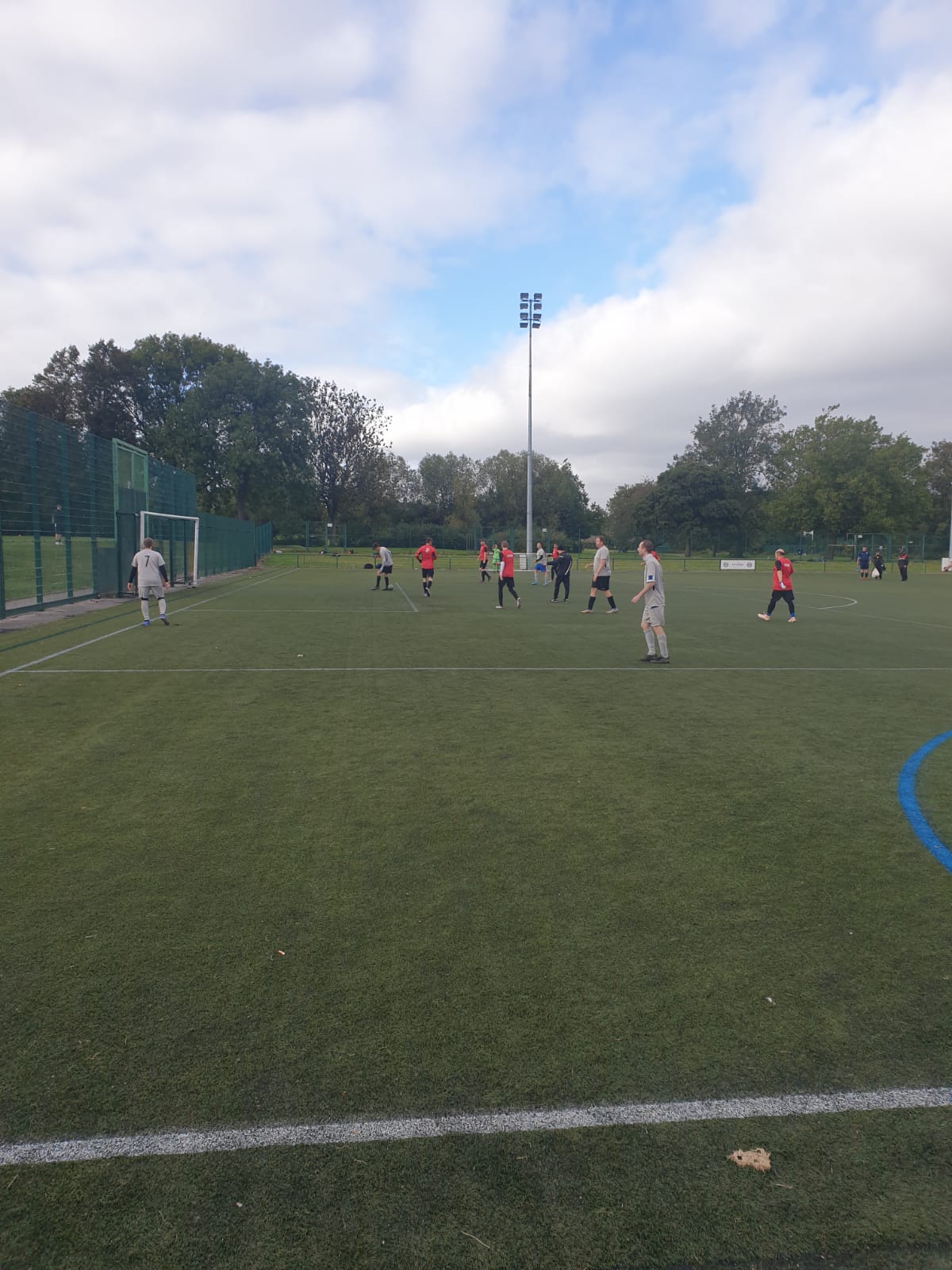
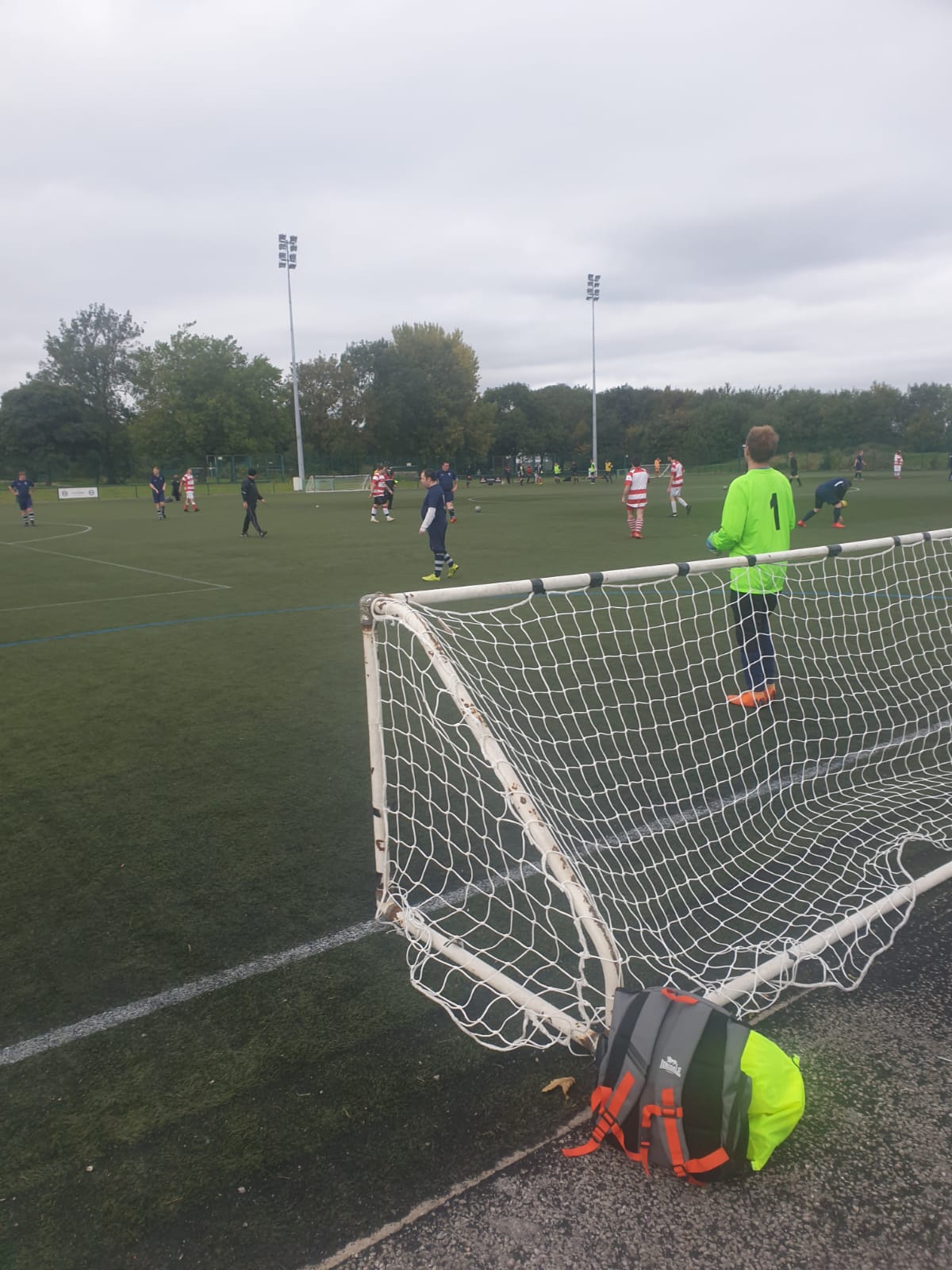
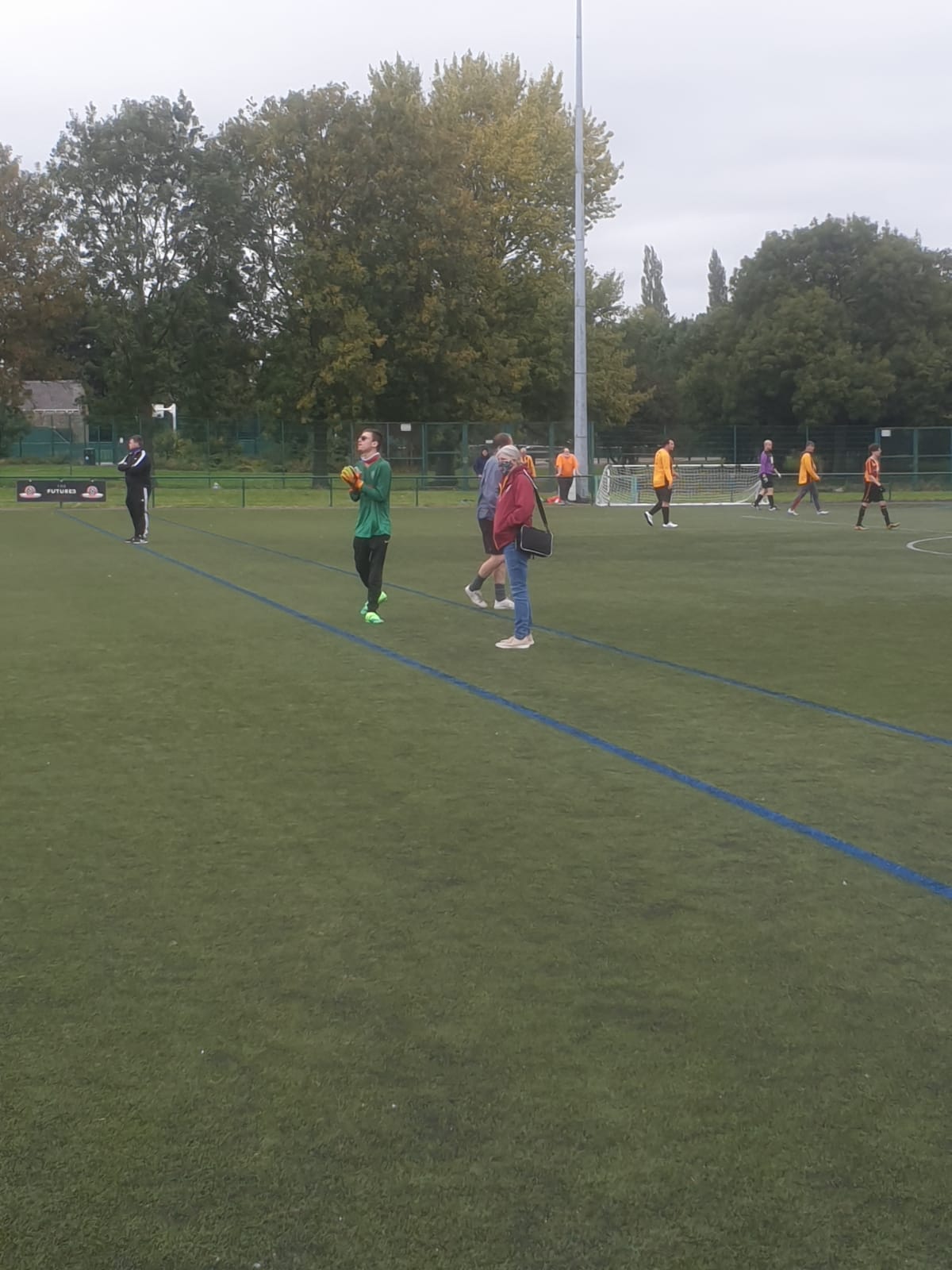
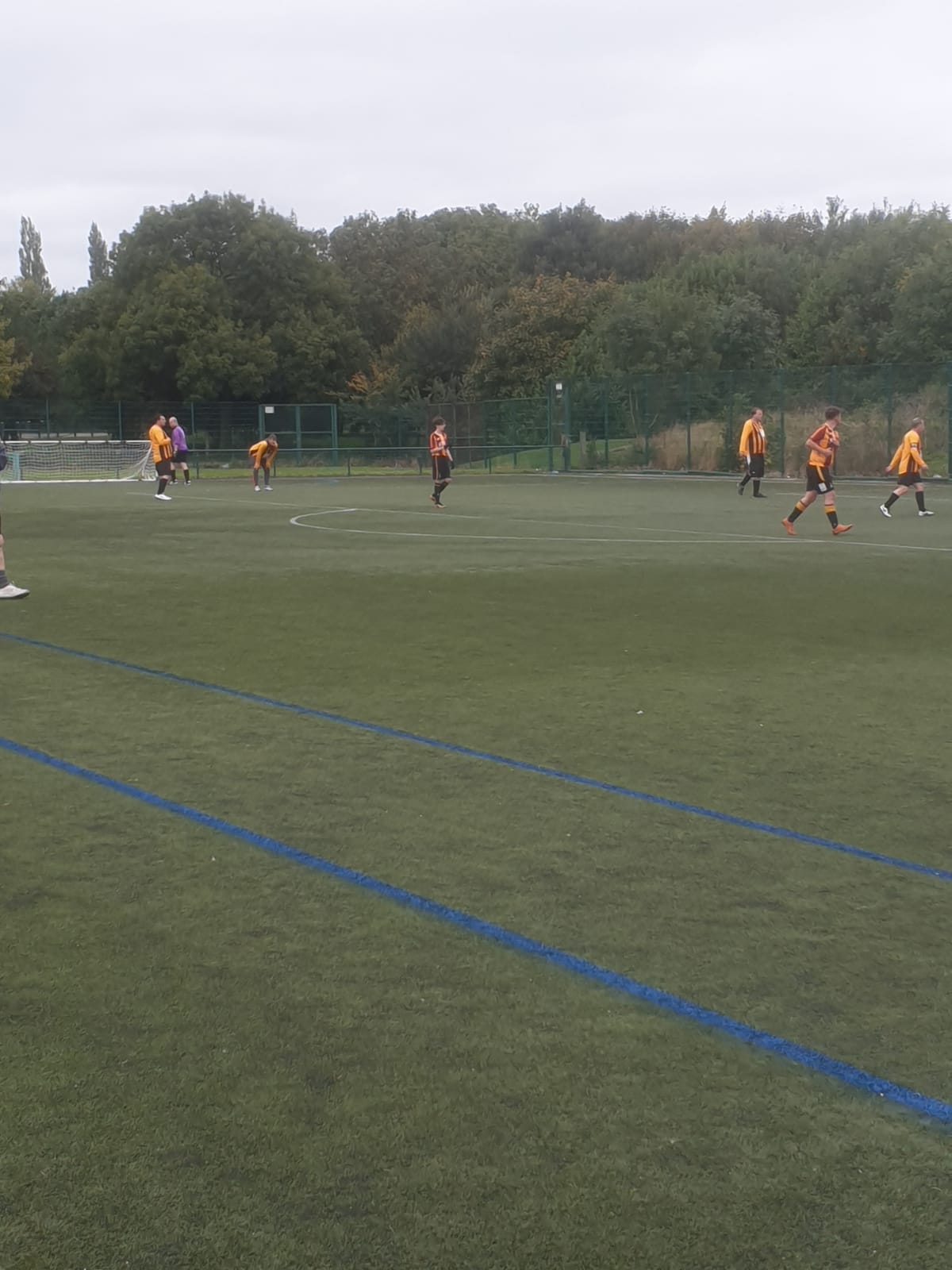
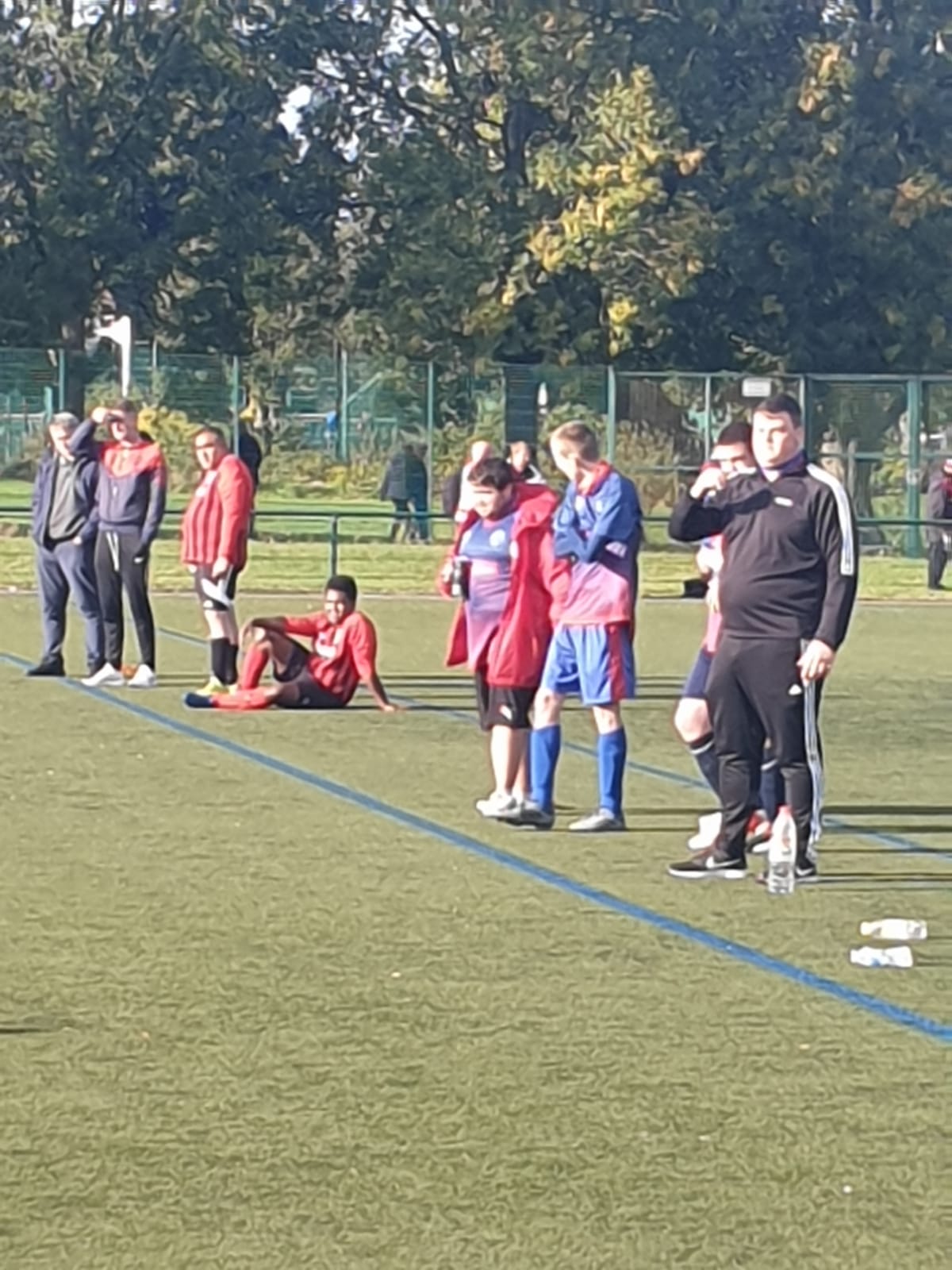
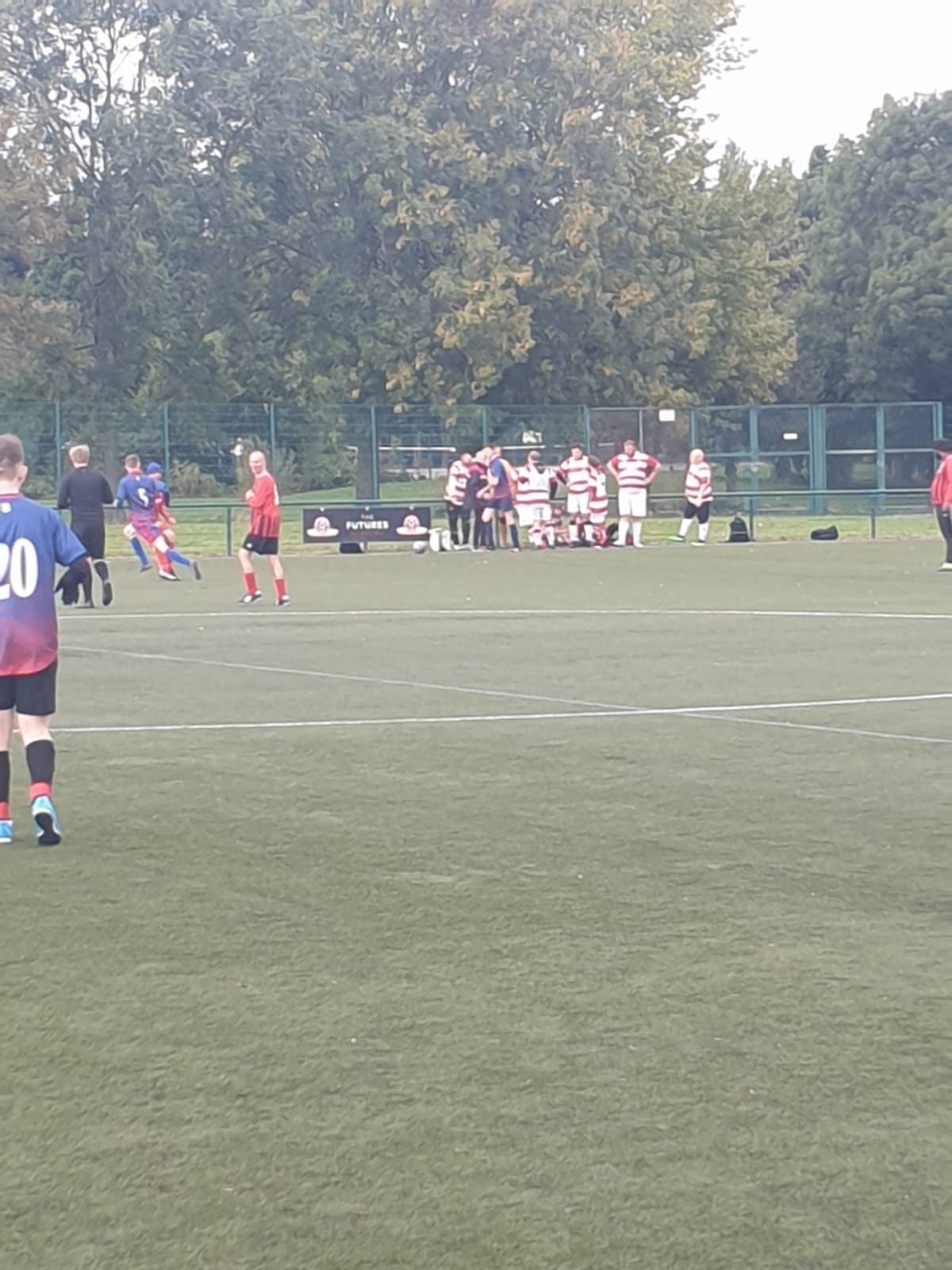
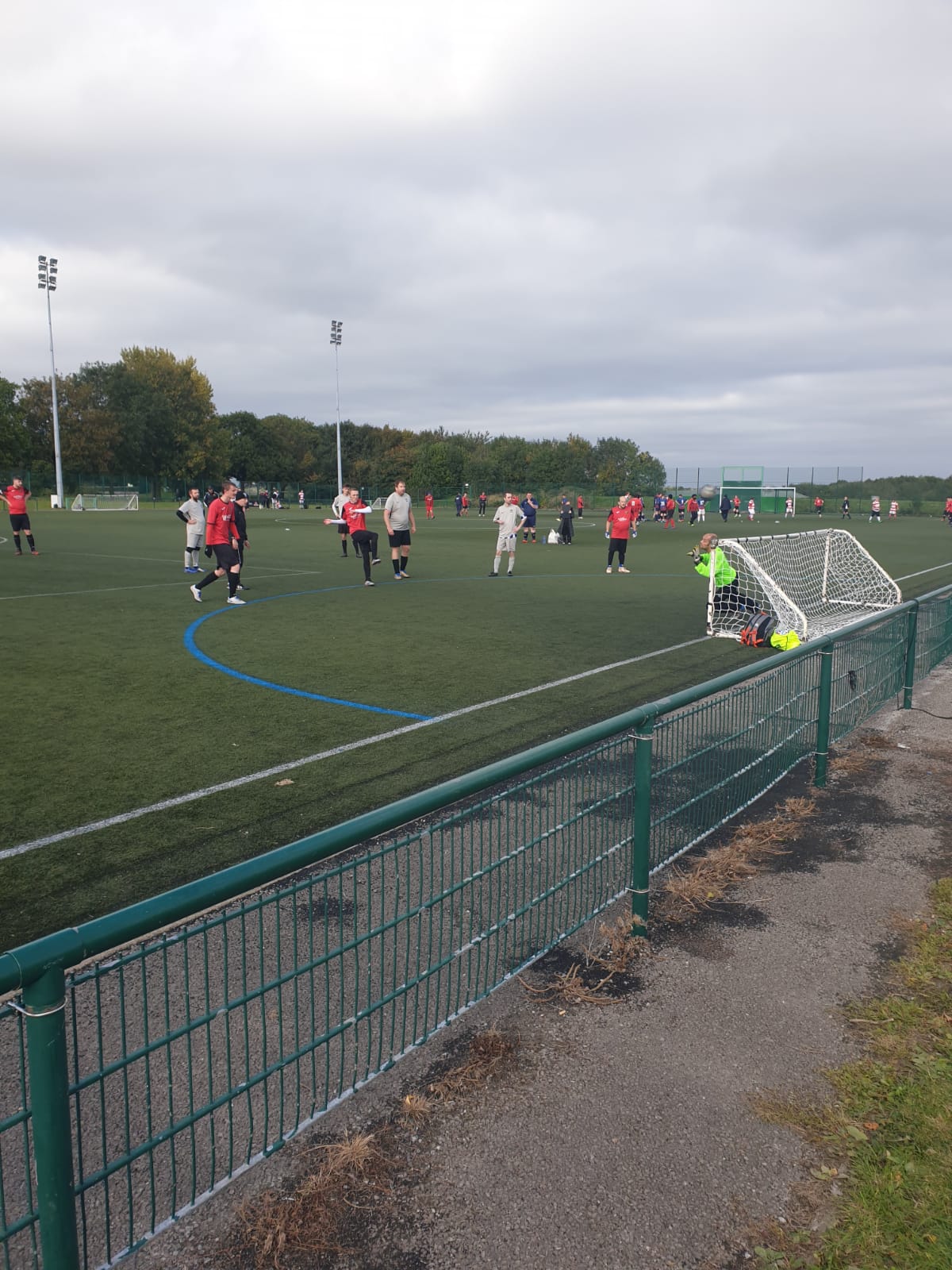
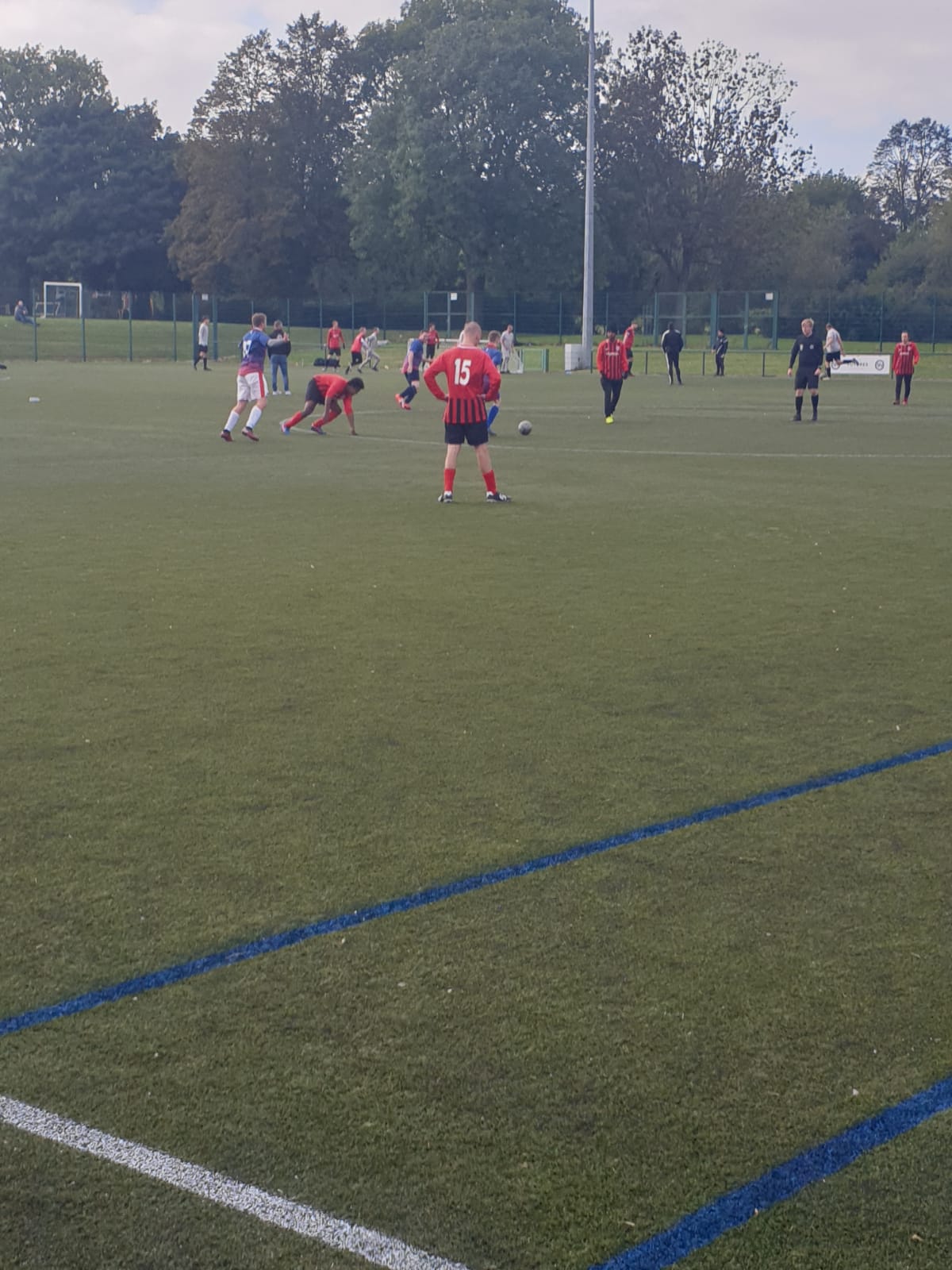
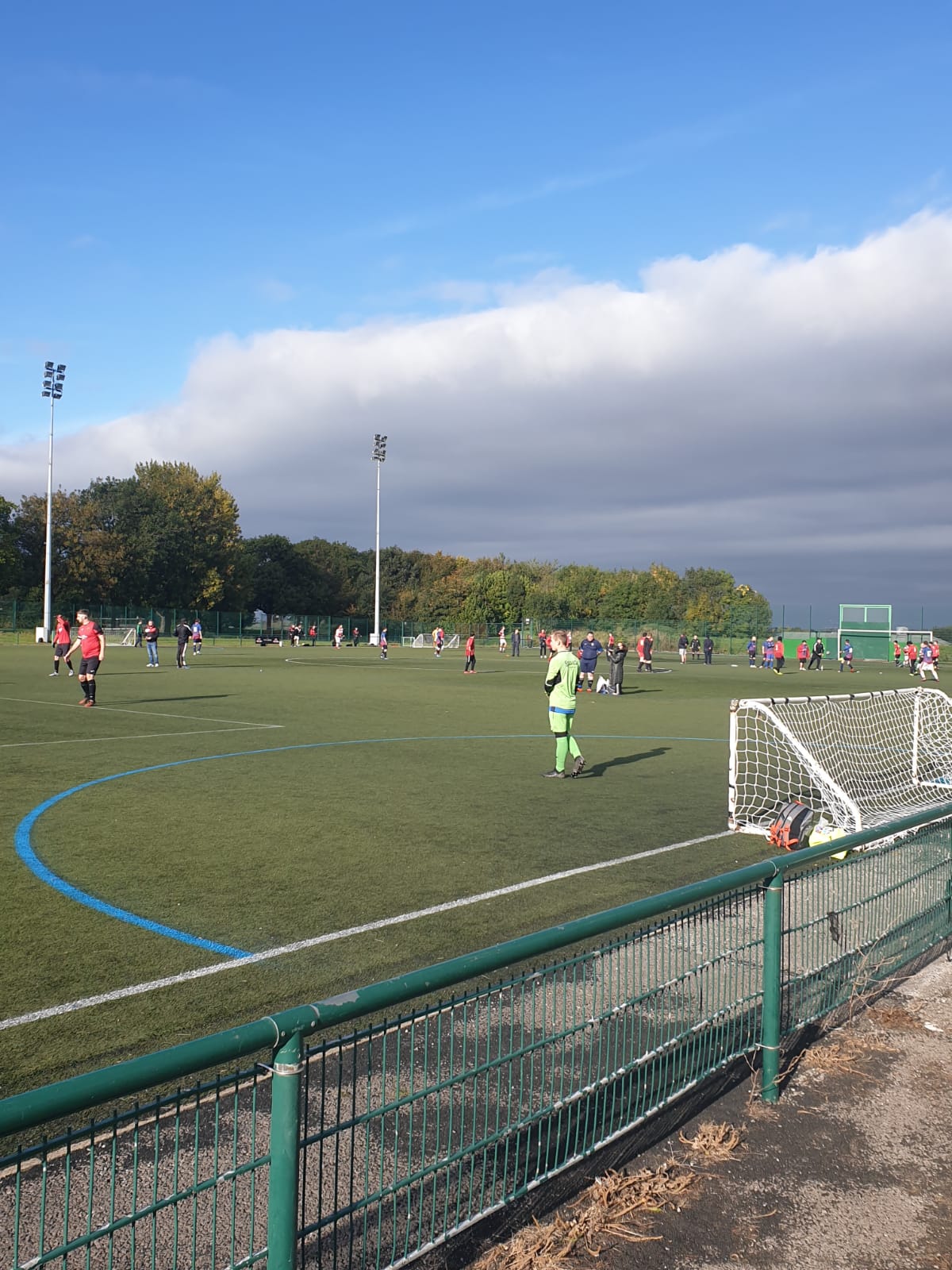
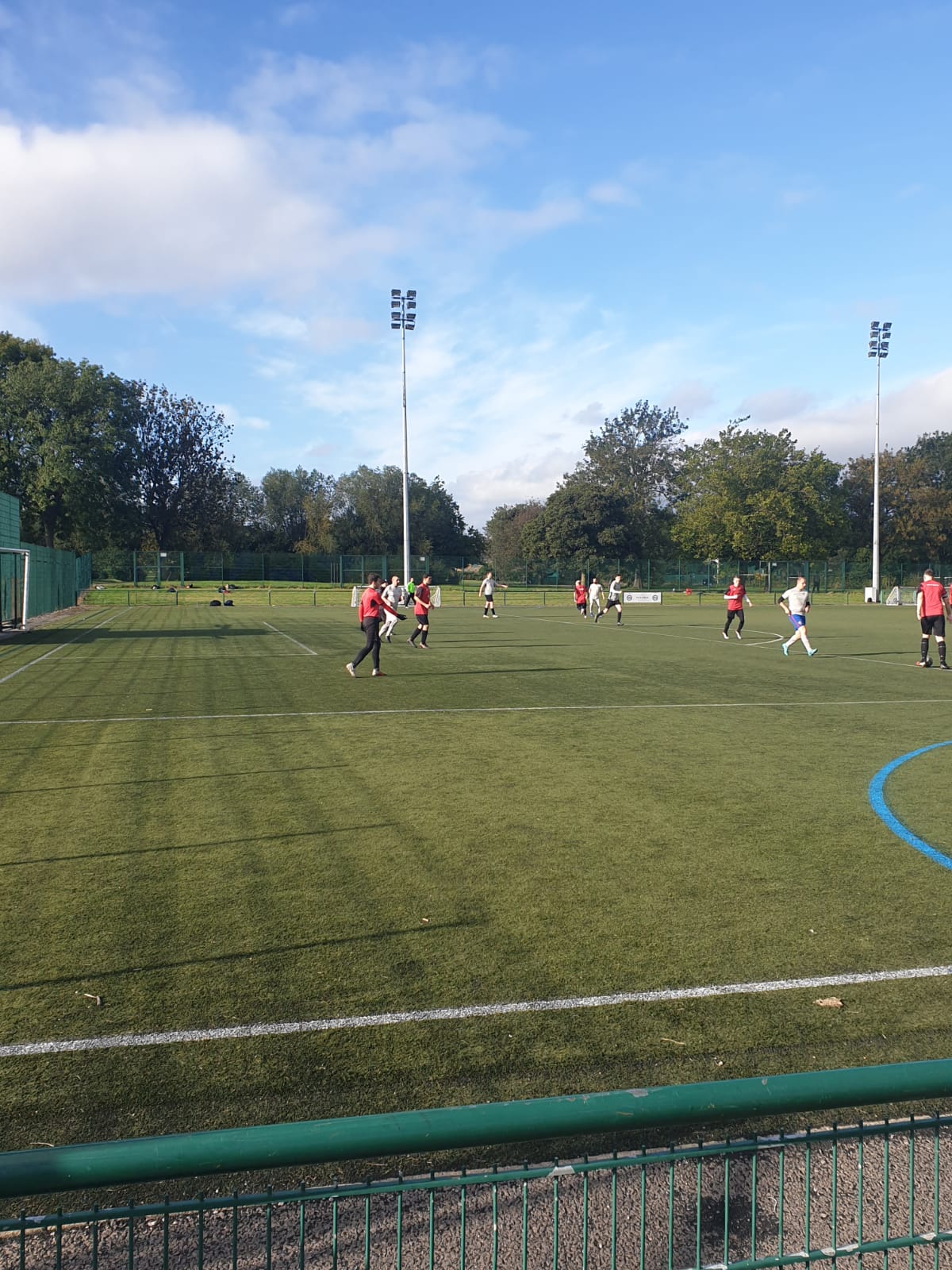
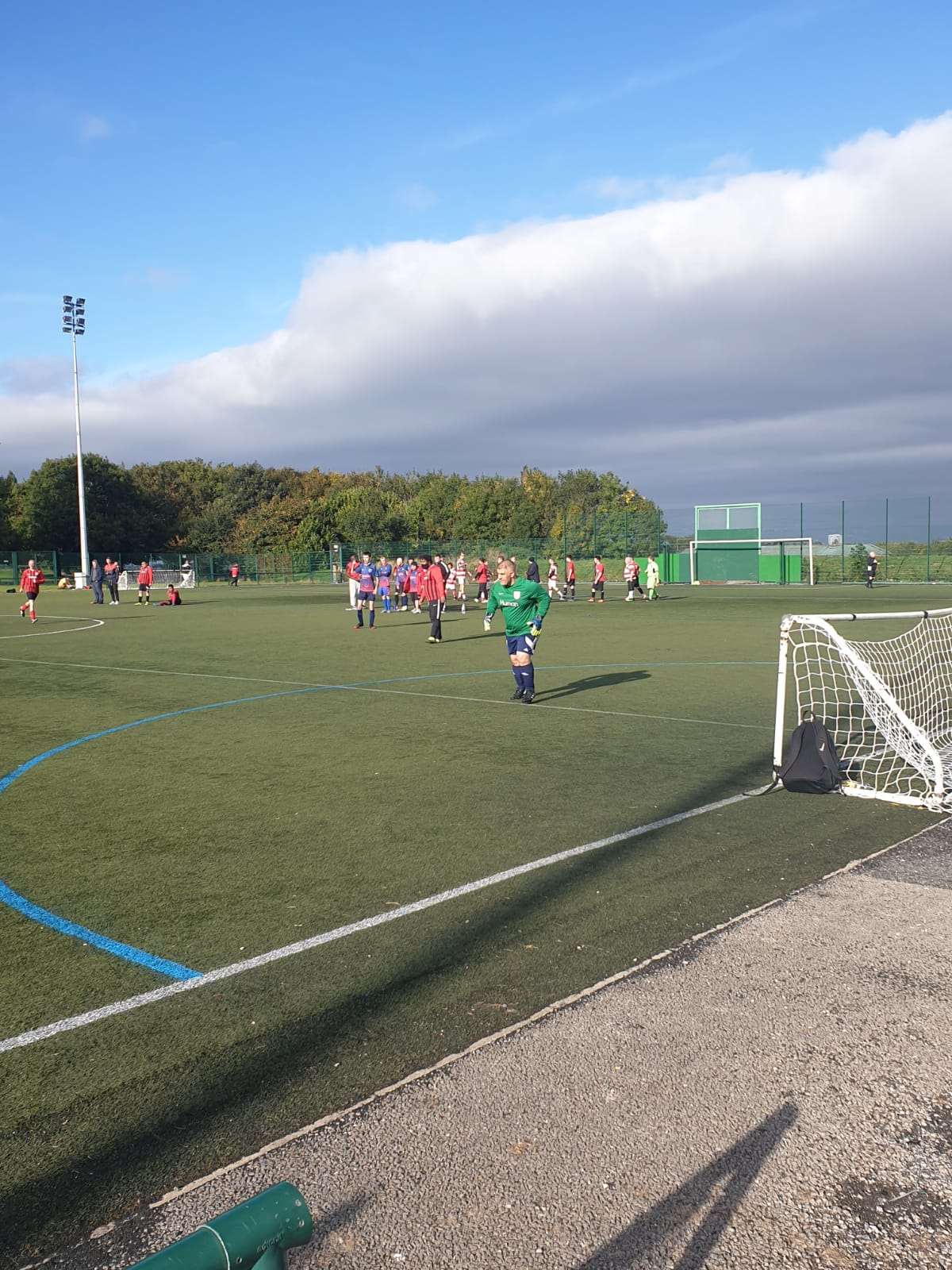
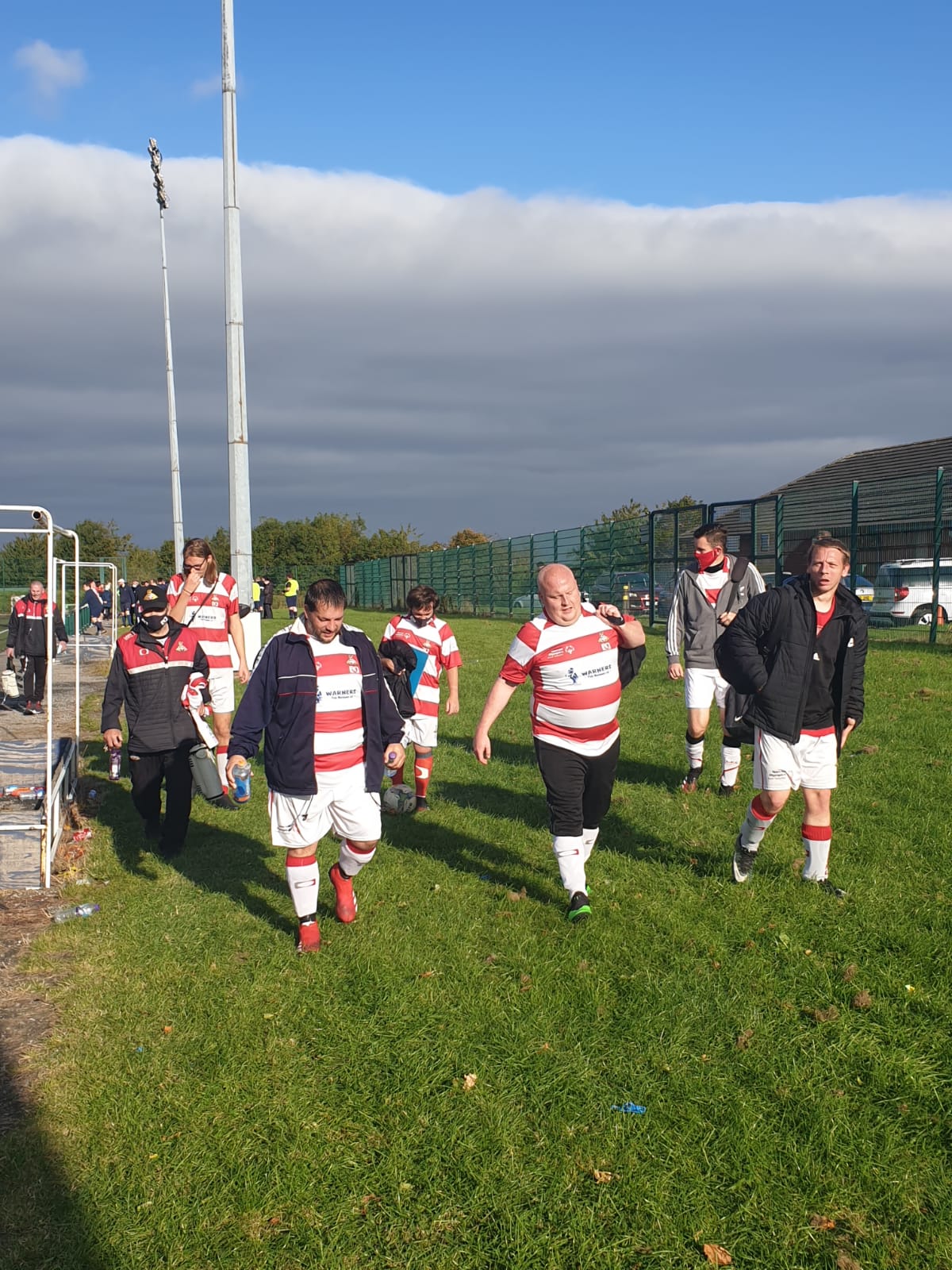
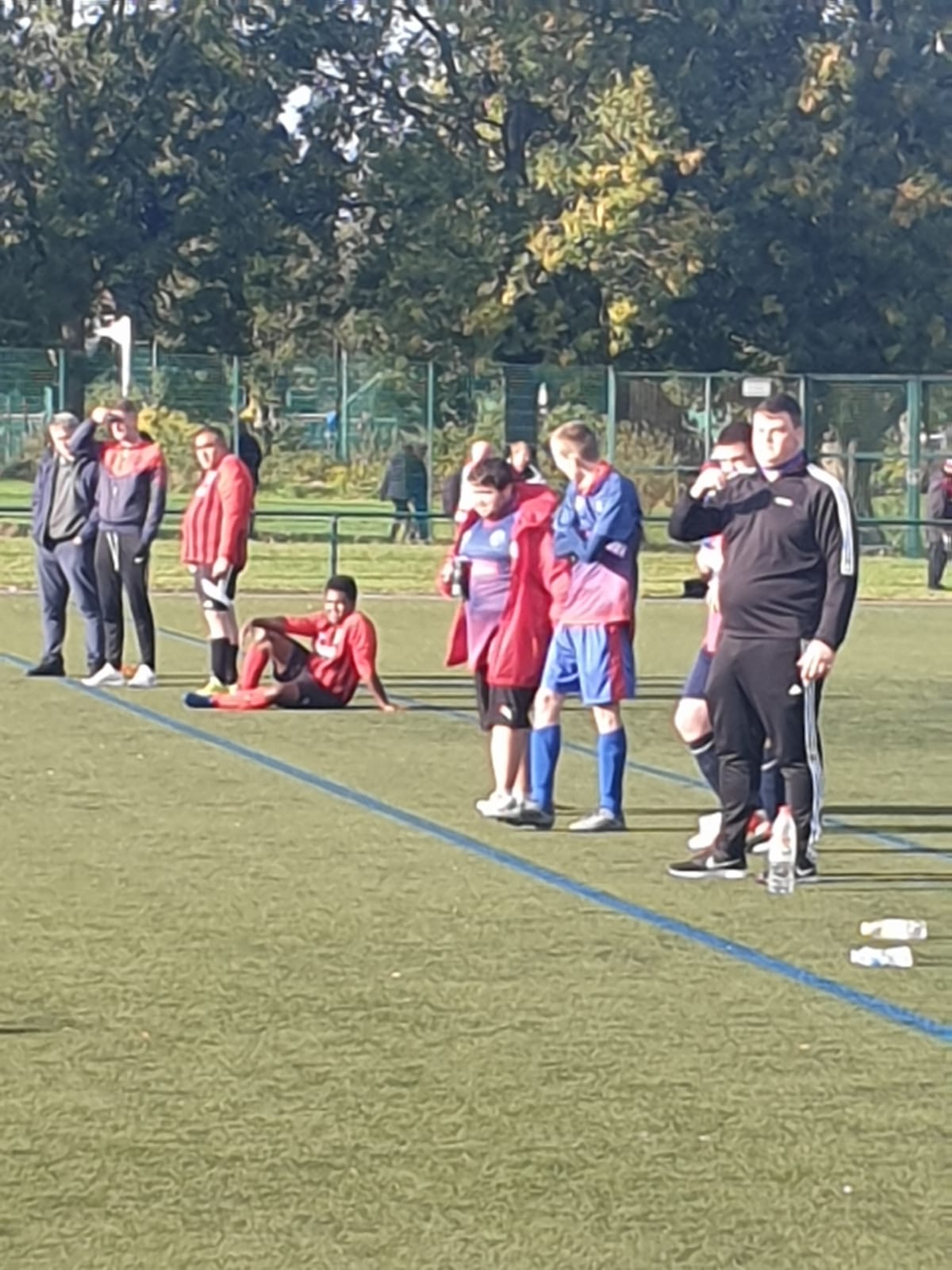
It was a thrilling return to competitive action for the seven-a -side Divisions of the South Yorkshire Ability Counts League at Concord Sports Centre in Sheffield yesterday, write Margaret Gregory and Colin Muncie for www.southyorkshireabilitycountsleague.com.
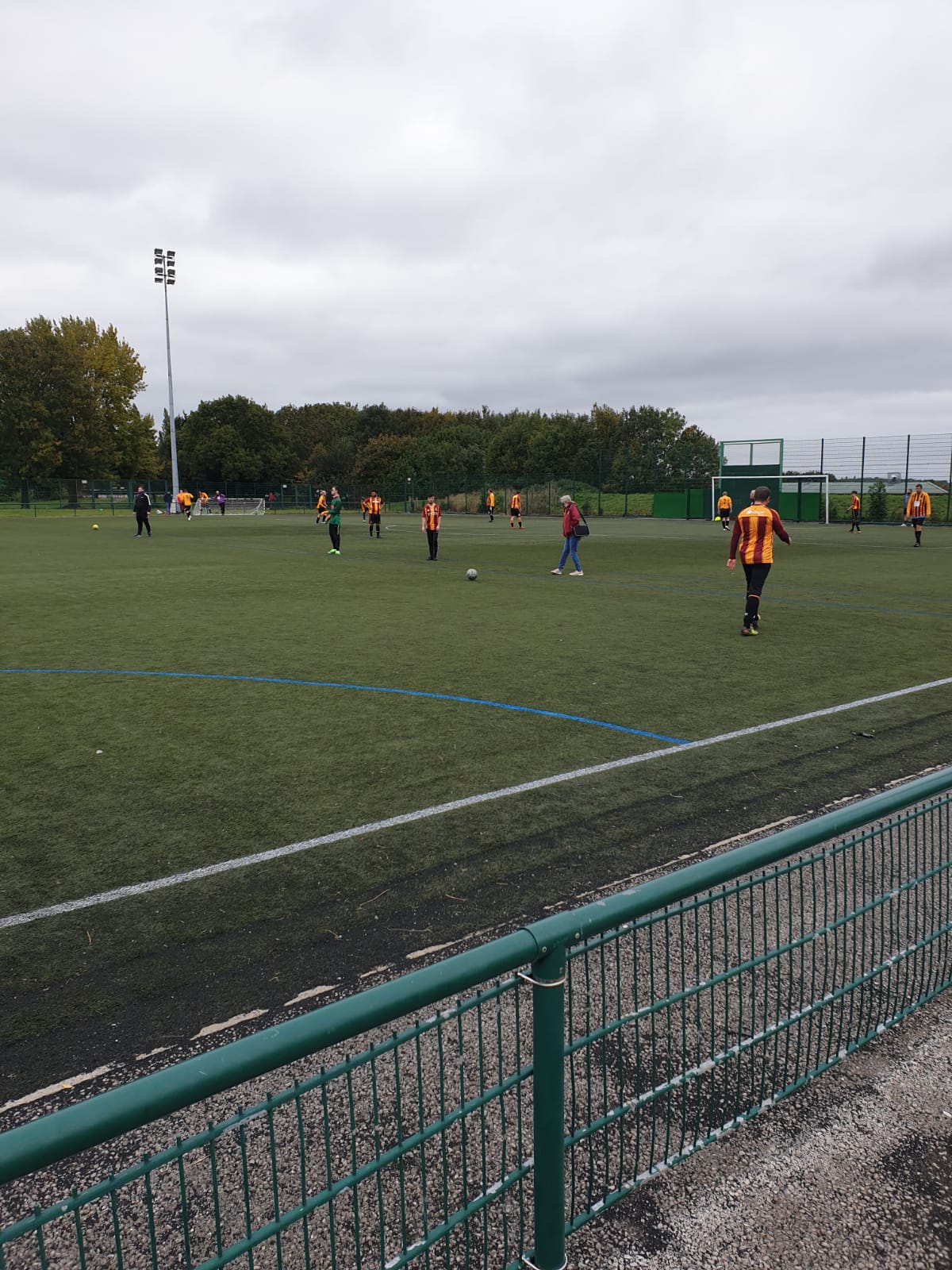
There were goals, thrills, great saves and crunching tackles on all three pitches as the players got back to business for the first time since the start of the year.
Every team – players and officials alike – complied fully with the comprehensive protocols put in place by the SYACL ahead of the matches. Every player had a temperature check on arrival; track and trace contact information were provided by all the clubs; and a one-way system had been introduced to minimise occasions where social distancing was not practicable away from the field of play. The procedures worked well during the afternoon; the only missing ingredient was spectators, and we all hope to see families, carers, and friends back at pitch side when it is safe for them to return.
The action started just before 1.30 pm and finished just before 5.00 pm on what turned out to be a sunny – if cold – Sunday afternoon.
In the Premier Division, the early leaders are City Knights Black with a win and a draw in two tough battles with Sheffield FC Black. Sheffield’s Scott Gregory told the website that these were “two closely fought and competitive Premier League games between Sheffield FC Black and City Knights, which resulted in a share of the points in the first game, and Knights winning by the only goal in the second game. It was great to be back playing again, with both games played in good spirit. For Sheffield FC, Carl Rennie and James Steers were on the scoresheet.”
Hot on the heels of City Knights are Club Doncaster Titans White with two draws on matchday one and Titan’s Darren Warner takes up the story. “In our White team’s first game, we started off sluggishly with Derek Dooley Sheffield United Kicks leading the tempo. We were caught out a couple of times through fast powerful breaks. It took a couple of substitutions to steady the ship, which then gave us the momentum, scoring our first from a lovely cross from Richard for Azza to head over the ‘keeper and into the net. This then spurred us on and with some beautiful passing Danny got the chance to slot it past the keeper to equalise 2-2.”
“In our White team’s second game against Sheffield FC Red, we started well in what was a close game for both teams.” Darren continued, “we took the lead half-way through the 1st half when Azza capitalised on the keeper blocking a shot and it dropping to Azza’s feet for him to slot it past the keeper. Sheffield FC Red didn’t give up though and put us under a lot of pressure; which eventually paid off as they equalised from a lovely long distance shot firing past our keeper to end the game level at 1-1.”
Sheffield Red and Derek Dooley Academy Sheffield United Kicks are also on the two-point mark. In addition to their draw with Club Doncaster Titans White, Kicks also shared the points with Sheffield Red. Sheffield Black have that single point from two clashes with the League leaders.
Premier Standings after Matchday One are: –
POS
TEAM
PLD
W
D
L
GF
GA
GD
PTS
1
City Knights Black
2
1
1
0
2
1
1
4
2
Club Doncaster Titans White
2
0
2
0
2
2
0
2
3
D.Dooley Academy Sheffield United Kicks
2
0
2
0
2
2
0
2
4
Sheffield Red
2
0
2
0
2
2
0
2
5
Sheffield Black
2
0
1
1
1
2
-1
1
In the Championship, it’s Aston Swallownest Red and Bradford City Amber who share the early advantage as both sides won both their games.
Bradford won both encounters with Wheatley Wanderers, who had such a successful season in League One last term. Wheatley’s Chris Pow summed up both games for the SYACL Website.
“Having gained promotion last season, we came up against a very good team today,” Chris told us. “We had a disastrous start, with a few of our players unable to play, but showed signs of improvement in the second half of our first game against Bradford City Amber.”
“In the second game, we started off vastly improved, and led the game twice. Frazer scored both goals, but we conceded a late goal and were unlucky to come away without a point.”
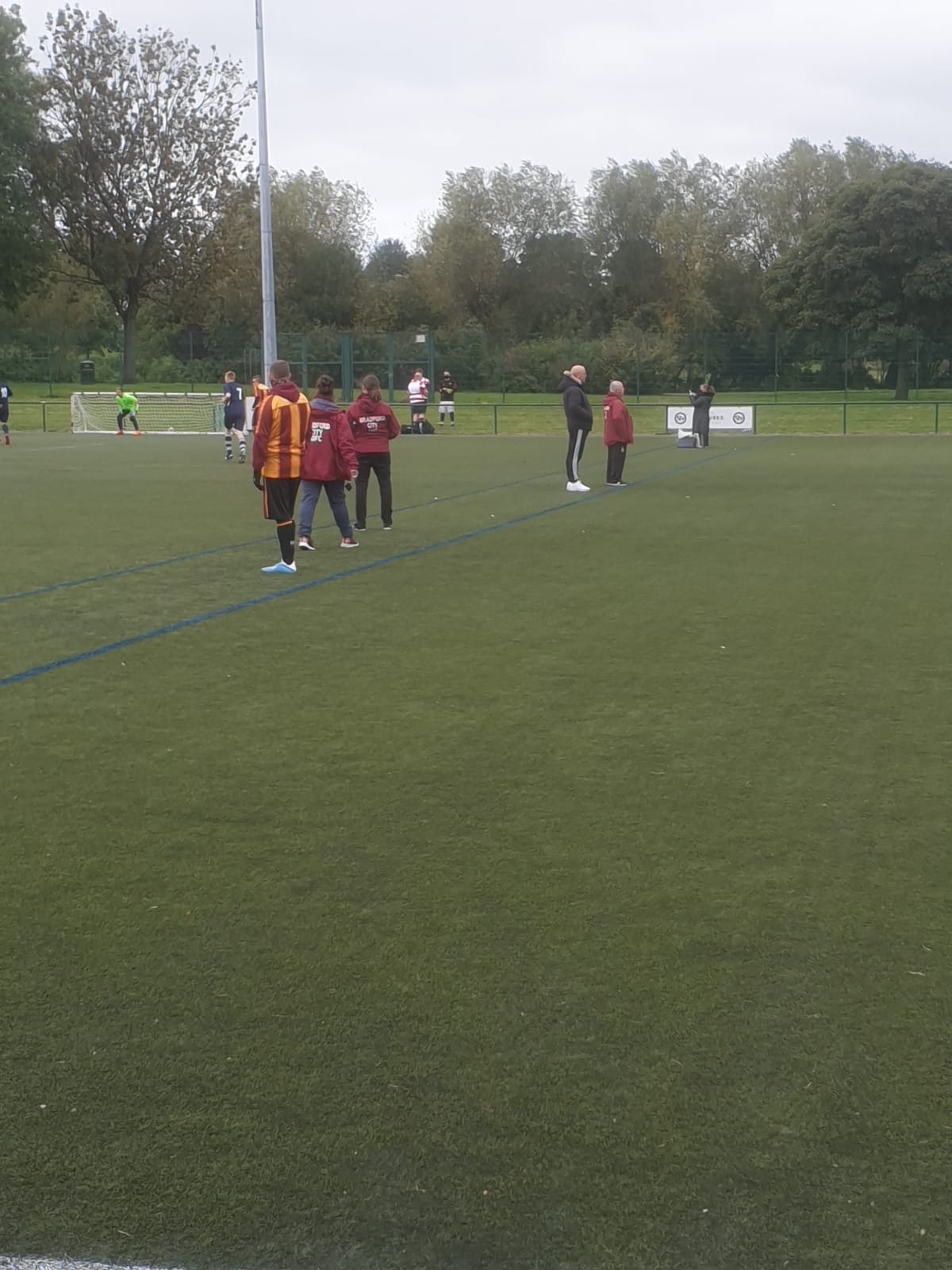
Bradford’s Paul Jubb gave us the Bradford perspective on a successful afternoon. “Today saw the start of the South Yorkshire Ability Counts 7 a side Championship League,” Paul told us. “The Ambers – who have dropped down a league to the Championship – won their first game against Wheatley Wanderers despite playing with 5 men most of the game!
“In the return fixture the Ambers started with 5 players, but Wheatley Wanderers took a 2-1 lead, so we had to bring on the 2 other players and managed to win 3 – 2 in a closer game.” Paul continued, “Jordan Pounder was the Man of the Day scoring in both games, and George Rhys, Henry Waudby and James Williams also hit the target.”
Aston Swallownest Red delighted coaching staff James Scally and Nathan Fox with a six-point haul from two wins against Brunsmeer Awareness and Derek Dooley Orange, and they share the early lead in the table.
Brunsmeer Awareness and Derek Dooley Orange shared the points after a 1-1 draw, so both sides finished the day on one point each.
Championship Standings after Matchday One as follows: –
POS
TEAM
PLD
W
D
L
GF
GA
GD
PTS
1
Aston Swallownest Red
2
2
0
0
2
0
2
6
2
Bradford City Amber
2
2
0
0
2
0
2
6
3
Brunsmeer Awareness
2
0
1
1
1
2
-1
1
4
Derek Dooley Orange
2
0
1
1
1
2
-1
1
5
Wheatley Wanderers
2
0
0
2
0
2
-2
0
In Division One, which is made up of six clubs, Bradford City Blue lead the way after two wins.
“The Blues who have dropped down a league to League 1 won their 1st game 3-1 against Aston Swallownest Blue,” Bradford’s Paul Jubb told us. He continued, “Ethan McLaren and Dale Smith [with two] scored the goals – they were spectacular ones too!”
“In the return fixture the Blues went down 1-0 due to some bad marking up in defence, but in the 2nd half a goal from Luke Baxter and two more screamers from the Blues, Man of the Day, Dale Smith sealed another 3 1 win!”
“A big thank you to Mark who plays for the Diamonds and helped out the team after three players dropped out!” Paul added.
In hot pursuit are Club Doncaster Titans Red after they started their season with a win and a draw on Matchday One. “It was a great start for our Red team getting off to a 2-0 win over new boys Bradford City Clarets,” Doncaster’s Daren Warner told the website. “The first goal coming from a Bradford City goalkeeping slip, providing our striker a with a golden opportunity to put us 1-0 up. Bradford were chasing the game then and it gave us the opportunity to score our second.”
“I didn’t see their second match as I was watching our White team,” Darren explained, “but I understand it was a great close game ending in a 1-1 draw with City Knights Blue.”
Here’s Bradford’s Paul Jubb on the first seven-a-side matchday for his Claret side, “The Clarets – who have moved up from the 5- a- side Premiership Division lost their first game 2-0 against Doncaster Titans Reds. The lack of playing together as a team made it hard.”
“In the next fixture against City Knights they again went down 2-0 almost immediately,” Paul told the Website, “but this time – by sticking together as a team and not letting their heads drop – they came back to draw the game 3-3 with goals from Stuart Thirkill, Eddie Ratcliffe and Tyler Halstead who was Man of the Day.”
“A big thank you to Lou Rushworth and Katy Greenwood for managing the team!” Paul added.
Two draws for City Knights Blue sees them on two points in the table, above Bradford City Claret on one point. Aston Swallownest Blue and Sheffield FC White will be anxious to get off the mark on Matchday 2.
Division One standings afterMatchday One as follows: –
POS
TEAM
PLD
W
D
L
GF
GA
GD
PTS
1
Bradford City Blue
2
2
0
0
2
0
2
6
2
Club Doncaster Titans Red
2
1
1
0
2
1
1
4
3
City Knights Blue
2
0
2
0
2
2
0
2
4
Bradford City DFC Claret
2
0
1
1
1
2
-1
1
5
Sheffield White
0
0
0
0
0
0
0
0
6
Aston Swallownest Blue
2
0
0
2
0
2
-2
0
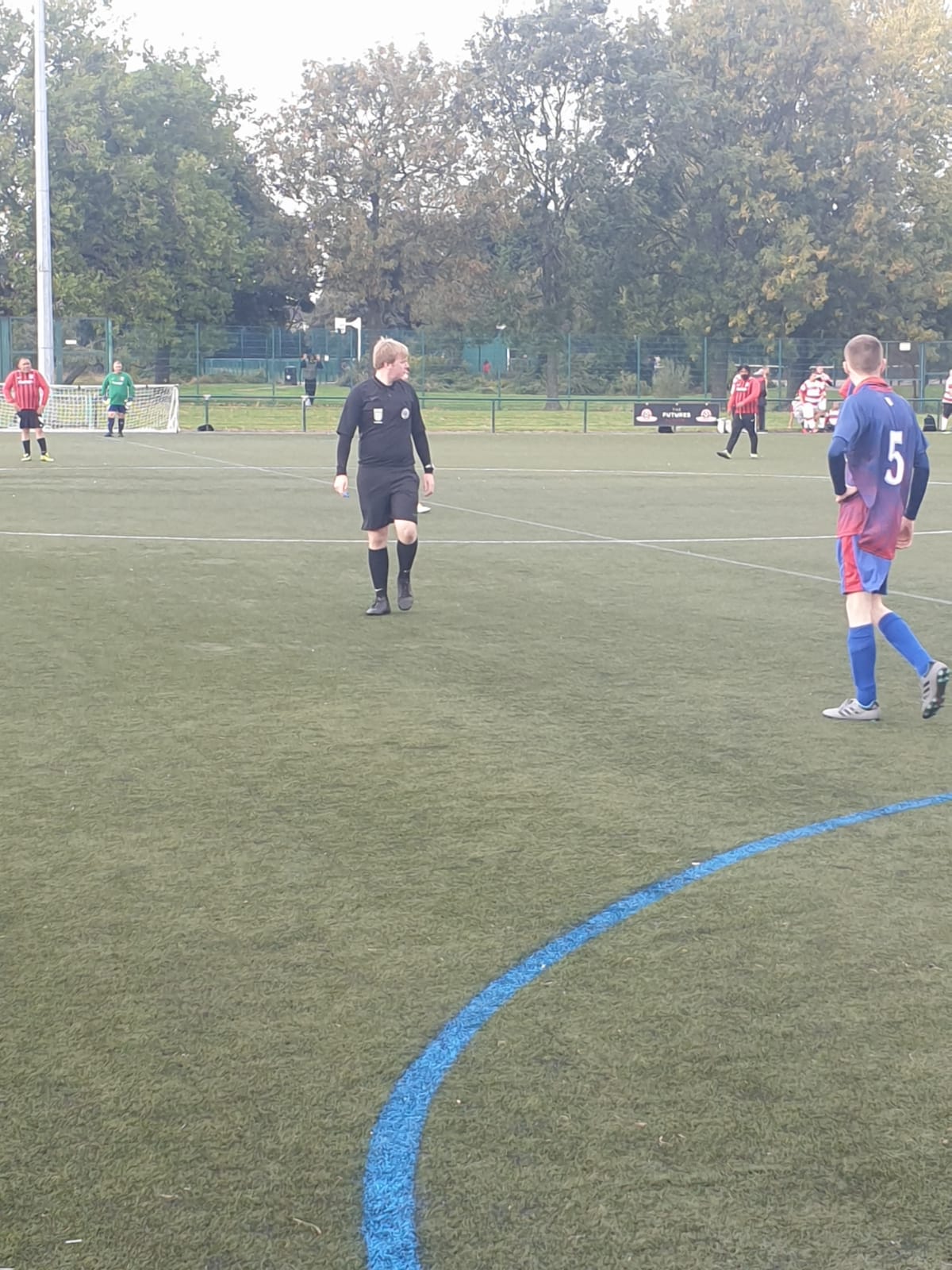
A word of thanks to our brilliant referees – Sean Wright, Gary Barlow, and Jack Duke on a successful restart for the SYACL.
Next up, it’s the turn of the 5-a-side clubs to get back to playing action. Stay tuned to www.southyorkshireabilitycounts for the latest news, features, and reports.
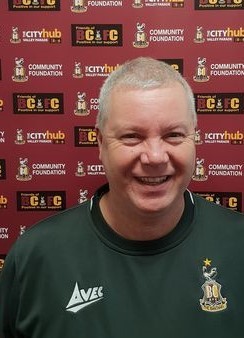
SYACL: Paul, you’ve recently stepped down from your role as a senior coach at Bradford City Community Foundation. Please tell us about your history in football and with the Bantams?
PJ: Like most kids I always wanted to be a professional footballer and I spent most of my childhood playing football at Bradford Moor Park. At 16 my mates and I decided to join the local floodlit league and I ended up being the player/coach/manager for the team! I was a builder but always played football at the weekends, just for local pub teams but always enjoyed the friendships that football brings.
I retired from playing due to injury and having kids of my own, I took my son Adam to the local junior team Wyke Wanderers and volunteered to help coach one of the under 7’s teams.
Then after losing my building job because of the recession/shortage of work I saw an advertisement in the local jobcentre for a community football coach at Bradford City [we were in the Premiership at the time]. Luckily Ian ‘sticks’ Ormondroyd an ex-City player & legend, decided to give me the job.
SYACL: Looking back on your career with the Foundation, what are your favourite memories and what have been your proudest moments?
PJ: Obviously, my work in disability football, although I like to think I’ve made a lot of mainstream kids happy when I coached them too. I have always tried to make my sessions fun and enjoyable and I like to make sure that everyone gets a fair chance to play whatever their ability or disability. I used to get kids calling me ‘small/tall Paul’ and I’ll always be known for getting the kids singing “who let the dogs out” when we were warming up to play.
I used to do lunch time clubs and after school clubs at Primary Schools; I think I must have worked in every school in Bradford. We also did penalty shootouts with Billy Bantam & soccer camps in the school holidays!
I have done projects for ex-war veterans and various gents clubs, taking them out for day trips and giving them something to look forward to.
I’ve coached mental health players at Mind and even got them into the West Riding disability league and they got to play on the pitch at Valley Parade at half-time.
I like to think I’ve made a difference to a lot of different peoples’ lives for the better and there’s no better feeling than that!
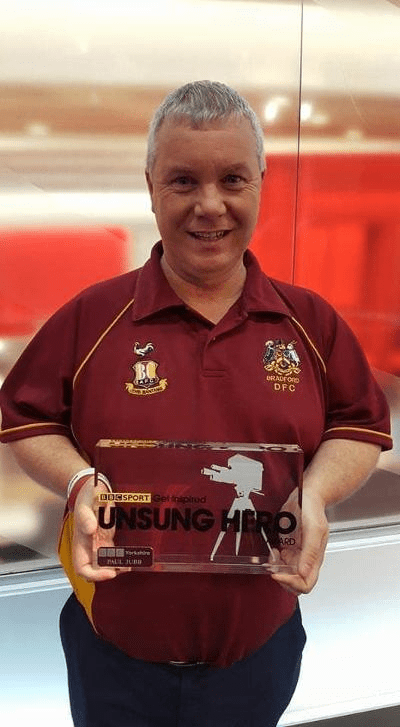
Winning the BBC’s Unsung Hero for Yorkshire in 2015 and appearing on Sports Personality of the Year were my proudest moments by far. The previous year I won Unsung Hero at Bradford City AFC player of the year awards, among various other awards.
SYACL: Tell us a little about Bradford City’s Disability teams and how you became involved with them?
PJ: I was asked by Ian Ormondroyd if I would be interested in coaching at Bradford Disability Football club on a Sunday morning. I’d already started coaching in disability schools across Bradford and thought it would be good to volunteer for them. I was made head coach and did some amazing things with the club.
We went to Hamm in Germany most years and we even played the German National disability team in front of 3,000 school kids. Ok, so we lost 22-0 but the smiles on our players faces when they received their medals, you would have thought we had won 22-0!
We played in the Special Olympics at Leicester representing Yorkshire and Humberside where we won silver and bronze medals and I won the Managers fair play award.
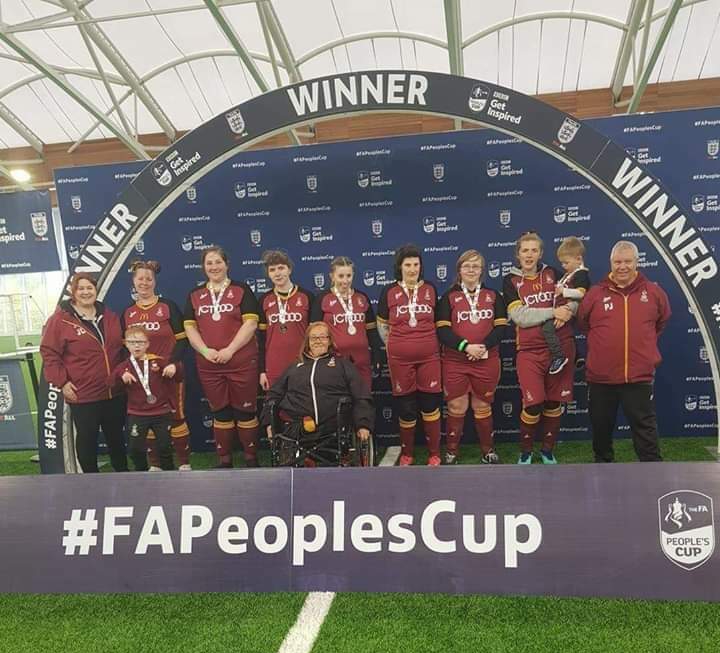
We reached the finals of the 1st ever FA People’s Cup in Manchester and we won lots of League titles in the West Riding Ability Counts Leagues.
We took the juniors all over the country; we played Liverpool, Chelsea Man Utd disability team’s and played regularly on the pitch at Valley Parade. The players loved it; it was as exciting as Wembley to them
I spent 16 years with them and we did so many amazing things, but I always wanted to do more……
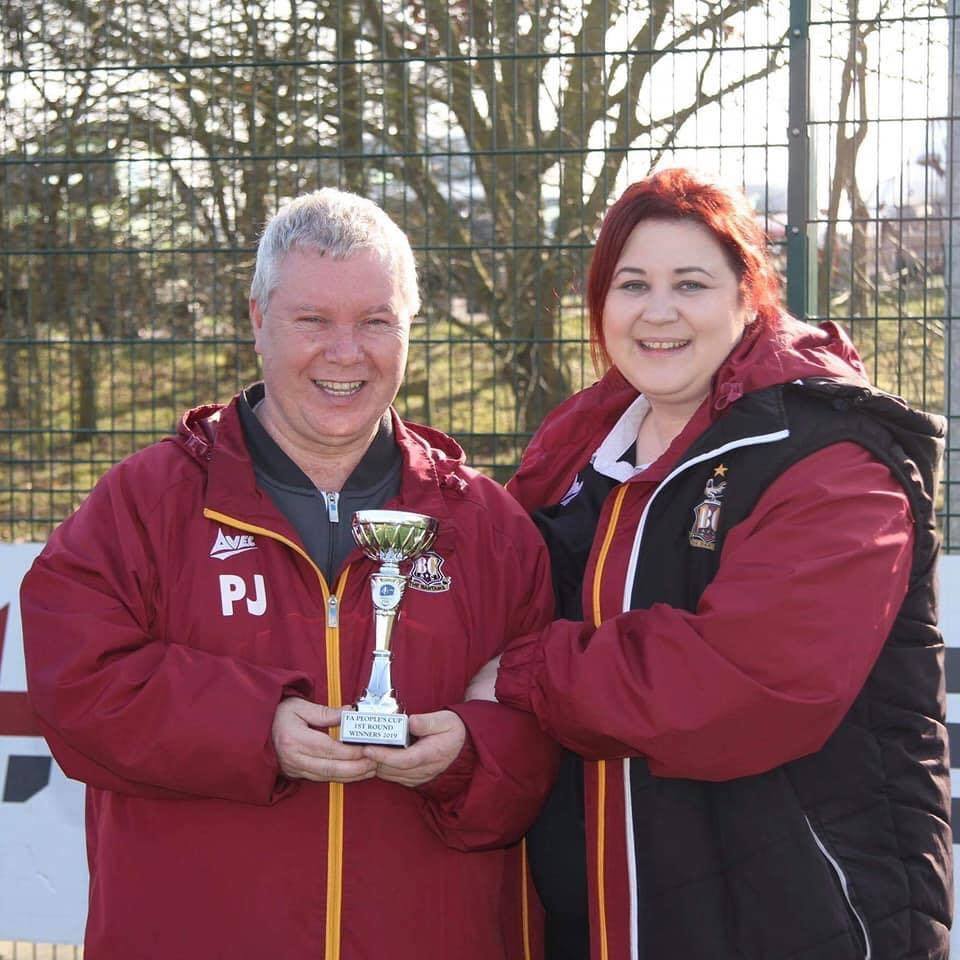
Paul Jubb & Jaimie Dorward
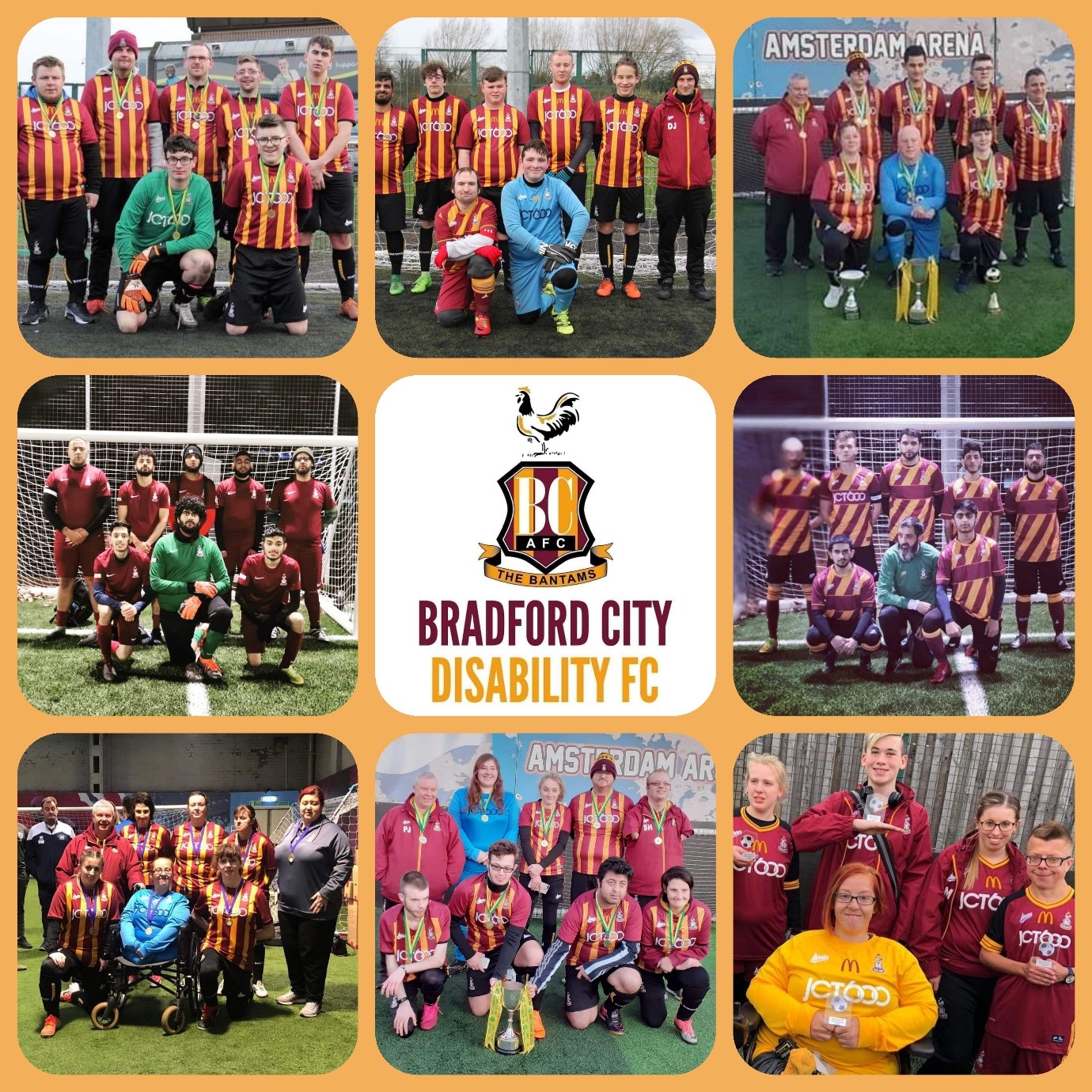
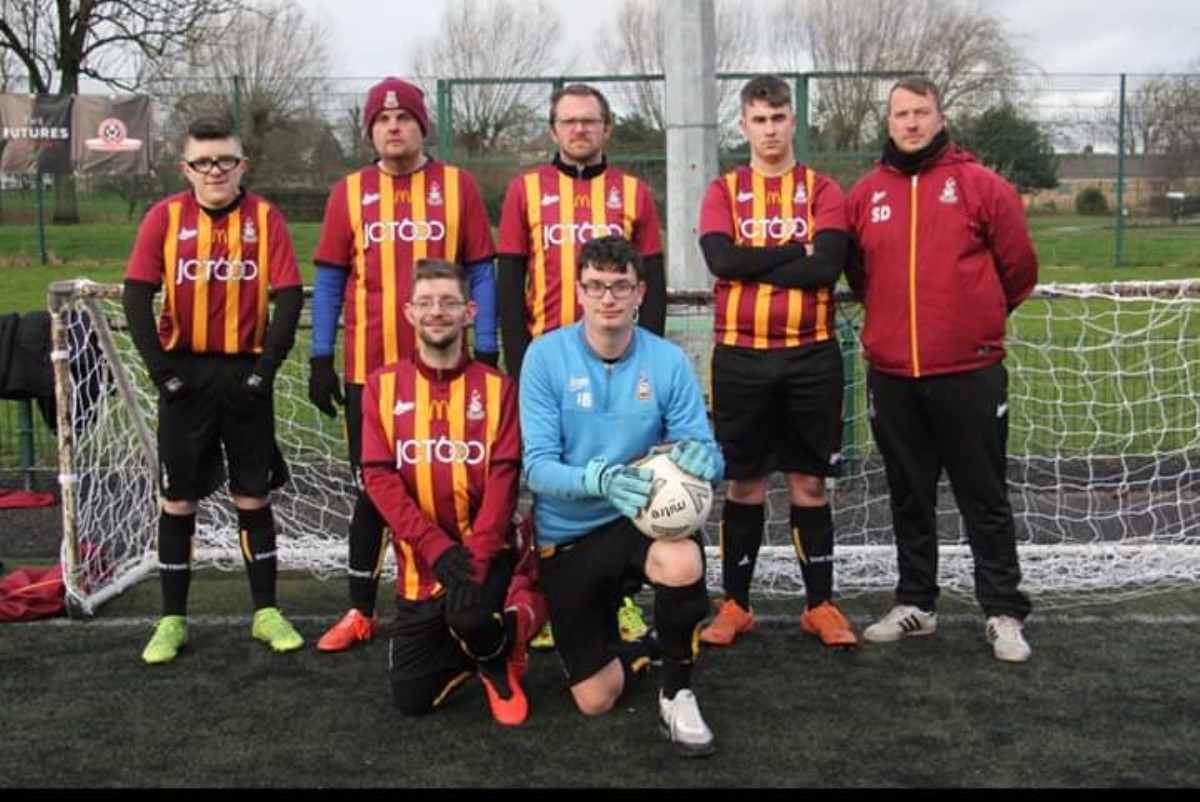
So, I set up Bradford City Disability FC in 2017, with the help of Jaimie Dorward and our group of volunteers. I have always loved being part of the Bantams family as it is called. The players love to wear the same kit as their hero’s at Bradford City, even players who are not City fans wear it and have a soft spot for the club.
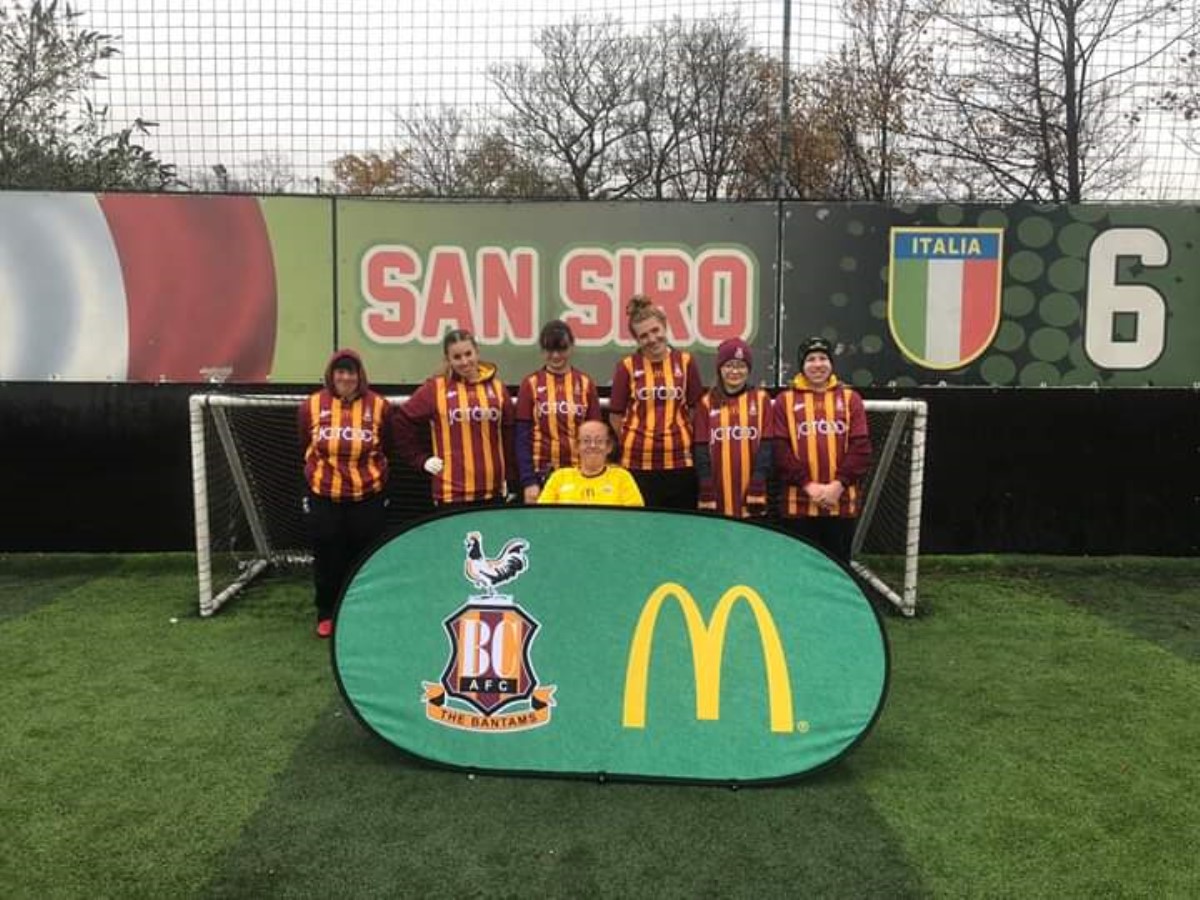
We have grown so fast in such a short space of time. We have 7 adult teams including 2 women’s only teams; an Under 16 team and 3 under 12’s teams. We even have an 11-a-side deaf team now in the National Deaf League.
Our ladies’ team have reached the FA Peoples Cup Final twice.
Our Under 16’s made the semi-finals twice too.
We take teams to Rigtersbleek in Holland every year and play in various tournaments throughout the country.
We won the Under 16’s Chelsea AFC tournament & the adults played on the pitch at Stamford bridge!
Our Claret team won the treble last season in the South Yorkshire Ability Counts League.
The Diamond’s won the 5-a-side Championship the season before and the Blue’s won the 7-a-side League.
The list is long and will go on, I’m sure.
Someone once said to me disability football is your life because you haven’t got a life!
But being part of disability football is the best life anyone could wish for!
SYACL: As an experienced and respected coach, what do you think are the most important factors in coaching disability footballers?
PJ: The other week I had a call from a team in Cameroon, they wanted to send a couple of young coaches to learn how to coach disabled footballers. I was obviously flattered that they asked me, but I told them there’s nothing special about coaching disabled footballers.
Yes, you have to have a lot of patience and compassion for your players but, every player disabled or not has different needs.
Every football team in the world is the same, all the players have different abilities and qualities, even professional teams are mixed ability.
The FA teach us to assess the needs of each individual and allow for that in the sessions. For example, the higher ability players will shoot from further away or with their weaker foot; and lower ability players might need to shoot closer or with no goalkeeper. Any good coach will naturally do this. The main thing is that the players enjoy themselves and want to come back the week after.
SYACL: You’ve achieved so much in the game. Do you have any more targets in your mind?
PJ: I am always wanting to start new projects. I would like to start a junior deaf team or a Down Syndrome only team and maybe walking football teams.
I can’t wait until life gets back to normal and we can take our players on trips and tournaments again and go back to Holland.
We can restart our social events, presentation nights, Halloween, Birthday & Christmas parties etc.
Watching Bradford City home and away as a group.
Like I said, “disability football is my life and I miss it”.
SYACL: What would you say to anyone thinking about getting involved with the SYACL?
PJ: We entered the South Yorkshire Ability Counts League 3 years ago; it’s run by Mike Stylianou & Darren Warner and all the teams have been great with us!
We have made lots of friends and always look forward to the League games and Cup competitions. We have won a few Leagues and Cups, but we have also lost a few finals and come bottom of a few too!!
The League is well organised, all the players have to prove their disability; the teams play at their own levels and use the right facilities for the appropriate teams.
The higher levels play 7-a-side on bigger open pitches, while the lower levels play at Goals Soccer Centre’s pitches. Because the pitches are enclosed this ensures that the ball stays in play most, if not all of the time, giving the players a chance to get plenty of touches.
I would definitely recommend it, as I said before Mike and Darren are great people, all the teams are friendly and the South Yorkshire Ability Counts League has football for every level of disability football.
Anyone interested in being part of our amazing club check out our Website/Facebook page.
As already mentioned at our Zoom meeting on Monday, we are asking all teams to meet outside the pitch area in the car park; and not go into the main building reception area@ Concord Sports Centre on arrival.
We will collect the team lists of names & contact numbers from your lead person, so no QR scan codes will need to be used.
We are discouraging all our league members from using the front of the main building and only to use the toilets at the back , next to the car park facing the pitches.
Please do not assume any changes to our requests, the league will always inform you all of any changes to our match day requirements.
This is to be passed onto all your Club participants.
We are sorry about all the organisational stuff, but I am sure you all want your child to be safe. We are certain that if we all follow the guidelines, that the venues have put in place, and the extra provisions we as a League have put in place, we can make the afternoon as safe as possible.
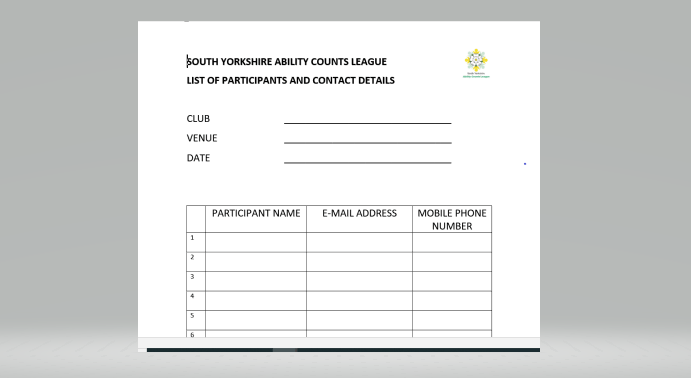
A signup sheet must be provided by each club to Mike or Colin on check-in at the venue on Sunday, this is the document we propose to use below.
A template will be sent to each club in order that you can come to the venue with the information already filled in.
You’ll note that it has space for email and mobile number as well as name.
We don’t require both but we must have a mobile number as a very minimum.
We will destroy this information after 14 days, which means we will require a new sheet for every matchday.
Colin will bring spare copies in case you guys lose one or forget, but it is obviously the responsibility of team officials to ensure that the information is complete, so run yourself off a copy or two for use on the day. We’ll provide a plastic wallet to retain them confidentially.
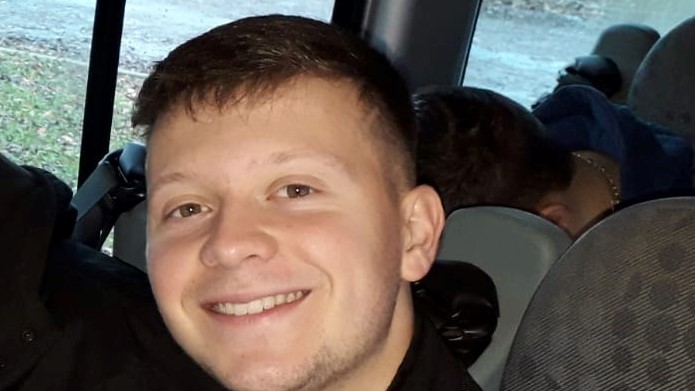
Today we are speaking to young coach Jack Larissey.
Jack Larissey
SYACL: We asked him to tell us a little about himself – including anything that might surprise some people, and what aspects of football he is involved in now.
JL: I am 20 years old and live in Herringthorpe Rotherham; after attending St Bernard’s Catholic High School I moved on to an apprenticeship with Rotherham United Community Sports Trust where I learnt about disability football.
I love watching, playing and coaching football as its something I am passionate about and I make sure that I give the best of my ability in everything I do. I support Sheffield United as they are the only team in Yorkshire.
I have been working for Social Eyes day service for adults with learning difficulties including autism for over a year now as a carer/sports coach, which again is a new experience for me as I am involved in many different activities and not just sport. Although a challenge I am loving the involvement and it is shaping my development as a young person.
I was initially unsure about coaching in disability football, as it was totally new to me and something I thought I didn’t want to carry on doing. However in my 2nd year I felt like I gained confidence in my coaching; I learnt patience and built strong relationships with players and parents; which after each session I did, I would come away thinking – I have done good for others.
SYACL:How long have you been involved with football in general (RUCST included) and with Disability football in particular?
JL: I have been involved with football since I was 12, playing through the Junior Leagues with Rotherham Town and then becoming a referee from 16-18 years age, as a little earner. At 18 I joined Swallownest U’21s for a year before joining the Royal Oak team based in the Imperial League, for which team I am still playing.
I was with RUCST for 3 years before having the opportunity to come and work for Social Eyes, which has been one of my best decisions in my life in terms of my development.
I have been a part of coaching disability football from 16 and I have learnt what I know from my former colleague and friend Jack Pitchford.
SYACL: How long have you been involved in coaching?
JL: At 15 I was helping my dad run his football team, so I would say I have been involved in coaching for over 6 years now.
SYACL: What are the major differences to coaching disability footballers; and are there any special techniques or routines that you use?
JL: Patience in abundance is needed as you may have to repeat yourself many times to get the message over; with many repetitive demonstrations. Also I aim to keep the sessions basic and not over complicated; and make sure that they are fun based. As regards to the techniques and routines, I try to keep what I say short and sweet when it comes to explaining the pathway of each session. We begin each session with laying down the ground rules on how the session is expected to progress, e.g. especially behaviour wise.
SYACL:What would you say to anyone thinking of becoming involved in disability football?
I would say it’s a great thing to get involved in as you are helping others to achieve, which is up there with one of the best things you can do as a human being. If it’s your first time getting involved in a disability team, set your rules in place, stock up on patience because in the long run it will all be worth it.
SYACL: What are your ongoing ambitions for the years ahead.
JL: I am hoping to one day maybe go abroad for a year to experience disability football out in the wider world and get involved with other teams. After gaining more coaching hours under my belt, I will apply for my UEFA B to widen my knowledge as a coach and use the ideas involved to progress my disability team. I want to keep moving forward and widening my knowledge of the game and become the best person I can.
SYACL: We started by asking him to tell us a little about himself; including anything that might surprise some people, and what he is doing now.
JP: I’m currently working at an SEN school in Rotherham where I have been since I left RUCST in 2018. It’s an amazing school which puts the kids first; and also helps in building relationships with young people who haven’t had a fair start at life, which is very rewarding.
SYACL: How long have you been involved with football in general (RUCST included) and with Disability football in particular?
JP: I’ve always been involved in football from as young as I can remember, my brother and I spent hours of our childhood kicking a ball on our local park with our mates. As a kid I played in goal for my local Sunday league team, however due to my hearing loss I was eligible to play disability football in the Junior Disability League. From the age of 11 I went to Steve Adam’s session every Sunday afternoon (usually running off the pitch to my dad’s car straight after my Sunday league game to get to training on time) where Steve and his amazing team Dawn Wood, Russ Ingram and Gibbo made me enjoy football and opened many doors for me in the sport. When I turned 16 I played a season for the Derek Dooley team who were in the top league of the Ability Counts League and we had a very strong, young group who loved playing for Steve and Dawn.
Steve Adams made me love coaching; seeing how much he enjoyed it, and how much he made me enjoy his sessions. It inspired me to do the same when I was in my last few years of Comp. During year 11 I decided I wanted to become a football coach so I applied to be an apprentice at RUCST where I gained my level 2 qualification in coaching football when I was 17 and had my first experience of working in SEN schools.
One week I was asked by a coach at RUCST to help out at their disability football session at Wickersley School on the Saturday morning. I started coaching the younger players, but I remember feeling very annoyed that we only had 5 or 6 players there. This gave me the drive to improve the amount of kids we had accessing our session in Rotherham as I wanted to set up a specific pathway from under 12’s to under 16s and adults football at RUCST.
After a few years at Rotherham we had successfully grown the club, having two under 12 teams, an under 16s team and two adults teams playing in the SYACL.
I was also very fortunate to meet Claire Hobson during my time at Rotherham, we’d met during her days at Oaks Days Centre and she got in touch about setting up a football team at Social Eyes. We worked with Sam Firth at SHCFA where we managed to secure some funding for me to coach the team for 6 weeks and prepare them for their first ever season at SYACL. Again, one of the many rewarding times of being involved in disability football.
SYCAL: How long have you been involved in coaching?
JP: I first started when I was about 15, I went and volunteered at RUCST’s summer holiday camps, just to gain experience and see what it was all about. I then started coaching an U8’s team called Valley Juniors with a coach called Scott, as I needed experience whilst taking my level 2 qualification, so Scott said he’d like someone to help him out at training. Fortunately I’m still involved with this team who are now under 13’s and playing some beautiful football in the A division. I also had a great experience coaching in California for three months in 2017.
SYACL: What are the major differences to coaching disability footballers, and are there any special techniques or routines that you use?
JP: I don’t think there are many major differences apart from understanding everyone’s needs. My main aim for the ability counts teams that I coached was that they enjoyed training on a Saturday morning, as competitive as they were, I wanted them to grow as individuals who were confident playing and had a smile on their face.
A lot of the kids who started coming had no other team to go to simply because they had different needs, so it was building a team from individuals who were low in confidence, had never played before and just wanted to feel part of something.
I think patience and understanding them is key, giving them time to collect their thoughts and making sure everyone is included no matter their ability.
SYACL: What would you say to anyone thinking of becoming involved in disability football?
JP: I’d tell them to get involved or they will regret it! It opens your eyes and you see the world in a different way. The sense of belonging and seeing the pride in their faces when they turn up to training every week in their kit is the most rewarding thing you can see. Even to this day, some of the kids who I used to coach are still close friends and to see them and their families outside of football together makes everything worthwhile.
SYACL: What are your own ambitions in the years ahead.
I’m currently studying a degree at the Open University alongside my work, as my aspirations are to become a teacher in the future at an SEN school.
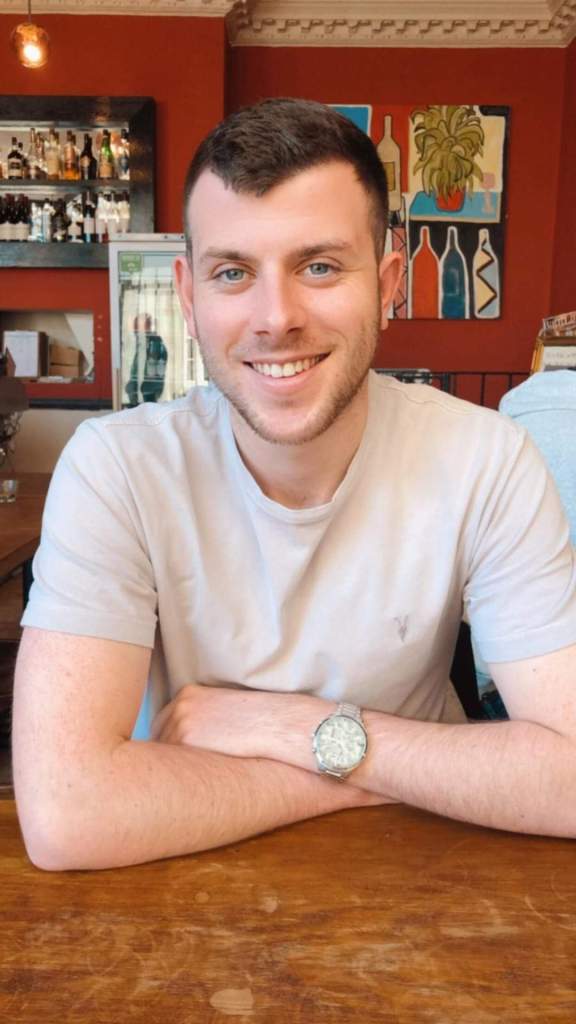
The SYACL Website talks to Referee’s Secretary Sean Wright
Sean Wright
The SYACL is no different to any football competition; the referees are a crucial element of what makes our League so special… and the Ability Counts League is lucky to have Sean Wright (pictured) on its organising Committee.
Sean is the man who organises the officials for the five-a -side and seven-a-side fixtures. We wanted to know a little more about our Referee’s Secretary – who has been a referee for over 20 years.
As always, we started by asking Sean to tell us a little about himself.
“I’m 53 years old and I live in Sheffield and have been involved in football since I was at school and used to play for the school football team. When I went to Shirecliffe College in Sheffield I played for the college football team and also Great Longstone and Dronfield in the Hope Valley League: plus Iplayed in a 5-a-side League on Thursday night for a team called @The Fat Boys.‘
A Sheffield United supporter: I also referee at Sheffield United Academy plus watching Hallam FC as well.”
SYACL: When did you take up refereeing?
SW: “I started refereeing in 1997 after I had stopped playing, I decided that I wanted to put something back into football – I was also extremely critical of referees at the time! So, I thought ‘why not give it a go’ to see what it was like.
I enrolled on the referee’s course, which was only £10, and passed. It surprised a lot of people at the time that I wanted to become a referee!”
SYACL: When and how did you become involved in disability football?
SW: “I became involved in Disability Football in 2000. Brian Peck – who was working at the Sheffield FA at the time – sent out an email asking for referees who might be interested in getting involved in refereeing disability football. I got in touch with him and the first game I refereed was an 11-a-side game between a team of amputees, so they were all playing football on crutches.
They were so very skilful and fast: a real eye opener – and the game was extremely enjoyable.”
SYACL: You are currently the Referee’s Secretary on the SYACL Committee. Tell us a little about what is involved, and some of the challenges the role presents.
SW: “My job as Referee’s Secretary involves appointing the referees to both the 7-a-side and 5-a-side Leagues that we run. The main challenge in the role is ensuring that we have referees that I can rely on – which we have – and for the referees to know how to referee participants with a range of disabilities.”
SYACL: Tell us about the differences between refereeing disability football and mainstream football.
SW: “I find that the main difference between refereeing disability football and mainstream football is that the need for common sense and good player management is even more important in disability football. I take into account what disabilities the players have and I also believe that talking to players in a calm manner helps to calm them down.
If for instance a player in mainstream football shows dissent then they will now be sin binned; but if it happens in disability football I will talk to the player and also ask the coach to take him/her off to give the player some time to calm down. I allow them to bring on another player to replace the player who has gone off.”
SYACL: What would you say to anyone interested in becoming involved in refereeing disability football?
SW: “To anyone wanting to get involved in refereeing disability football, I’d say give it a go! It’s very rewarding and enjoyable to referee.
The main thing for me is that the players enjoy it and so do you, as the referee.”
The SYACL Website would like to thank Sean for talking to us, and wish him every success in the forthcoming season.
The South Yorkshire Ability Counts League features three pan-disability Leagues who play their fixtures at Concord Sports Centre, and three Leagues of participants with mild to moderate learning difficulties, including autism, who play alternately at Goals Doncaster and Goals Sheffield.
















 South Yorkshire Ability Counts League